Community and Partnership: Effecting Change for 75 Years

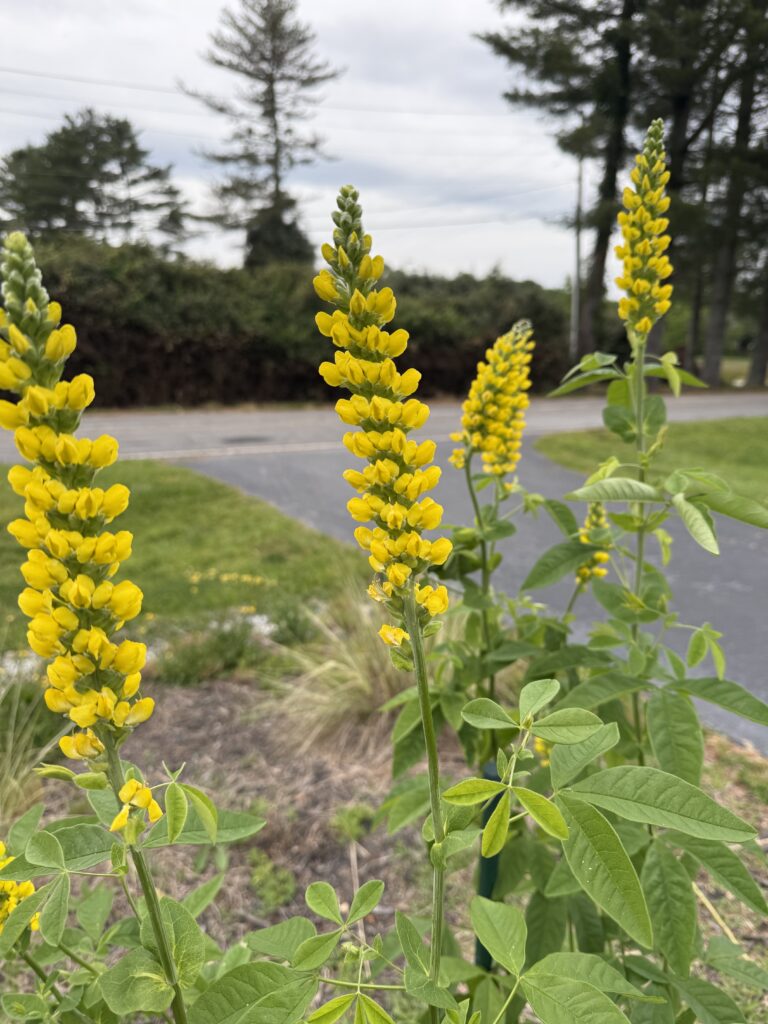
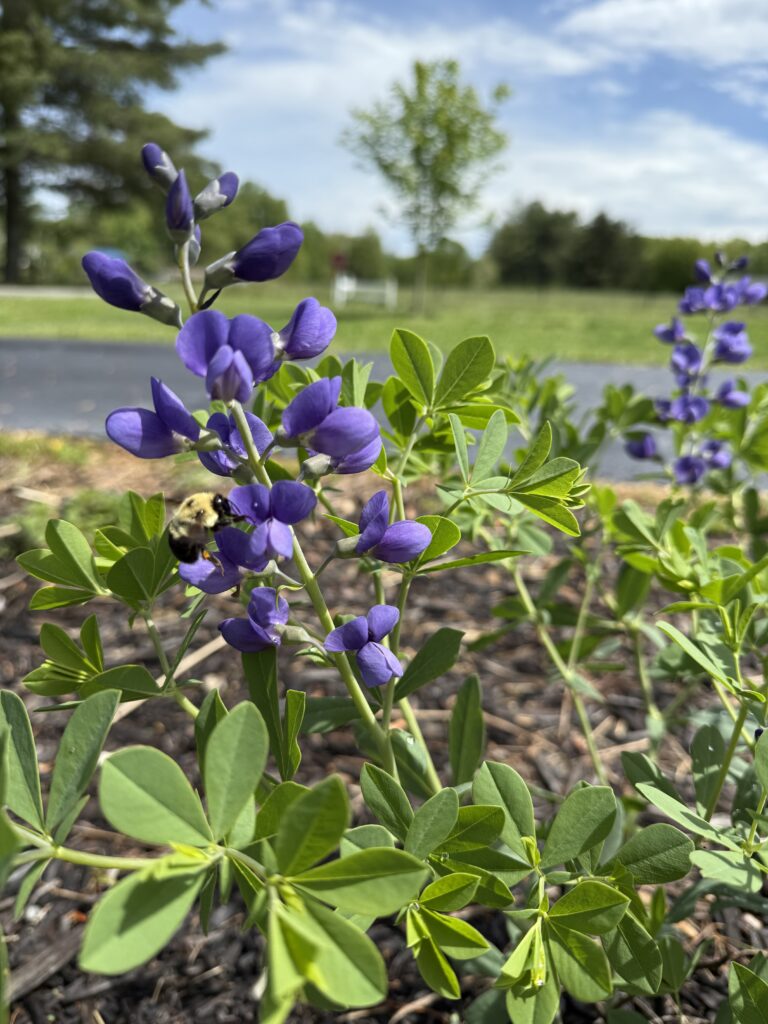
Tall Blue Wild Indigo (Baptisia australis).

Text and photos by Chelsea O’Mara reporting for Native Plant News Spring 2026

Highlighting the North Carolina Native Plant Society’s (NCNPS) most important projects from the past 75 years is challenging. That’s mostly because members, supporters, and the community will all likely have a different view. To some it may be education or advocacy. Others may feel the most vital work lies in the places NCNPS has helped conserve. What if the answer is that the broader, day-to-day operations move the mission forward?

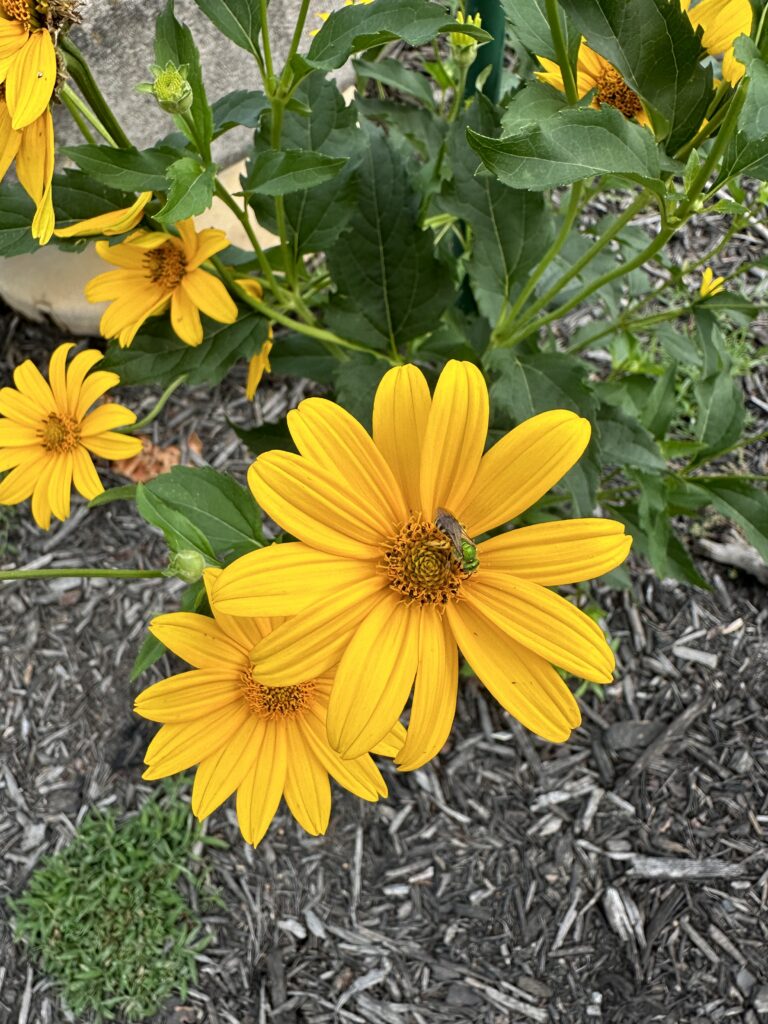
Eastern Sunflower-everlasting (Heliopsis helianthoides).

As a new member, I found NCNPS after a Google search brought me to their native plant nursery list. I then bounced around the site and realized the wealth of knowledge contained on this little corner of the internet – native plant lists, a plant gallery and plant ID database, and so much more. That same week I became a member. Soon after I attended my first Chapter meeting at the Marshall Native Gardens, a beautiful community space made possible by a small group of dedicated volunteers. The passion of the people I met inspired me to act on my longstanding wish to begin transforming our half-acre yard into one that would support and sustain wildlife through native plants.

We connect people, plants, and land. But in addition to the usual native plant goings-on, we are amped for our annual meeting and fabulous plant sale in April, and the 75th anniversary special newsletter this coming fall.  And, of course, the 75th anniversary celebration itself.

About that 75th anniversary, here’s another take from a dedicated NCNPS member.

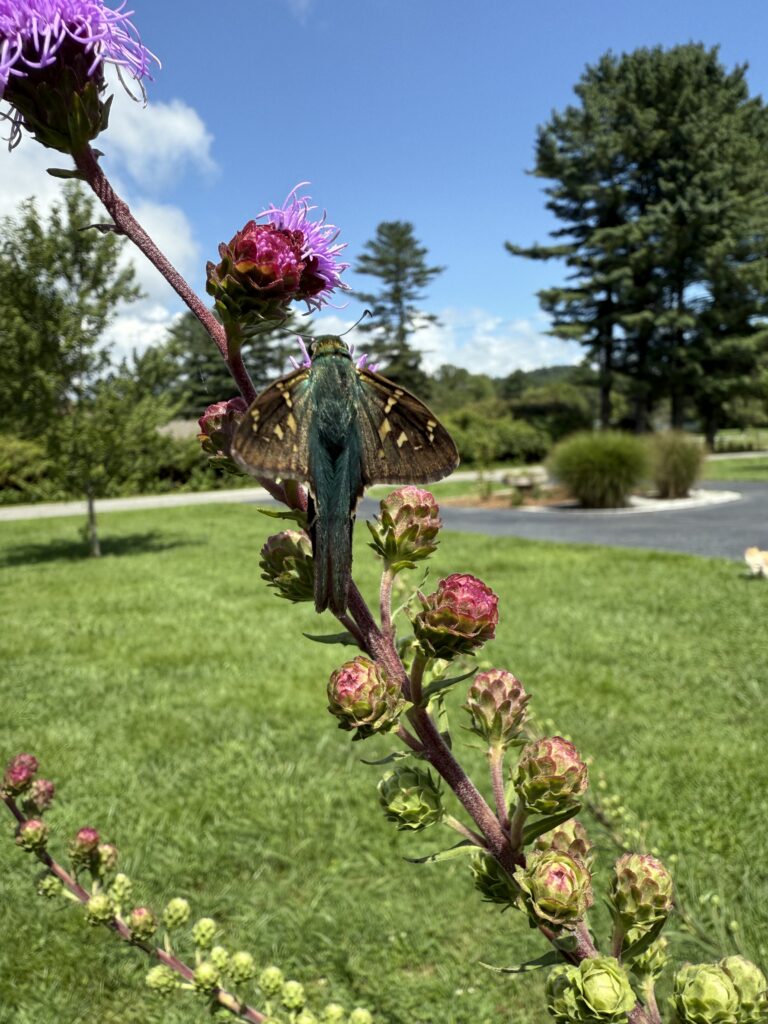
Florist’s Gayfeather (Liatris spicata) and Long-tailed Skipper (Urbanus proteus).

It’s clear that I’m not the only one who sees the value in the organization’s simple mission. The quarterly newsletter features transformations large and small from members across the state. Some folks went all in, starting their native plant garden from seed when native plants were more difficult to find at local nurseries. Similar to my journey, some took on projects at their homes to rid the land of invasives and restore it through native plants. Others vowed to learn from the land and a shifting climate by creating rain gardens and engaging in land stewardship.

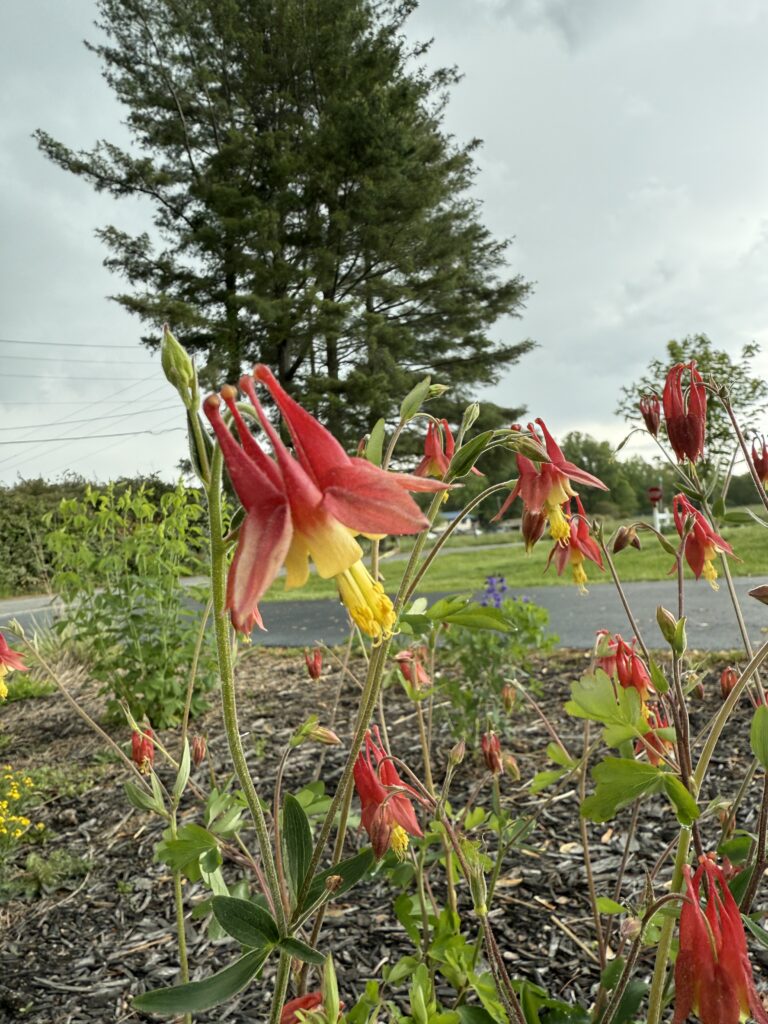
Canada Columbine (Aquilegia canadensis).

Beyond the work of individuals, there are countless examples of projects supported through NCNPS funding. It’s no secret that plans for even a small garden can be cost prohibitive. The BW Wells Stewardship Fund provides annual grants to help communities realize and restore native plant habitats. Throughout the years, the fund supported projects ranging from a 3,150 square-foot pollinator garden along the White Oak Creek Greenway in Cary to the creation of a shade garden at the Highlands Botanical Garden. Additionally, NCNPS supports students conducting basic or applied research in botanical or horticultural areas through the Shinn Scholarship Fund. By encouraging students to pursue their zeal for native plants we are helping shape a brighter future.

Aaron’s-rod (Thermopsis villosa).

We can’t talk about impact without touching on the ways that NCNPS introduces people to beautiful places that are home to vital native habitats. Many of these spaces are preserved and maintained through partnerships with like-minded organizations focused on conservation efforts. It would be impossible to call them all out, but we would be remiss to not highlight some, including the Margaret Reid Wildflower Garden, the Catawba Wildflower Glen, and the sites protected with the help of the Alice Zawadzki Land Conservation Fund.

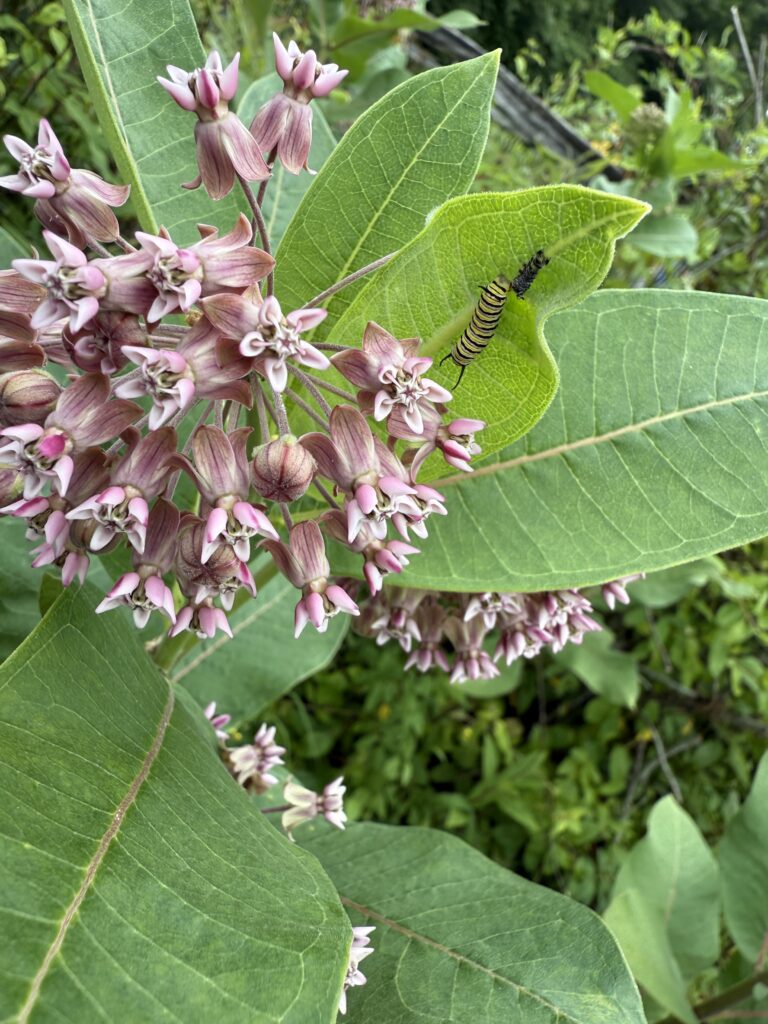
Common Milkweed (Asclepias syriaca) with Monarch (Danaus plexippus) caterpillars at Marshall Native Gardens.

When I reflect on the stories I read to prepare this article, I noticed two key themes tying them together: community and partnership. People coming together with a common interest is exactly how we’ve accomplished so much – not just over the past decade, but in the past 75 years. Passionate people will also continue to propel the organization through the next 75 years and beyond. Their enthusiasm and eagerness to share with others, regardless of experience, are the driving forces that will create lasting positive change for the diverse species that call this planet home.

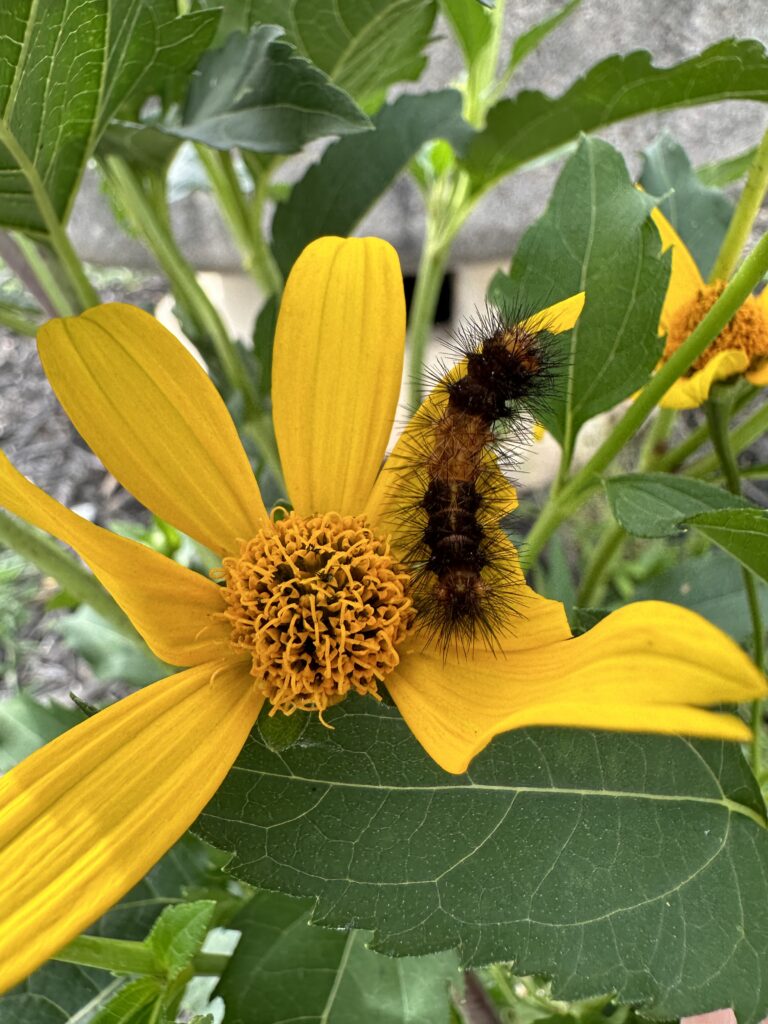
Eastern Sunflower-everlasting (Heliopsis helianthoides) with a Giant Leopard Moth (Hypercompe scribonia) caterpillar.

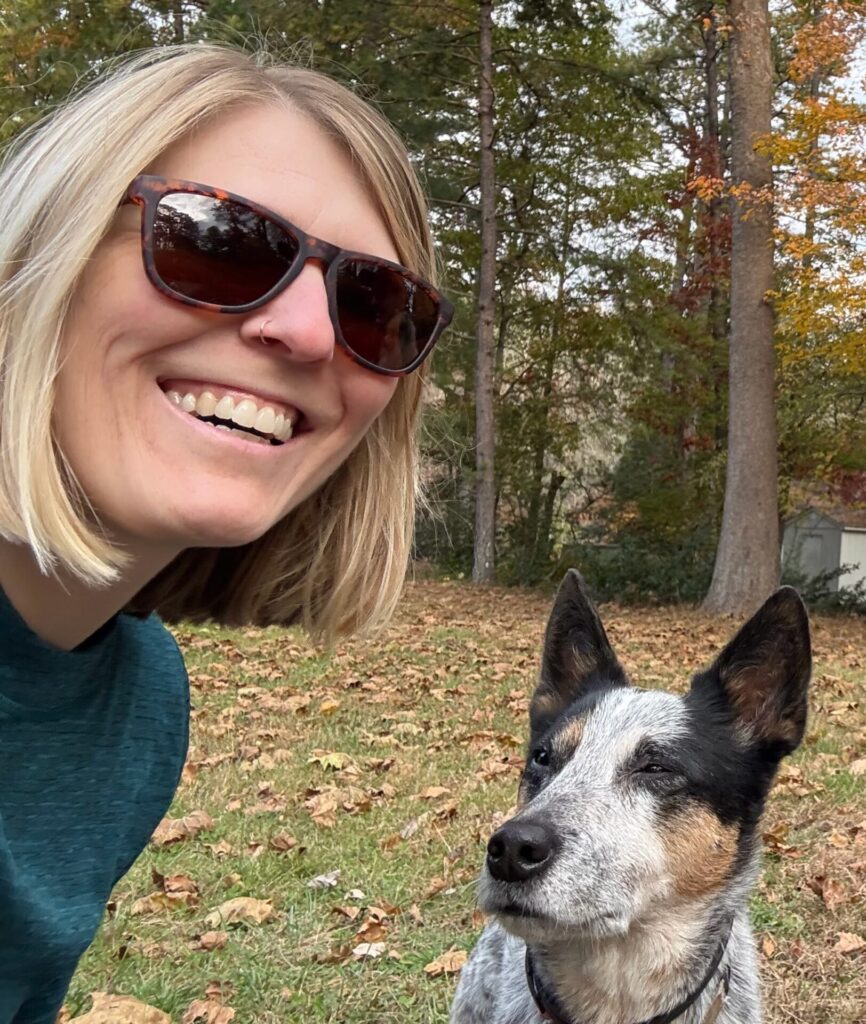
Chelsea O’Mara lives in Etowah, NC with her husband and two dogs, a cattle dog, and a pomeranian. They moved to NC a little over two years ago after falling in love on a winter trip to the area. When not working her full-time communications job, she loves hiking with their dogs and learning about the local flora and fauna. She is currently working toward her Blue Ridge Eco Gardener Certificate and applying everything she learns on her own property.