
Our community comes together to do more with native plants, with the side effects of fun and satisfying work.
Setting Down Roots Table of Contents
Video: Setting Down Roots
Video: Daniel, Cindy, and Hope: watching all the butterflies gave me a good vibe.
Conservation Through Propagation
Video: Julie, Bernyce, and Carrie: native plants make us happy
Ken Bridle Interviewed. Many Insights and Much History.
Video: Malinda, Aracely, and Amy: Learn and grow in each of the local chapters
Seventy-five Years of Native Plant Advocacy and Stewardship
Exit to Native Plant News 75th Anniversary Edition
Daniel, Cindy, and Hope: watching all the butterflies gave me a good vibe.
Conservation Through Propagation
By Ken Moore for Native Plant News 75th Anniversary Edition
The NC Native Plant Society, formerly known as the North Carolina Wild Flower Preservation Society, is celebrating seventy-five years of native plant conservation in 2026. NCNPS is one of the oldest continuing active native plant societies in the country.
Conservation actions have included educating the general public with publications, field trips, and regular meetings of the Society emphasizing the importance of native plants and plant community habitats. A major contribution was the publication in 1976 of the North Carolina Native Plant Propagation Handbook. This was the first such publication in the South and one of the very few in the nation.
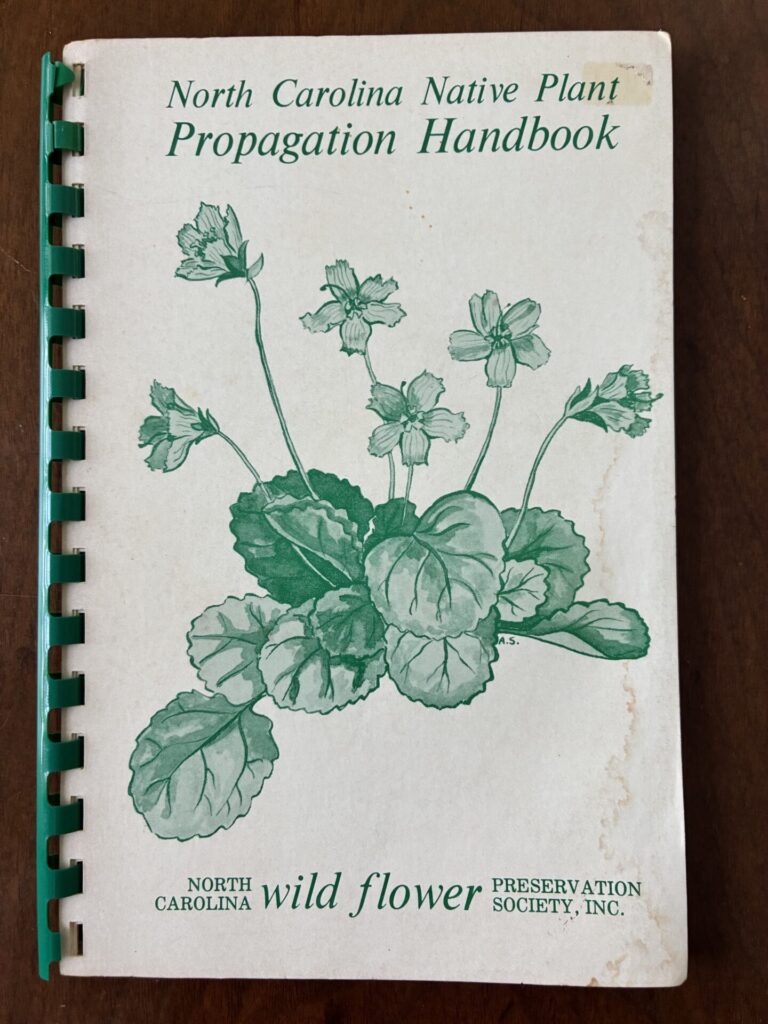
The information in the handbook was based on the results of propagation experimentation by founding and early members of the Society. Notable among this group were Herbert Smith, Gordon Butler, Lionel Melvin, and Tom and Bruce Shinn. These individuals kept detailed records of successes and failures. The Propagation Handbook is a “cook book” guide for propagating over 100 different species of native trees, shrubs, wildflowers and ferns.
A second edition in 2001 continued “to promote the preservation and cultivation of native species through propagation,” not removing and collecting, a goal that was noted by Ken Bridle, then president of the Society in 2001.
NCNPS can be proud of educating a vast gardening public to be vigilant about the sources of the native plants they procure. Happily, there are now dozens of native plant nurseries providing eager gardeners with propagated plants. The former “collecting from the wild” is no longer condoned.
As we celebrate our achievements, let us be aware that we must continue these same efforts for new generations of gardeners. Conservation Through Propagation is our mantra to repeat over and over!
NCNPS can also be proud that it was the first active conservation organization in the state. The Society and individual members have lobbied continuously for protection status for numerous natural areas.
To fully appreciate the early keen interest in preserving native plants through propagation, read the 25th Anniversary Issue (Spring 1976) and the 50th Anniversary Issue (Summer/Winter 2001) of the Society’s newsletter easily accessed on NCNPS website.
Ken Moore is retired from the North Carolina Botanical Garden, part of the University of North Carolina at Chapel Hill; past director, Cullowhee Native Plant Conference, and past president, North Carolina Wildflower Preservation Society.
Julie, Bernyce, and Carrie: native plants make us happy.
Ken Bridle Interviewed. Many Insights and Much History.
By Adam Webb for Native Plant News 75th Anniversary Edition
Ken was first introduced to the North Carolina Wild Flower Preservation Society by Emily Allen, whom he had met at a plant taxonomy class in graduate school. She introduced him to many of her friends in the Society and he began attending their outings in1980.
“By the time of our marriage [Ken and Luann] in1983, we used some of our wedding money to buy lifetime memberships.” He recalled, “We attended almost all the spring and fall outings during the 1990s and also many of the Cullowhee conferences during that period.”
When he first started attending NCWFPS events in the mid-1980s, Ken reminisced,
[The] focus was on regular spring and fall outings rotating across the state and an occasional summer picnic. At the time, there were still many older members who came to the outings, and so we had to plan regular nature hikes and some car tours of the area for those with mobility issues. We would all meet for a group dinner, speaker, and plant swap. This was an opportunity to spend a weekend with some of the members who had been around during that first 50 years.
The Society also published a print newsletter and a native plant science journal. One of my projects was to produce a second edition of the early native plant propagation manual started by Julie Moore. This gave me an opportunity to understand the skills and dedication of many early members who wanted to promote native plants well before most were common in the nursery trade.
Ken has served six terms, three as president of the NC Native Plant Society, his first during the Society’s 50th Anniversary. “My first term, . . . we had no chapters and only about 500 members.” When Ken and I talked about the growth of our Society, he recalled
Between my first and second board experiences, the organization has grown four-fold to around 2000 members, is now represented by 12 regional chapters, and has changed its name [in 2005 under Alice Zawadzki, president]. Activities and events are now at the local level supported by a statewide board. Board and committee meetings are routinely held digitally, which cuts down on a lot of driving, but can’t replace the sense of camaraderie of meeting in person.
With the growth of the Society, Ken believes it would be great to see more chapters hosting special weekend events, which would allow more members to see parts of the state they are unfamiliar with.
When asked about the future of the Society, Ken said, “I think there is an increased interest in native plants, so that will continue as we get more chapters and members. I believe that our new Advocacy Committee can follow up with this public interest and make some more lasting impacts working with elected officials of all levels.”
Going forward, Ken would like to see the Society be the go-to place for native plant expertise, for public education, and for outreach. Continuing on for another 75 years.
Adam Webb is the current chair of the Triad Chapter and has been a member of the NCNPS since 2016. He has been a certified Northwest Piedmont Master Naturalist since 2024.
Malinda, Aracely, and Amy: Learn and grow in each of the local chapters.
Seventy-five Years of Native Plant Advocacy and Stewardship
By Nancy Anderson for Native Plant News 75th Anniversary Edition, condensed from Native Plant News Winter 2025, “From Advocacy to Stewardship.”
Founded in 1951 as the North Carolina Wild Flower Preservation Society, the North Carolina Native Plant Society for 75 years has inspired the conservation and appreciation of North Carolina’s native plants and habitats. While the Society began with direct advocacy and hands-on conservation, it has evolved into a leader in native plant stewardship.
A tradition rooted in discovery. Our understanding of North Carolina’s native plants–and the science that guides their conservation today–builds on the work of pioneering botanists John and William Bartram, André Michaux, and B.W. Wells, whose writings and explorations revealed the state’s remarkable botanical diversity.
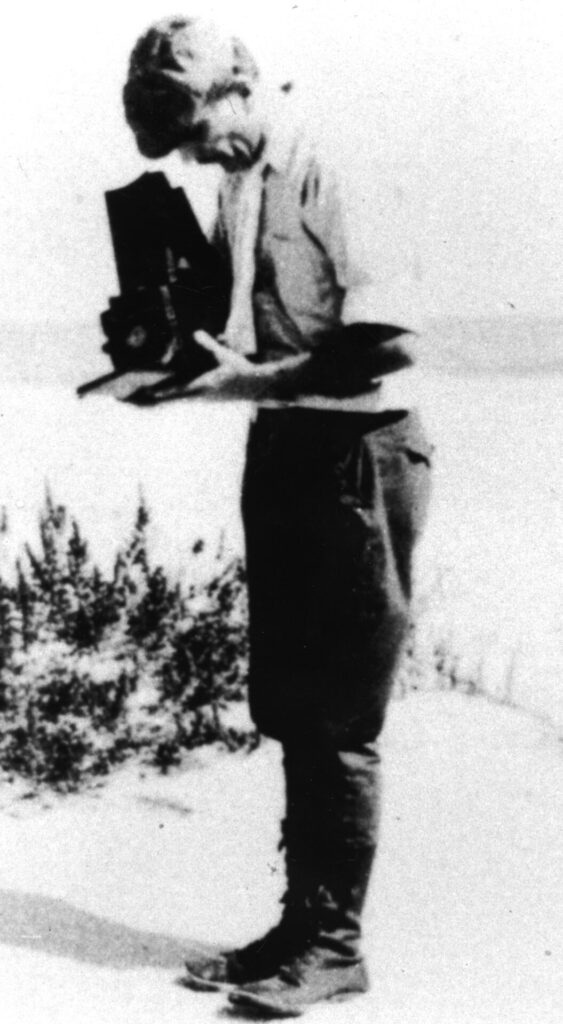
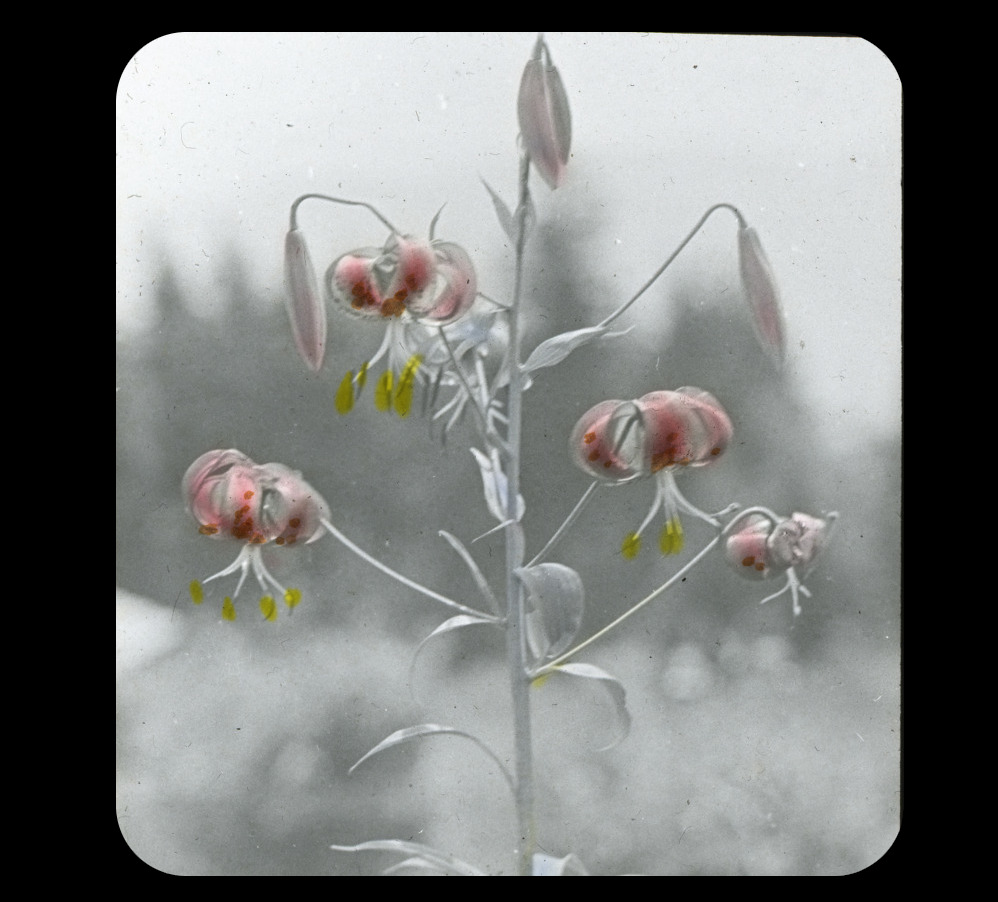
By the early 1900s, garden clubs and wildflower organizations were promoting native plants through education and roadside beautification, laying the foundation for the Society’s creation in 1951. A campaign in 1952 focused on North Carolina lilies and conservation of their “dwindling supply” as a documented expression of concern over species decline.
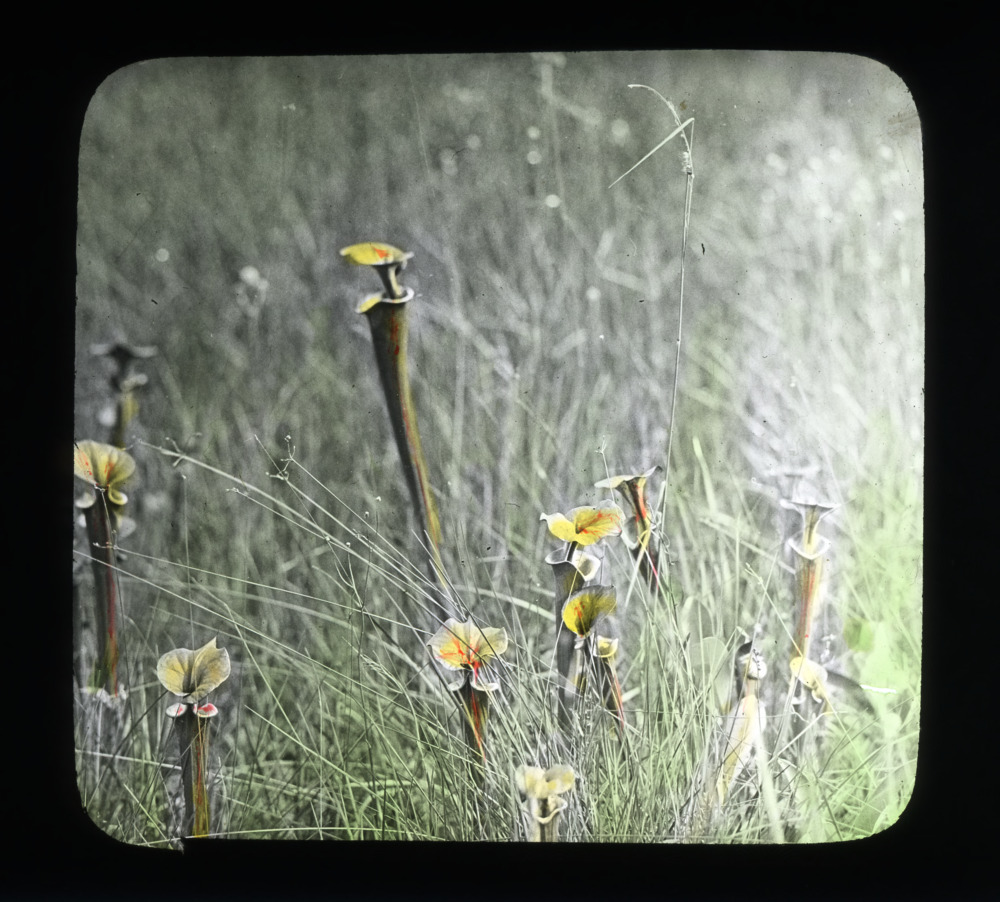
Advocacy through action. From its earliest years, NCNPS transformed awareness into active conservation. Members:
- Promoted native roadside plantings
- Supported the Highway Beautification Act
- Opposed an environmentally damaging highway through the Great Smoky Mountains
- Rescued native plants threatened by development
- Encouraged nursery propagation instead of collecting plants from the wild
In recent decades, the Society has also educated the public about invasive species while promoting native alternatives.
Building strong partnerships. Collaboration has been central to the Society’s success. NCNPS has worked with state agencies, land trusts, garden organizations, and conservation partners to protect rare plants, restore habitats, improve roadside landscapes, acquire sensitive lands, and develop science-based invasive plant guidance. These partnerships have expanded the Society’s impact across North Carolina.
Celebrating conservation success. The Society also advances advocacy by recognizing achievement. B.W. Wells Grants support student research, while discoveries by members, educational publications, field trips, and partnerships with organizations such as the NC Botanical Garden and the Garden Club of America inspire continued conservation and stewardship.
Looking ahead. What began as preserving native plants has evolved into a commitment to stewarding the habitats where they thrive. This legacy is reflected in the Society’s 2026–2031 Strategic Plan, where Guiding Principle 3 affirms our commitment to championing the conservation and stewardship of native plants and their habitats.
Nancy Anderson is a founding member and co-chair of the Oconee Bell Chapter; a certified Transylvania County Master Gardener, and Purdue University Professor Emerita of Biology.