
Text and photos by Crystal Cockman reporting for Native Plant News Spring 2026
Although I have never claimed to be a botanist and I have no formal training as such, I’ve spent a lot of time in the woods with people who are expert botanists and thankfully, have been generously willing to share their knowledge with me. I’ve been on the board of the Friends of Plant Conservation (FoPC) for a number of years, and now am the vice president. I worked with Three Rivers Land Trust for 18 years, and visited a lot of properties and learned a lot of plant identification from people with the NC Natural Heritage Program, the NC Plant Conservation Program (PCP), the Uwharrie National Forest, and independent botanists. Most of my adventures have been in the Uwharrie Region, but I’ve also spent time chasing rare plants all across the state.
See slideshow at the end of this article.
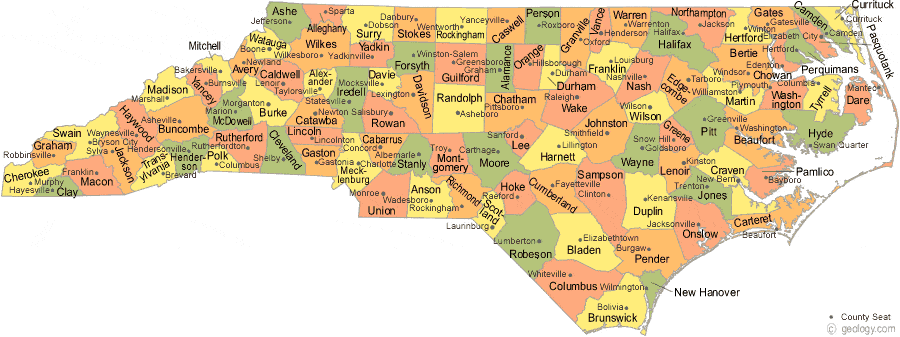
My involvement with the NC FoPC and the NC Plant Conservation Program has given me an opportunity to visit some unique and rare plants that occur on Plant Conservation Preserves. Most notably, I’ve been half a dozen times to see Oconee Bells (Shortia galacifolia) in bloom in the Foothills of North Carolina. I’ve also traveled twice to see Swamp Pink (Helonias bullata) in bloom, and seen Bunched Arrowhead (Sagittaria fasciculata) in bloom in the same locations, the Hendersonville area. And once to see a property that boasts a healthy population of Gray’s Lily (Lilium grayi), also in bloom, near the higher elevation of Boone.
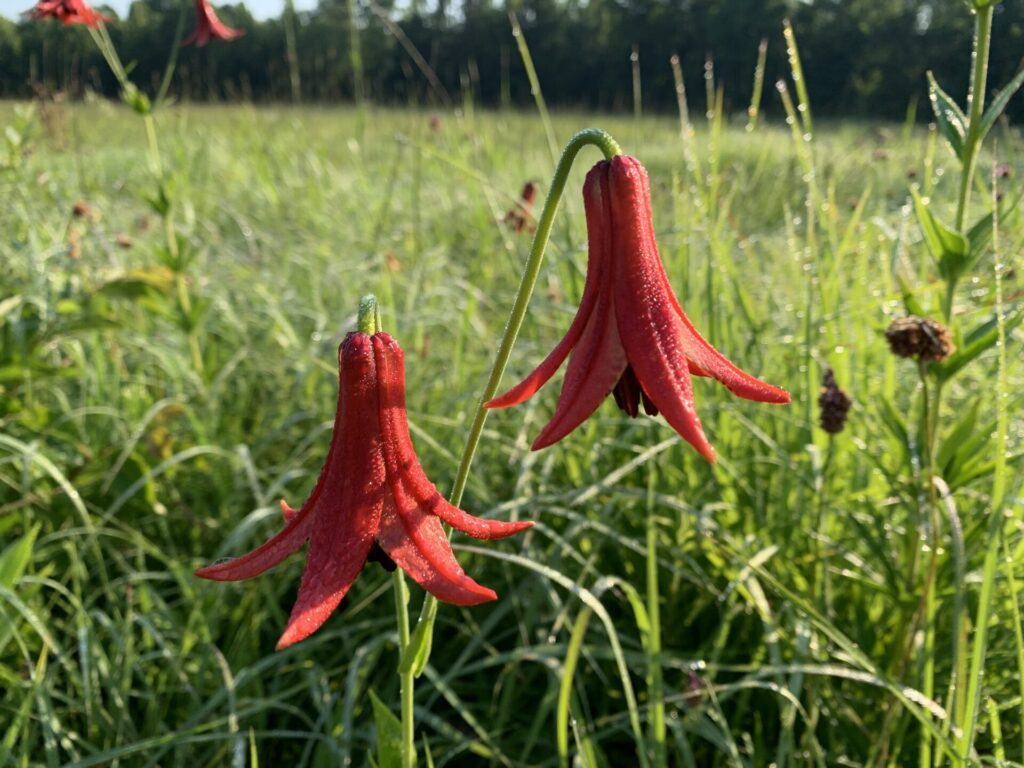
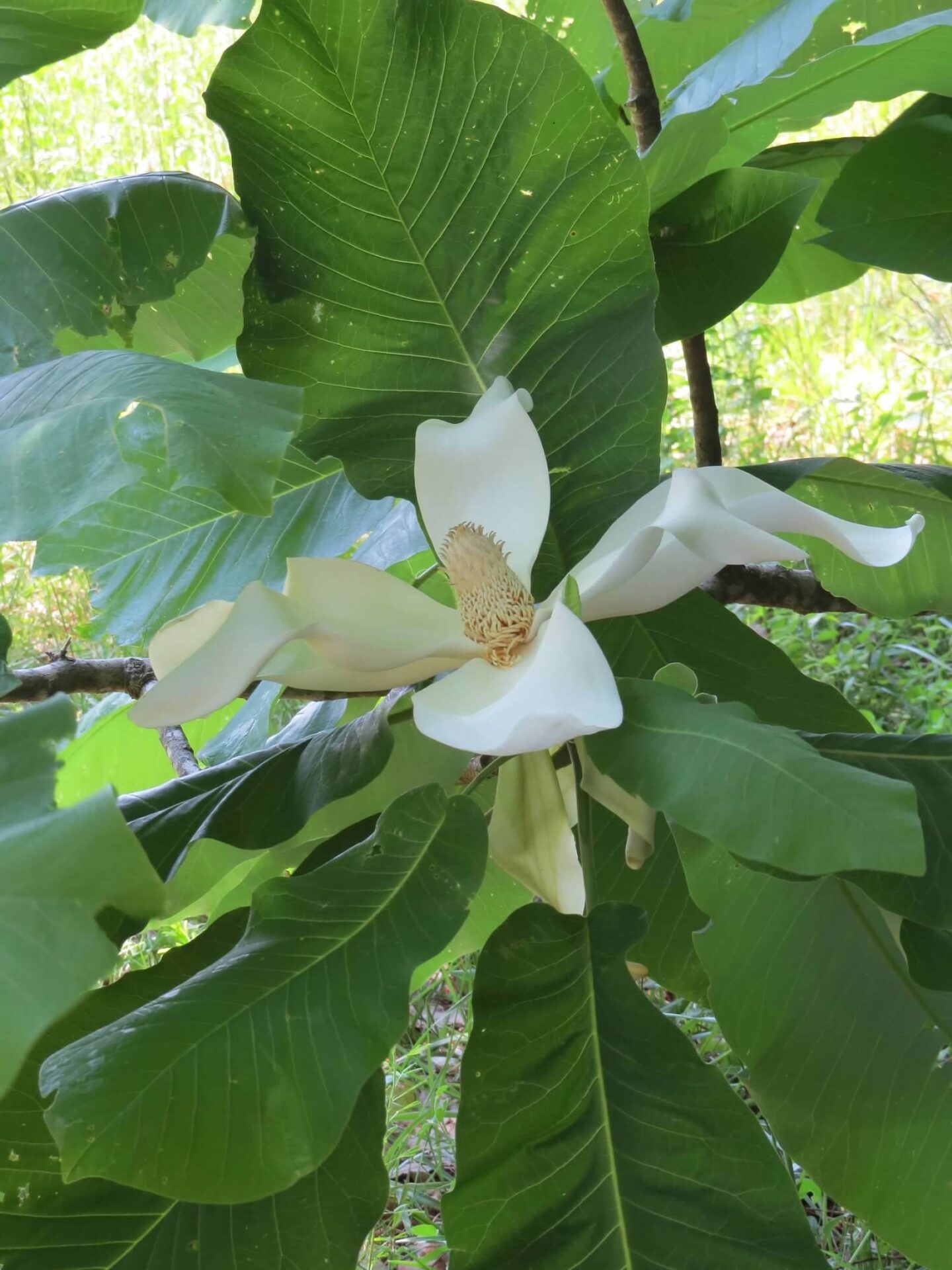
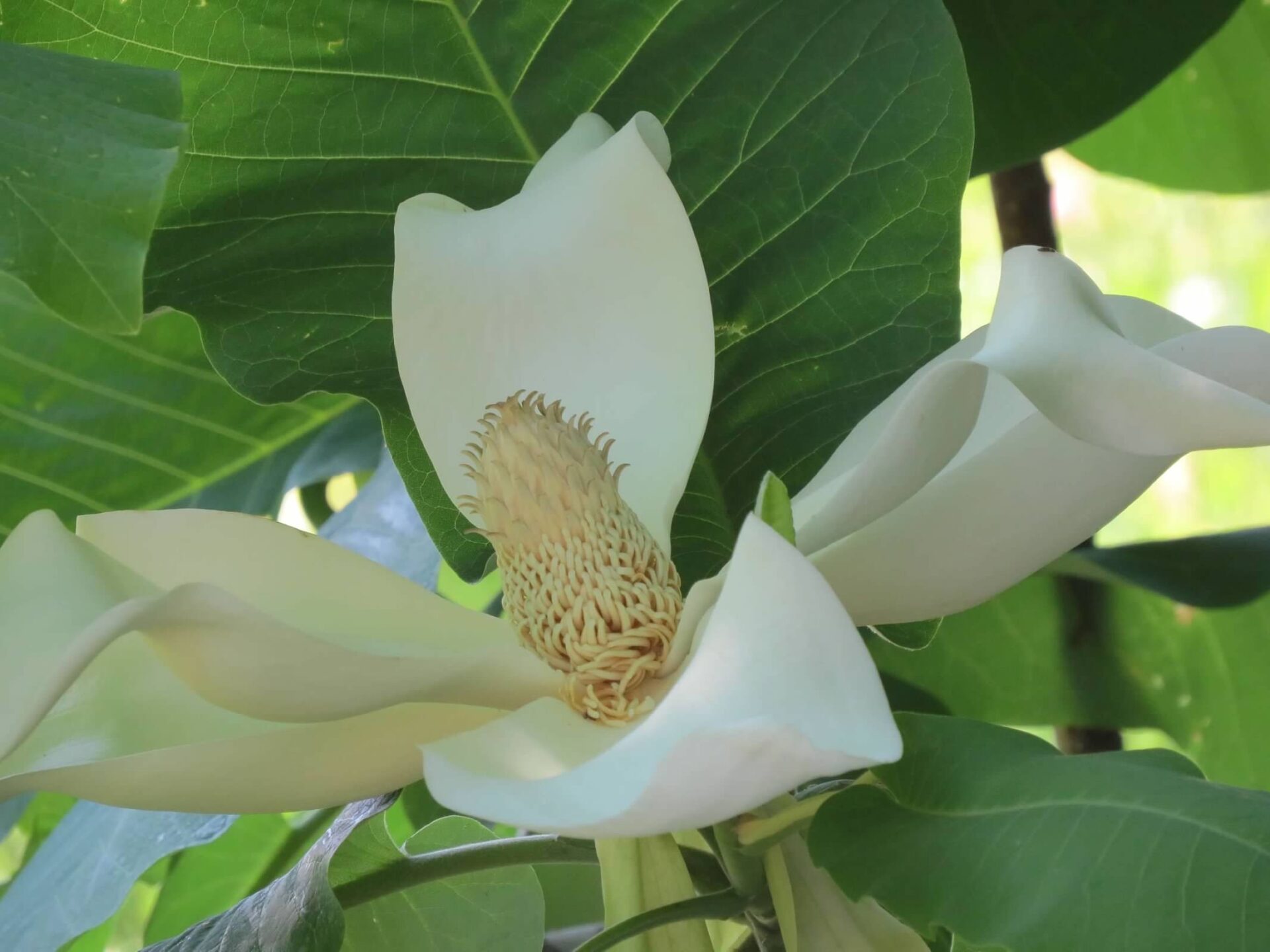
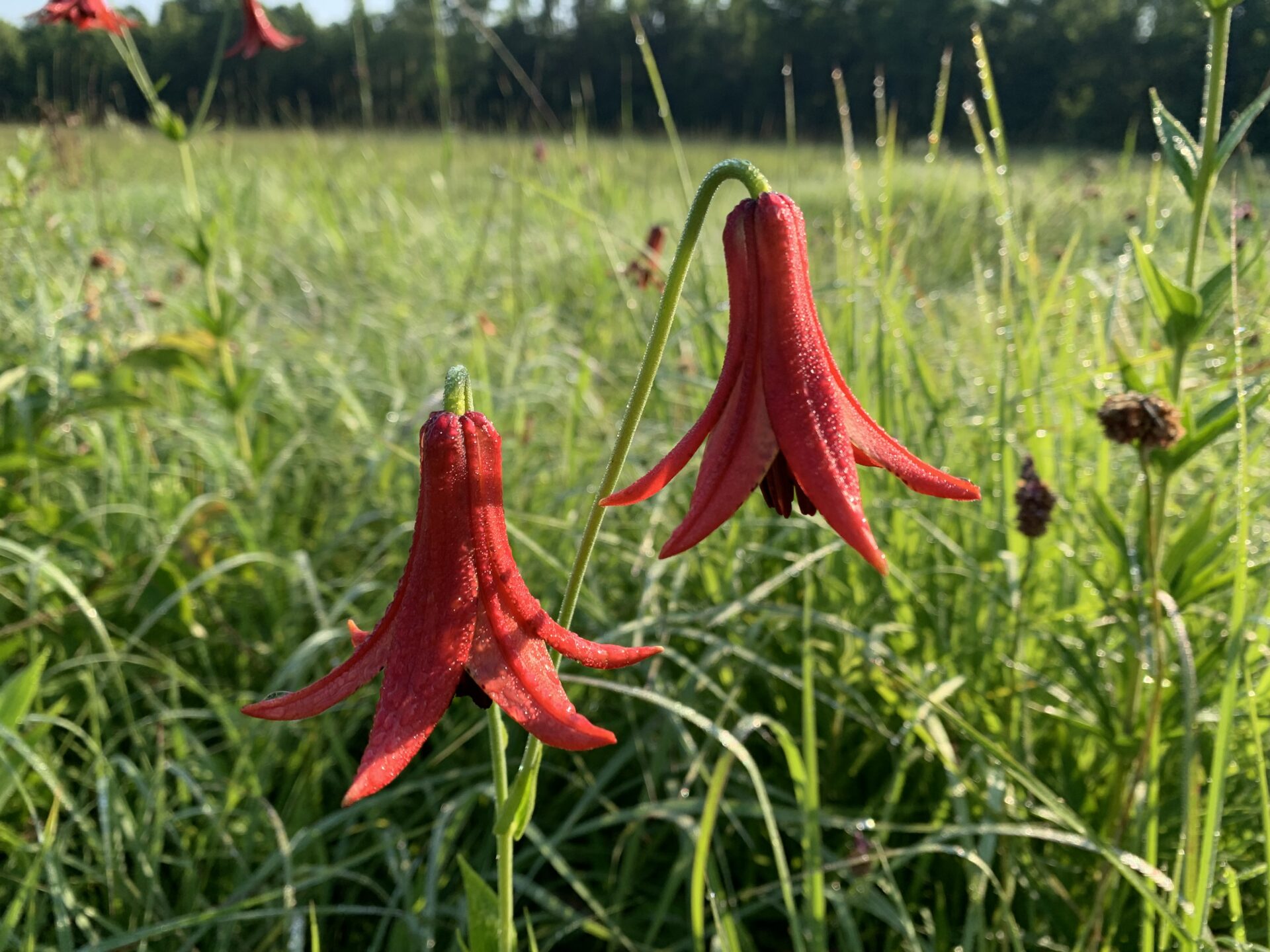
More than half a dozen times, I’ve seen the Sandhills Bog Lily (Lilium pyrophilum) in bloom in Moore County. I’ve seen the Bigleaf Magnolia (Magnolia macrophylla) in bloom farther west in Redlair in Gaston County. Only one time I’ve been to Suther Prairie to see the Canada Lily (Lilium canadense) in bloom, early in the morning when the dew was still on the flowers. I’ve also seen Smooth Purple Coneflower (Echinacea laevigata) in several sites in the Durham and Butner area, as well as Eastern Prairie Blue Wild Indigo (Baptisia aberrans) at Penny’s Bend in Durham and at the one location where it occurs in the Uwharries, as well.
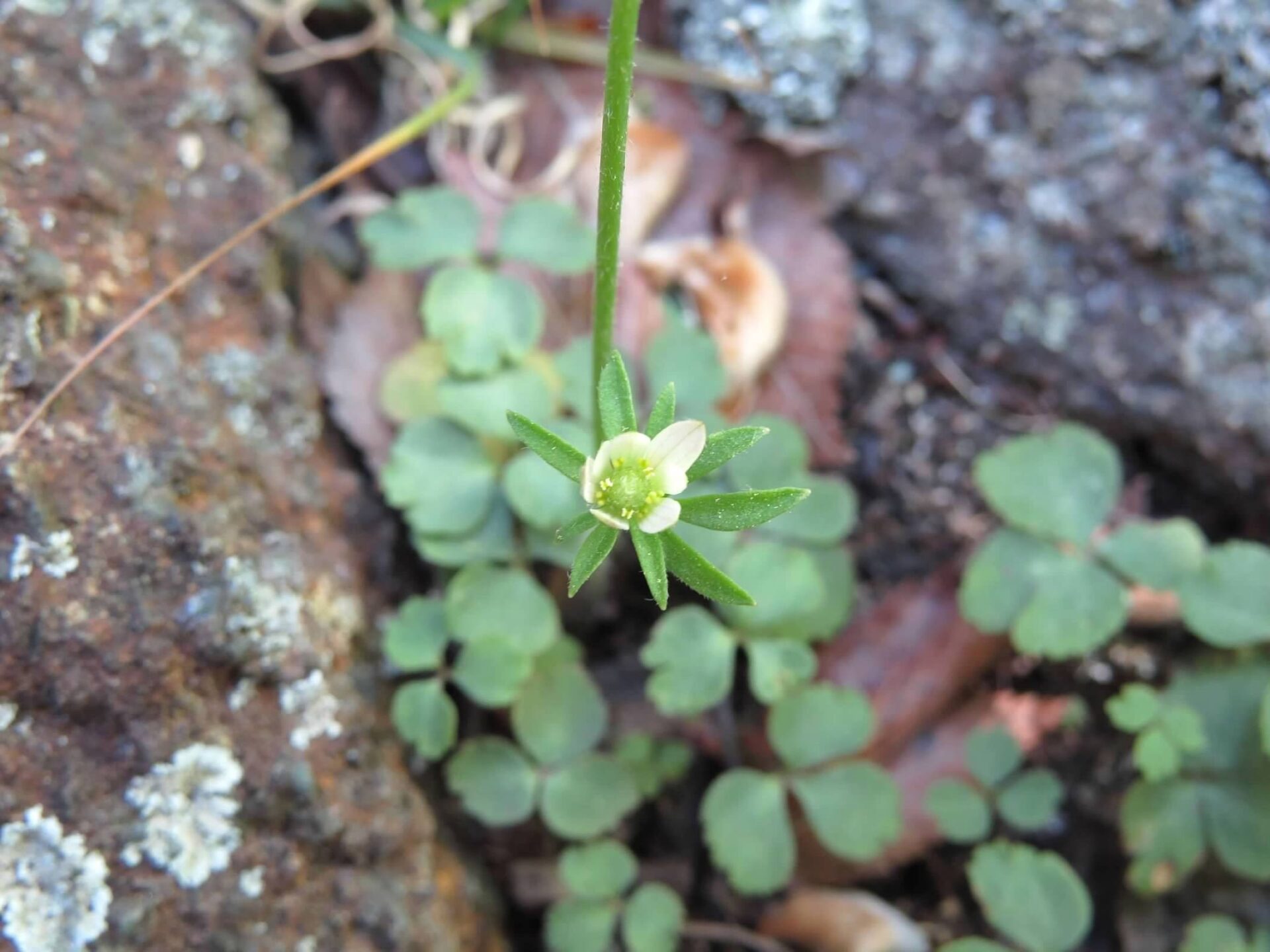
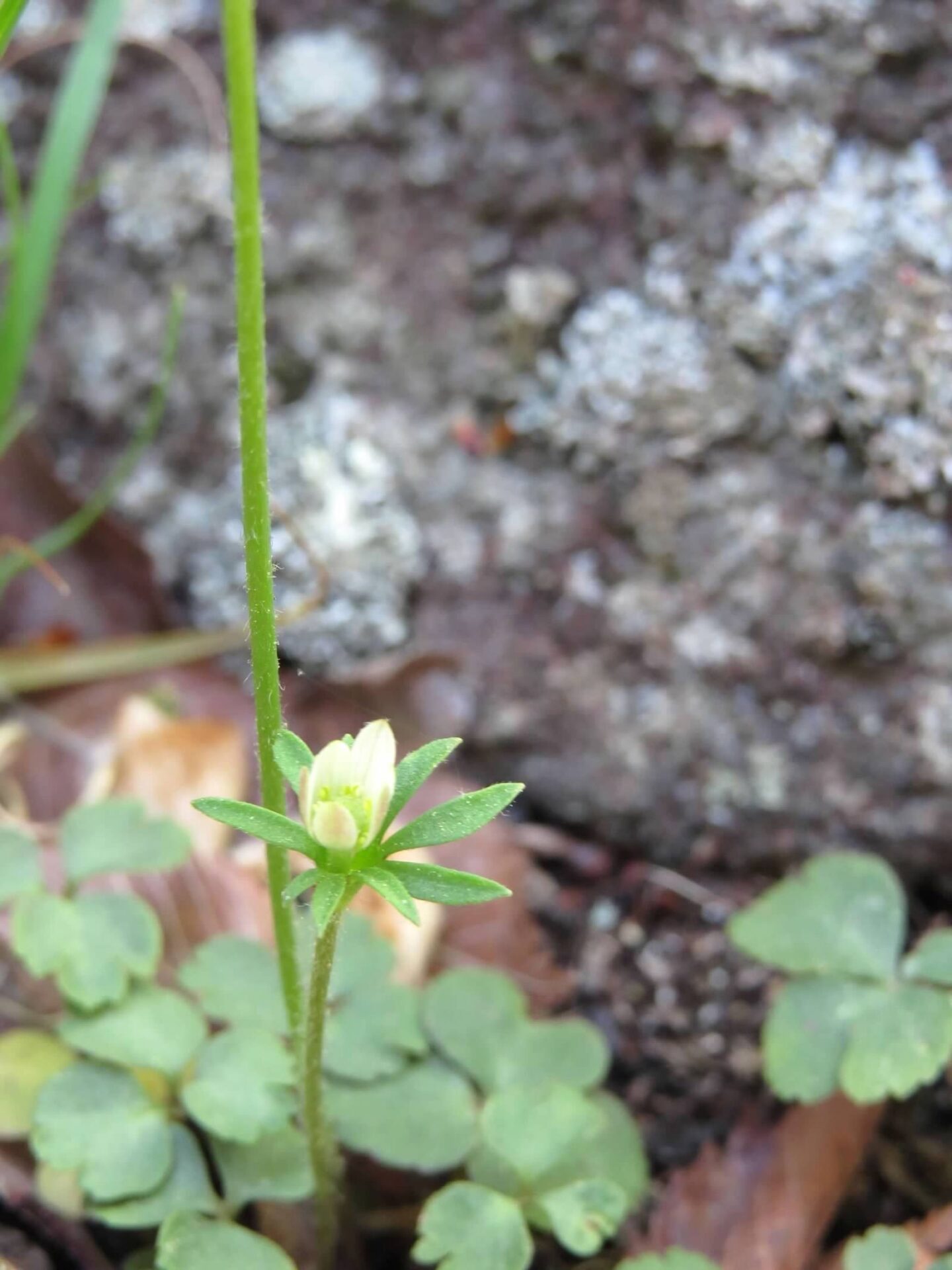
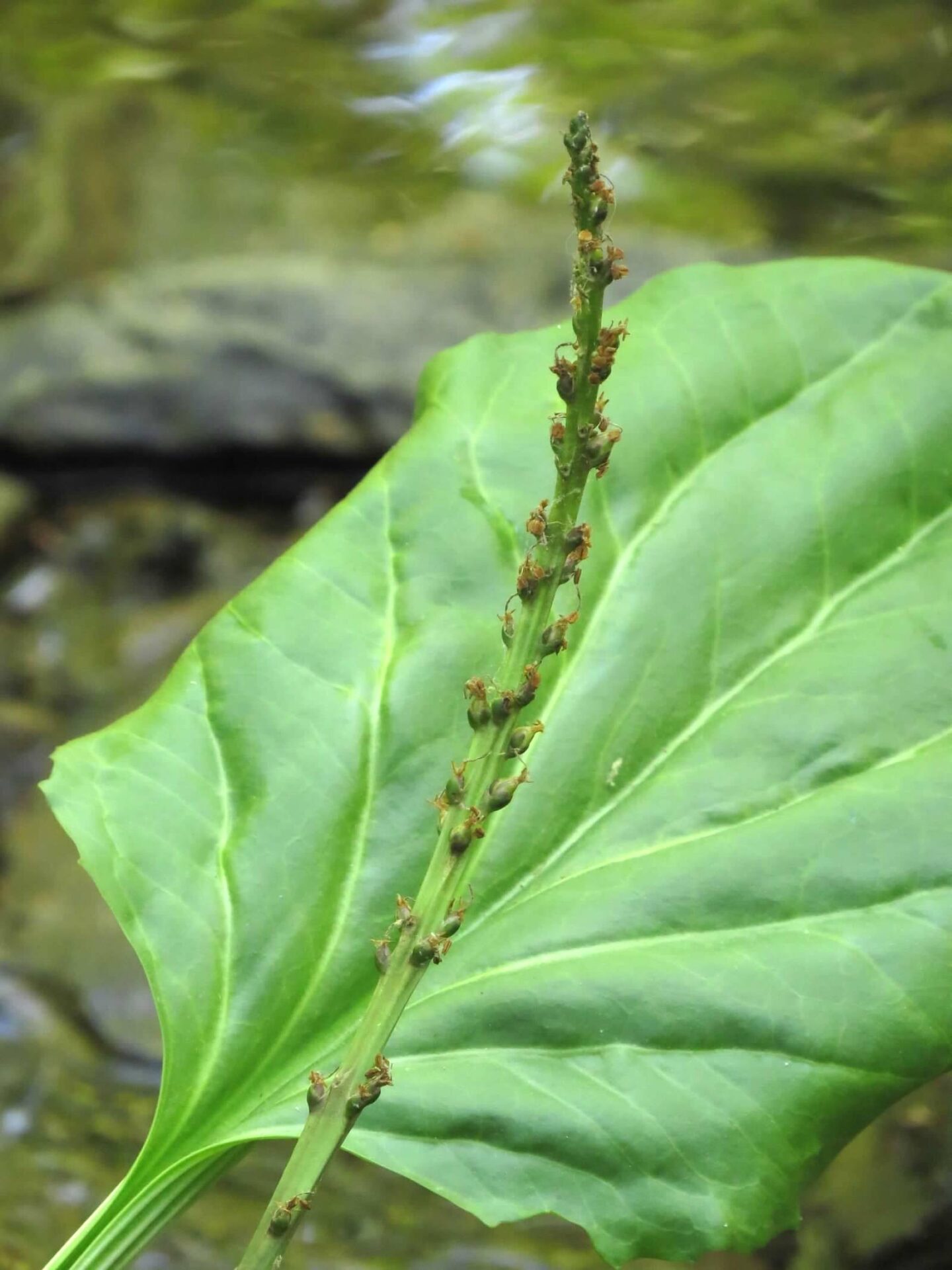
Being from the Uwharrie area, I’ve had the opportunity to see Schweinitz’s Sunflower (Helianthus schweinitzii) in bloom many times and even found a population of them on King Mountain. I also found Crested Coralroot on (Hexalectris spicata) King Mountain and on Little Long Mountain. I’ve seen Eastern Prairie Anemone (Anemone berlandieri) in the unique rock outcrops found on Ridges Mountain. And Mountain Camellia (Stewartia ovata) along the Uwharrie Trail near Jumping Off Rock. There are several populations of Georgia Aster (Symphyotrichum georgianum) also found in the Uwharries, that I’ve been fortunate to see as well, including one very near another rare plant found in slate-bottomed streams in Davidson County, Heartleaf Plantain (Plantago cordata). I’ve visited the area known as the Narrows or Falls Reservoir, between Badin Lake and Lake Tillery on the Yadkin River, which is the only place in the world with Yadkin River Goldenrod (Solidago plumosa), and I’ve seen it in bloom and taken others to see and photograph it many times.
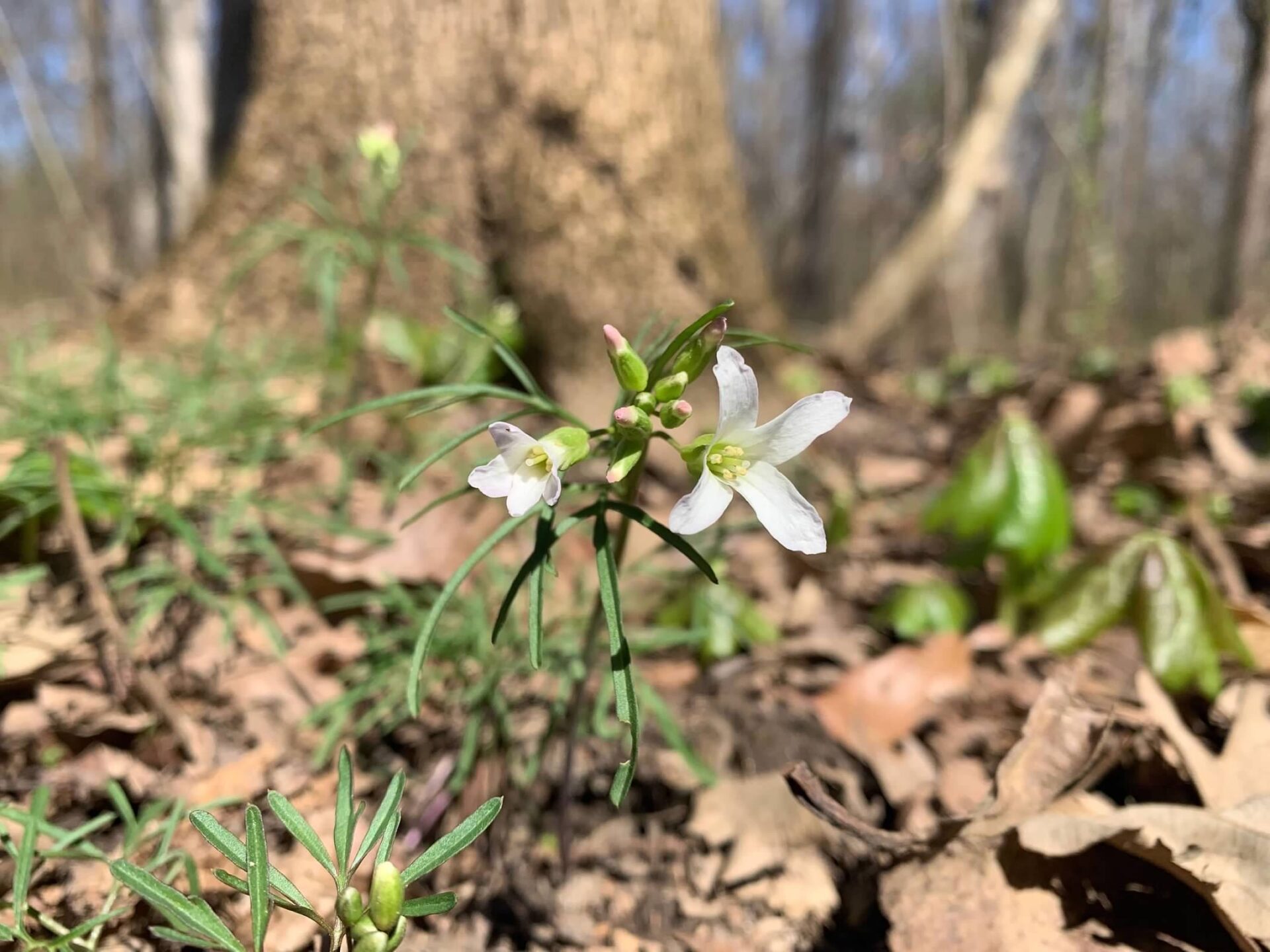
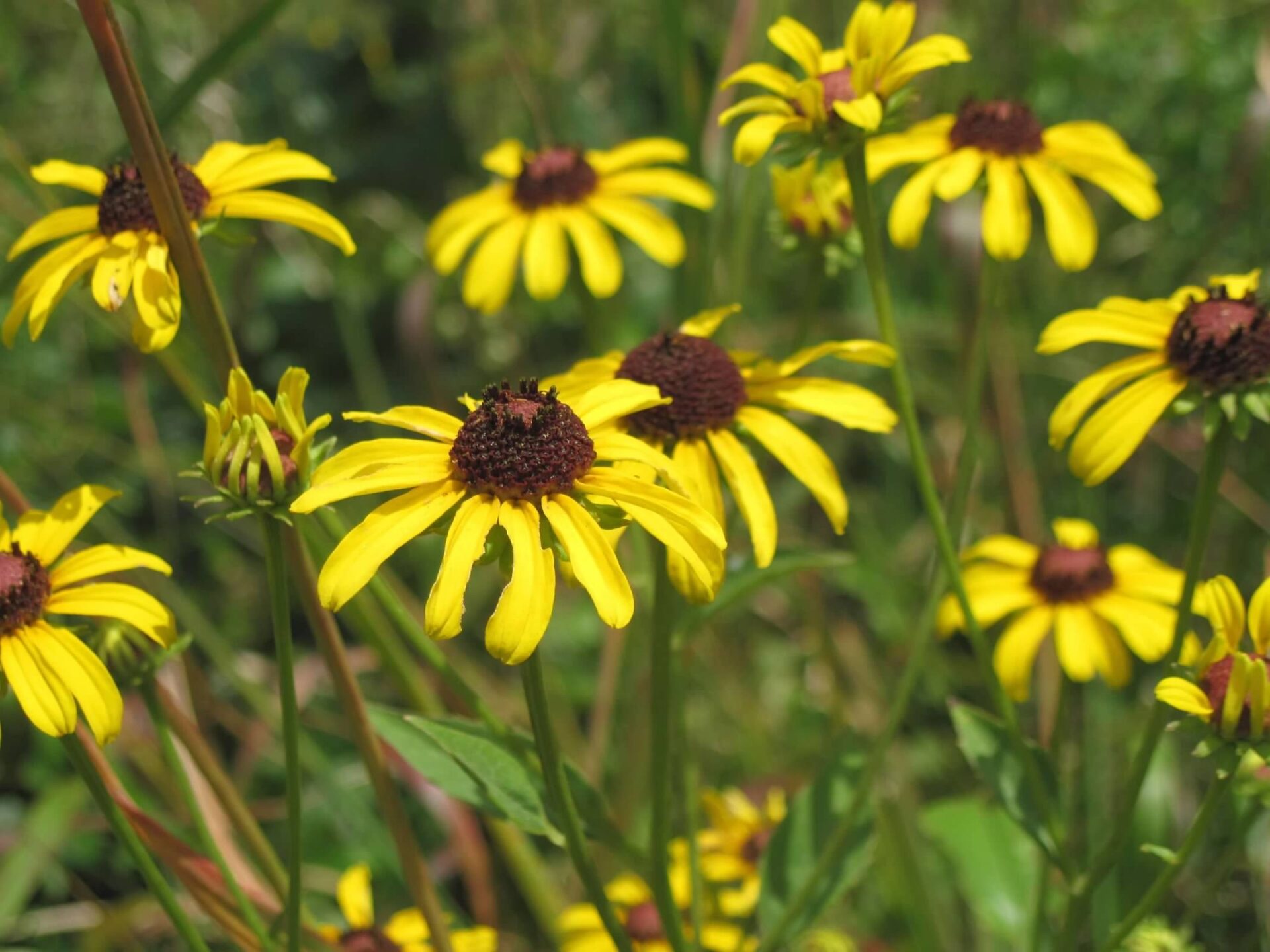
Some other rare plants in the Uwharries I’ve been able to see include Carolina Thistle (Cirsium carolinianum) in the Badin Recreational area of the Uwharrie National Forest; Bog Spicebush (Lindera subcoriacea) in several locations on U.S. Forest Service land and private land; Virginia Spiderwort (Tradescantia virginiana) near the Uwharrie River in Randolph County and I found a population of it on the Rocky River in Stanly County; Dissected Toothwort (Cardamine dissecta) along Grants Creek in Rowan County; and the only known population of Sunfacing Coneflower (Rudbeckia heliopsidis) left in North Carolina, near the small town of Star in Montgomery County.
My favorite ‘chasing a rare plant’ story
But probably my favorite story of chasing a rare plant was my trip to the PCP Preserve known as Paddy Mountain in Ashe County, to see Heller’s Blazing-star (Liatris helleri). The climb up Paddy Mountain is off-trail, steep, and covered in loose rock. We made it to the top and the location of the plants. We had about 30 minutes to count them, as we could see a thunderstorm rolling in. It got as dark as nighttime and began to rain. We ran back down the mountain. I fell half a dozen times and told the rest of the volunteers to go on without me, that I wouldn’t make it, to just save themselves. But they insisted on waiting on me. I did, in fact, make it out just fine. Another FoPC board member saw me later and said he remembered me from that adventure up Paddy Mountain, that he had quit smoking cold turkey after that trip.
This isn’t a comprehensive list of all the rare plants I’ve been able to see, and there are still more on my bucket list, including Bog-rose or Dragon’s-mouth Orchid, Sweet Pinesap, and Canby’s Dropwort, among others. I’ve not spent much time at the coast, and I’m sure there are lots of other interesting rare plants there I don’t even know about yet. I’m grateful for organizations like the NC Native Plant Society, Friends of Plant Conservation, and the NC Plant Conservation Program, which help protect native and rare plants all across the state and promote their conservation and the preservation of their habitats. I’m grateful that some of these unique and rare plants are still around for me to go on a treasure hunt to find. I hope they remain in existence for a long time more for future generations of North Carolinians to find and enjoy.
Click on a picture to scroll through Crystal’s photos and view individual captions.










Crystal Cockman is the Land Acquisition Specialist with the NC Wildlife Resources Commission. She holds a Bachelor of Science degree in environmental science and a Master of Environmental Management degree both from Duke University. She has spent the last 20 years doing land protection work in central North Carolina and now statewide. Most notably, she assisted for many years with the reconnection of the historic Uwharrie Trail, has worked with many private landowners on conservation easements, as well as assisted with transfers of land to public agencies. She currently resides in Asheboro, and in her spare time, she enjoys hiking and kayaking.