
By Chapter Chairs reporting for Native Plant News Spring 2026
As we go to press, NCNPS is now TWELVE chapters full of kindred spirits – actively helping, doing, learning. Read more in the upcoming December newsletter.
The time that leads up to the start of summer, which is where we’re at, is chock full of activities for us native plant people. We’ve managed to get a few photos ready for you to browse and see what we’ve been doing.
Blue Ridge Chapter


Click on a picture to scroll through the gallery and view individual captions.
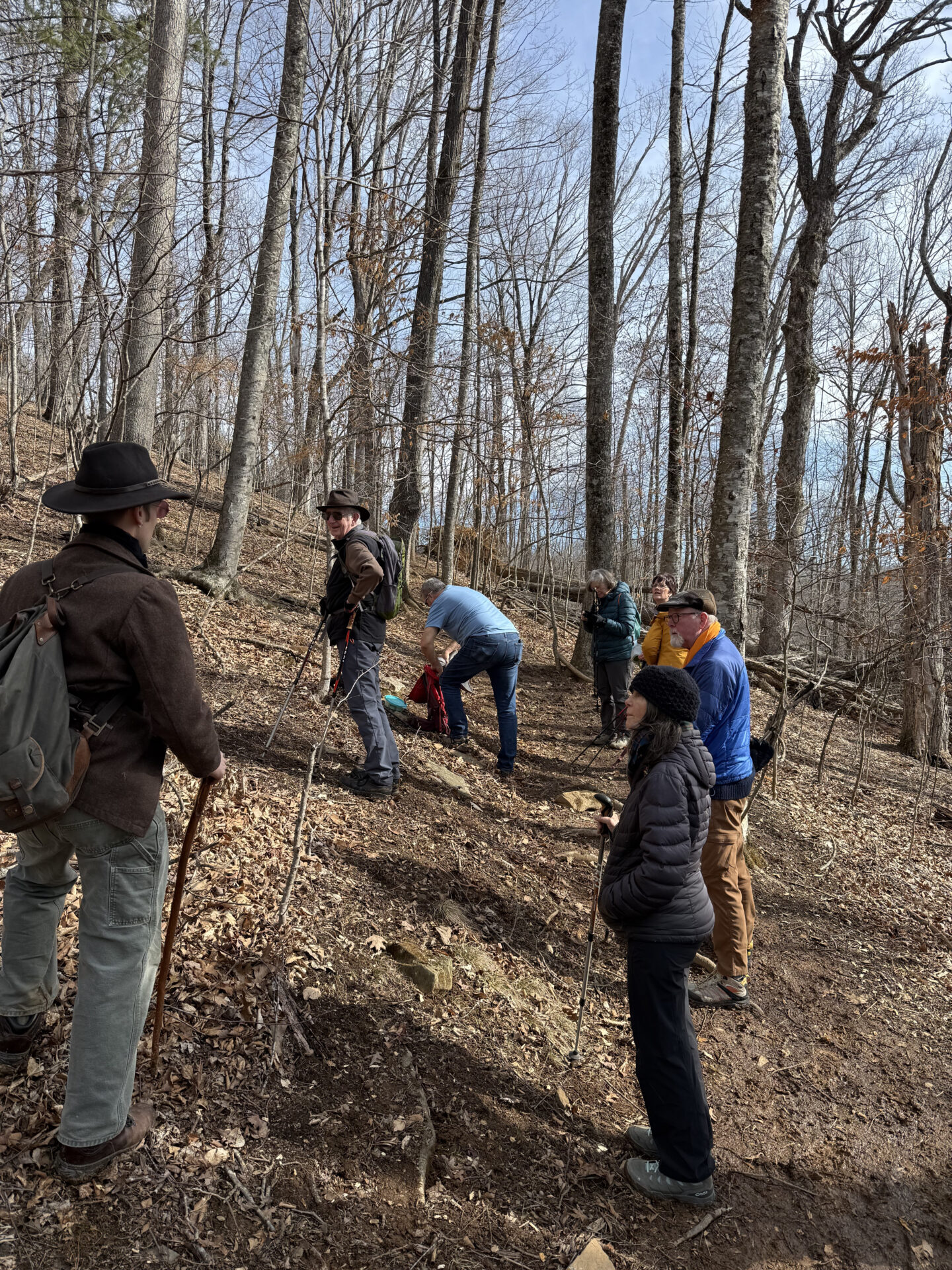
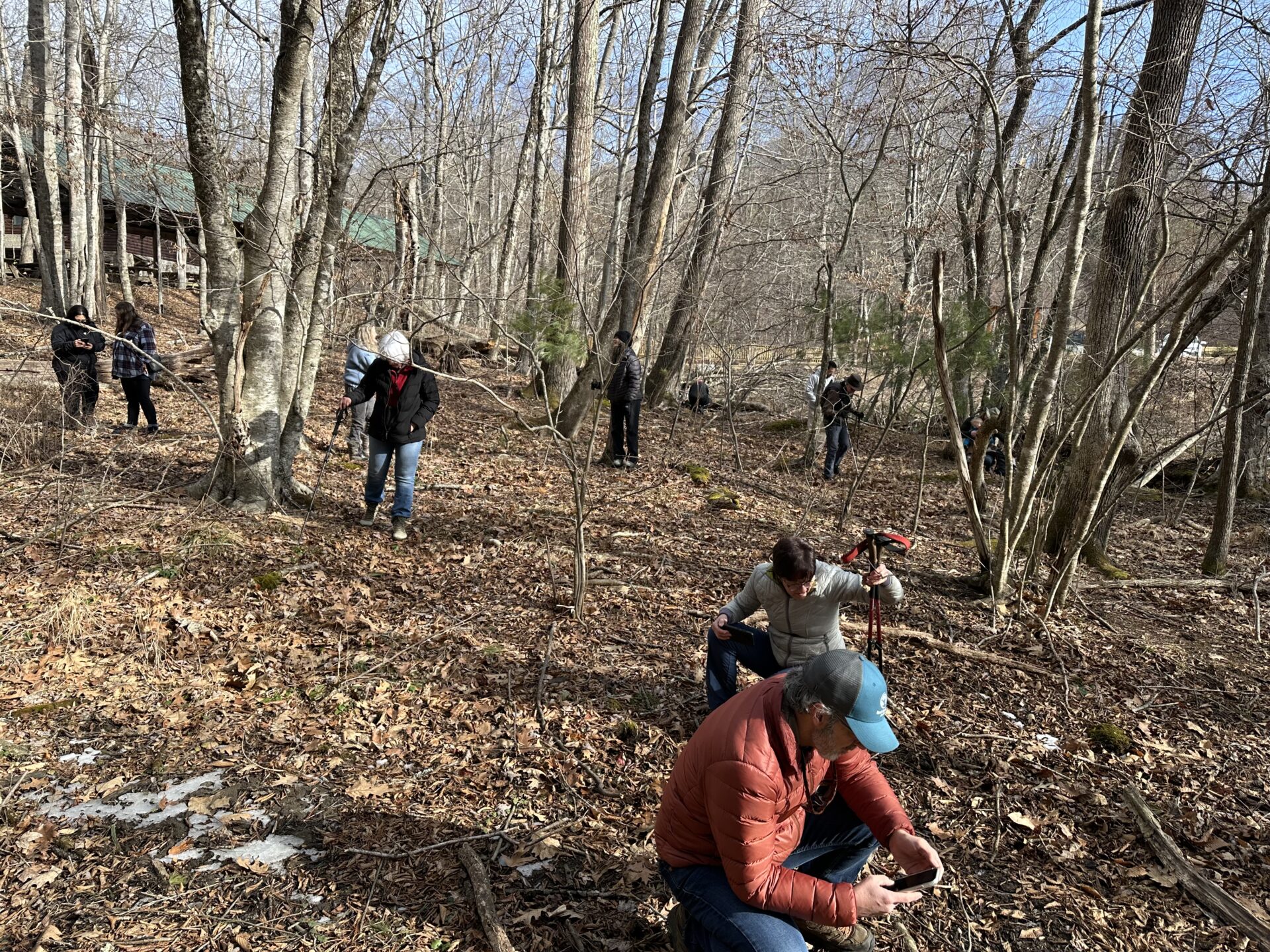
Blue Ridge Chapter programs and activities for native plant stewardship and ecological management included
- A potluck and seed swap
- Presentations by Carrie Caviness of Interface Environmental Consulting on restoring native plant communities in public recreation areas
- Emma Crider of MountainTrue on invasive plant management in the High Country
- Landscape architect Preston Montague about decision-making frameworks in gardening for ecosystem health
- James Tomberlin of the N.C. Wildlife Resources Commission with an overview of deer management in North Carolina and its ecological implications
Foothills Chapter
Click on a picture to scroll through the gallery and view individual captions.
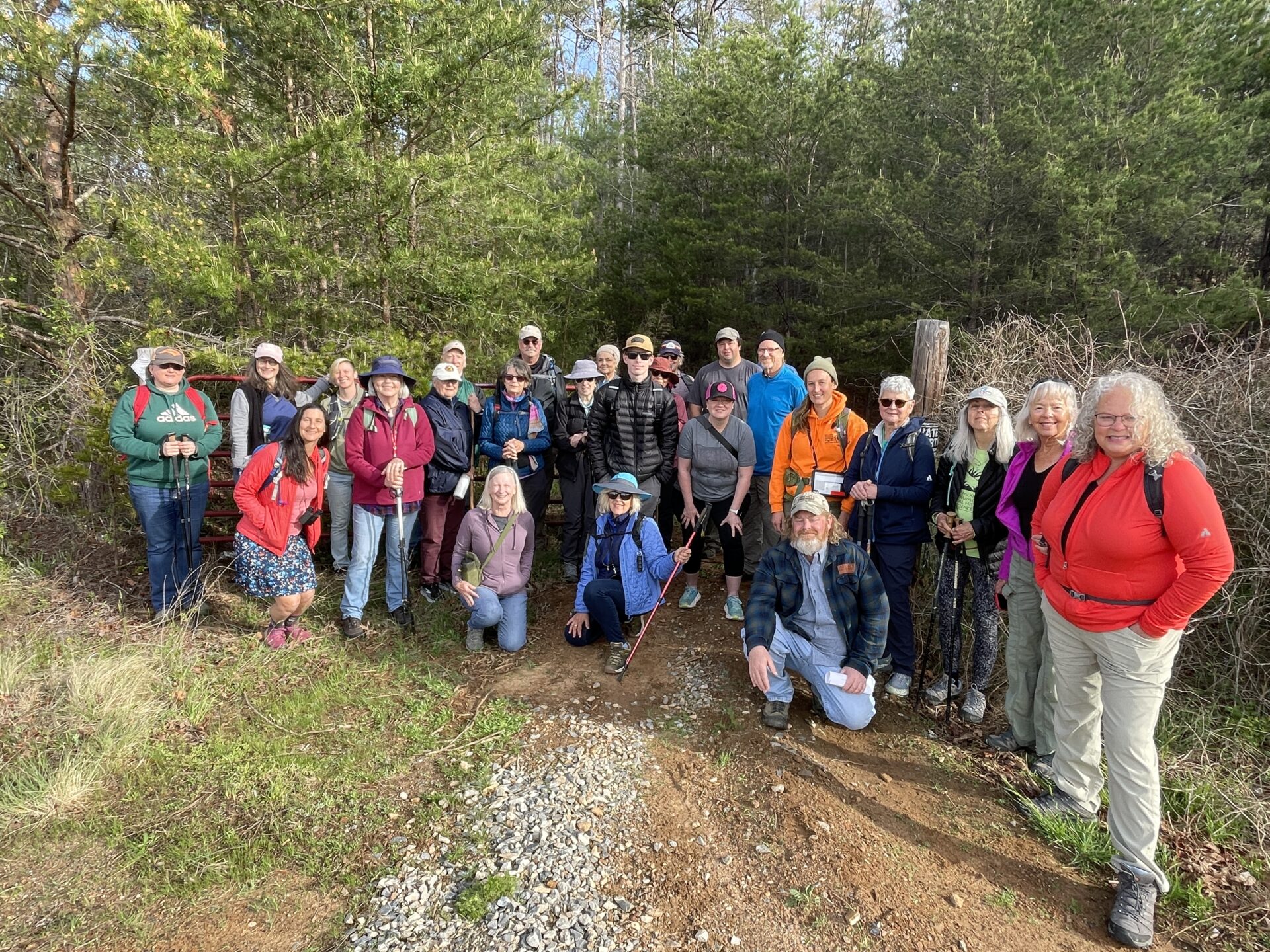
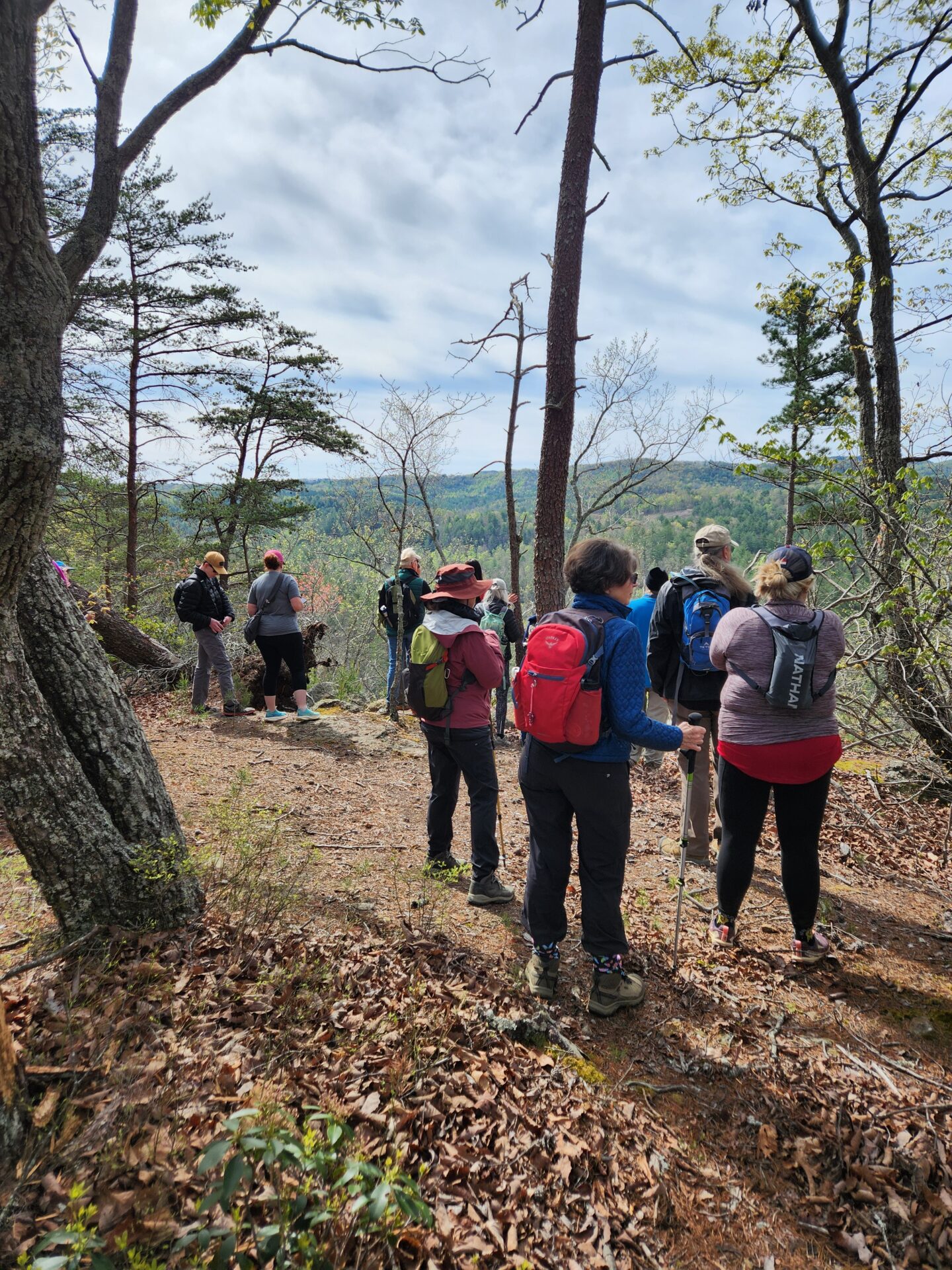
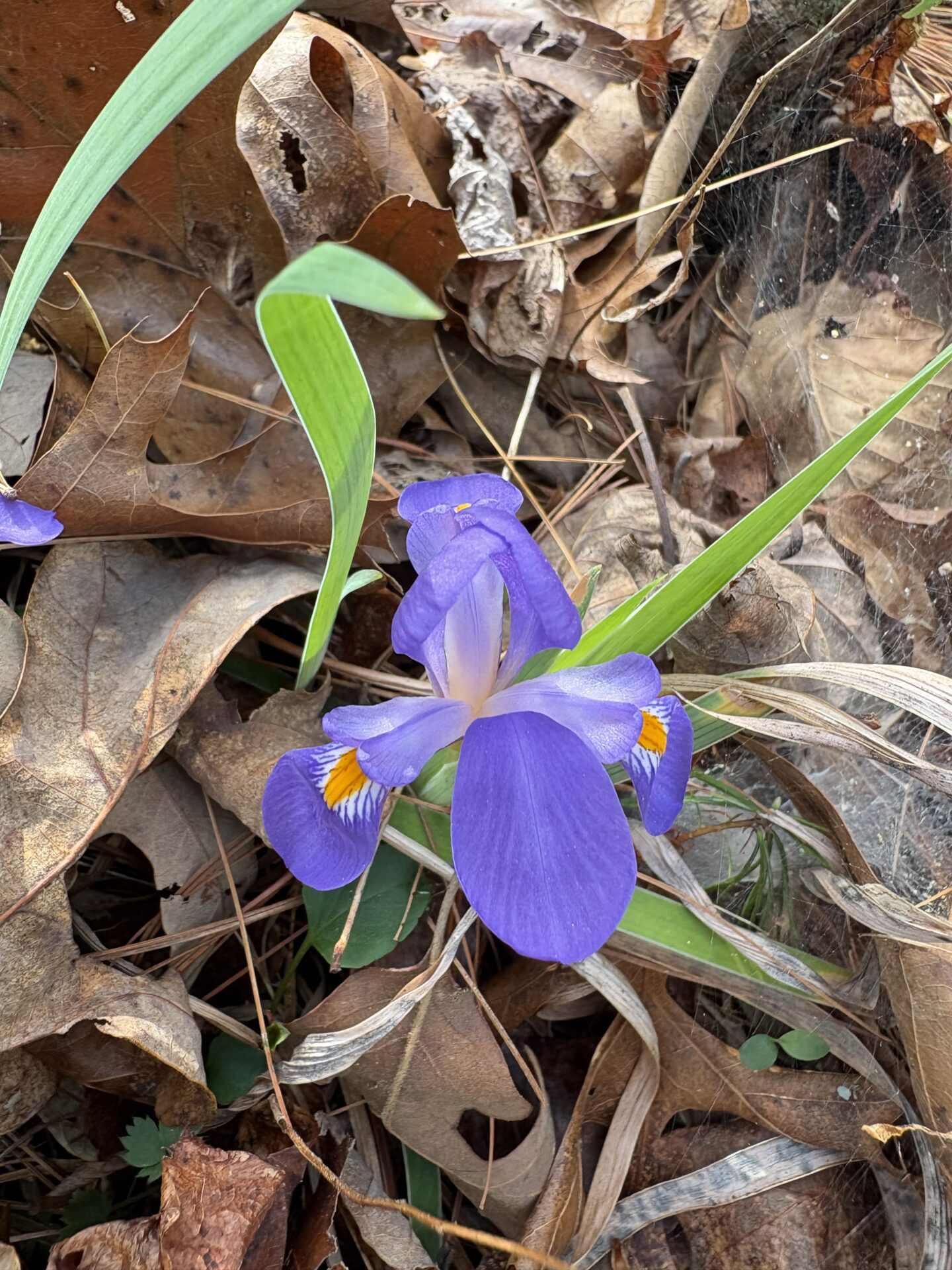
Foothills Chapter. The newly formed Foothills Chapter held its inaugural hike with two dozen of the chapter’s newest members at the Smith Cliffs property owned by the Foothills Conservancy in Morganton on April 6th. Participants learned about the work of the Conservancy from Stewardship Director Ryan Sparks and the rare plants on the property from N.C. Natural Heritage Program Biologist Jess Schaner. The view from the cliffs was worth the moderate climb!
Land of the Sky Chapter
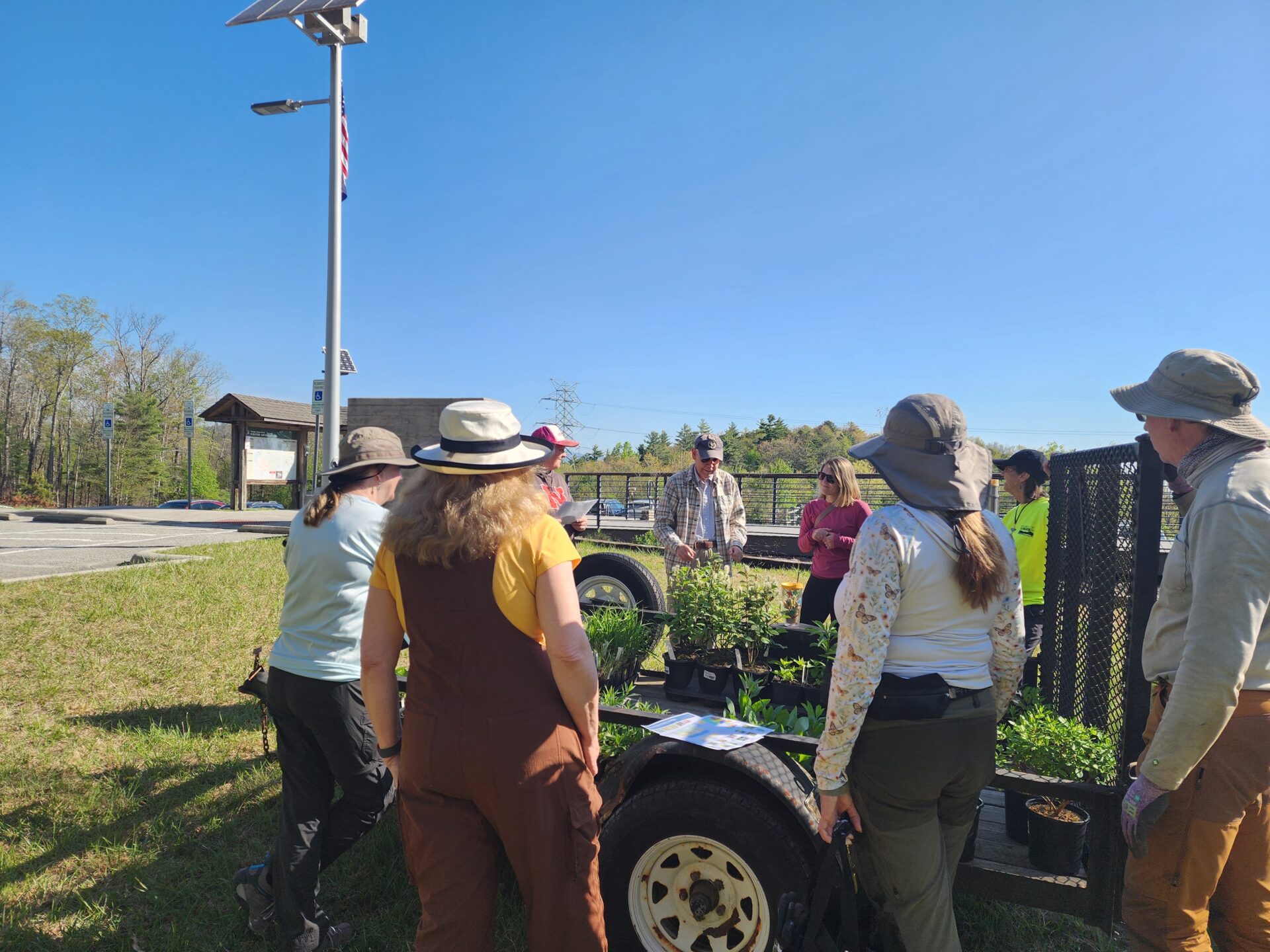
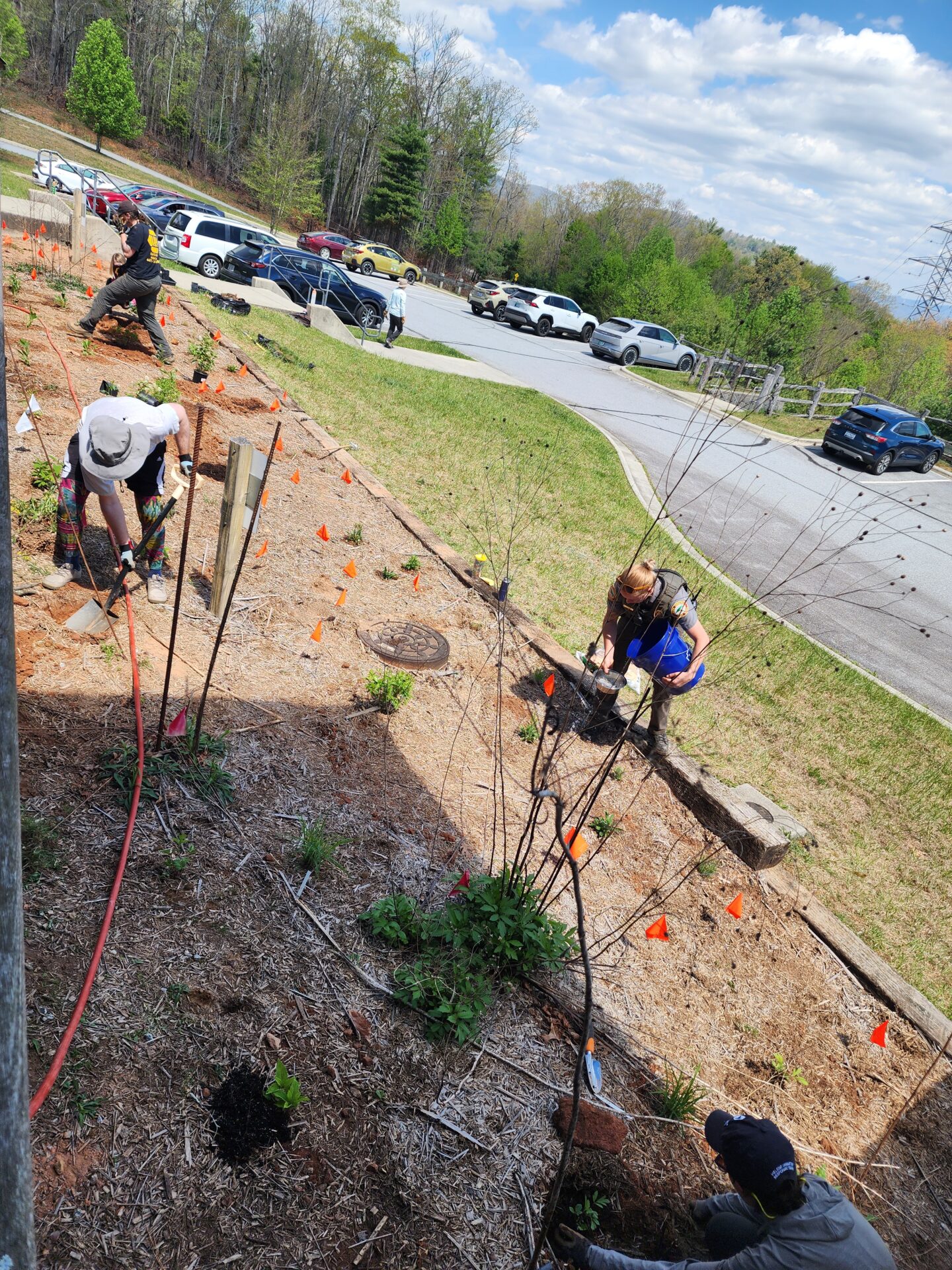
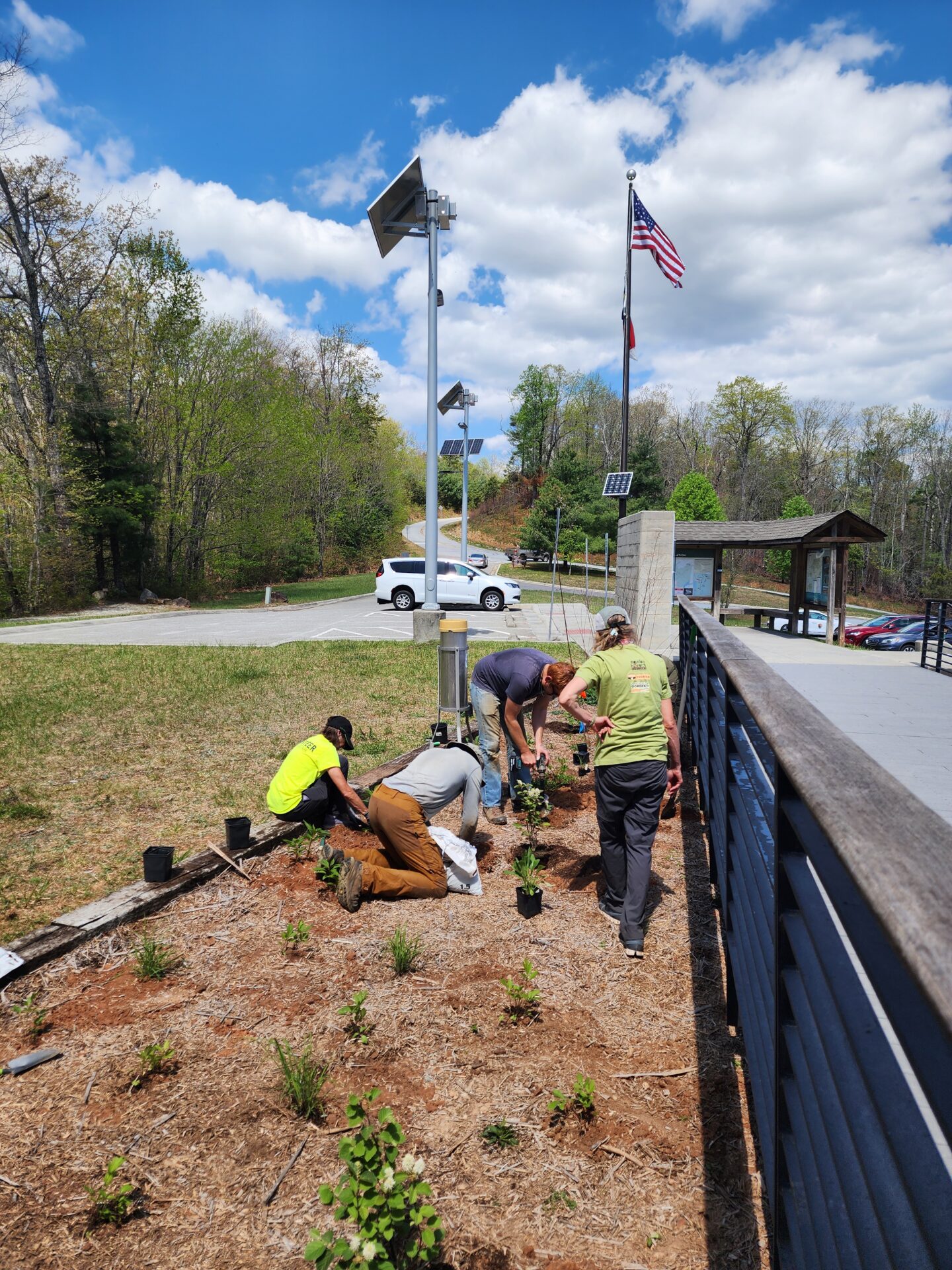
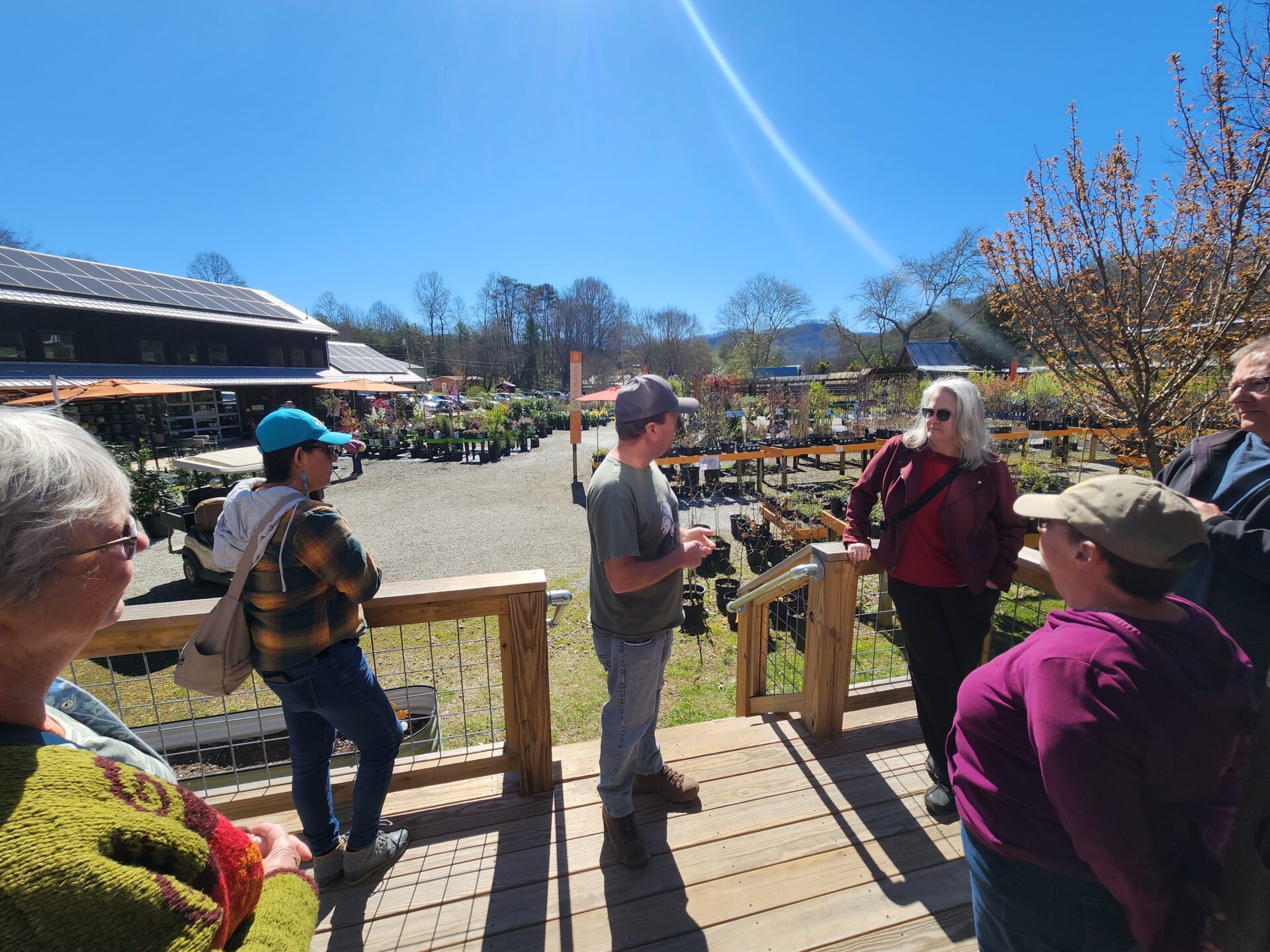
Click on a picture to scroll through the gallery and view individual captions.
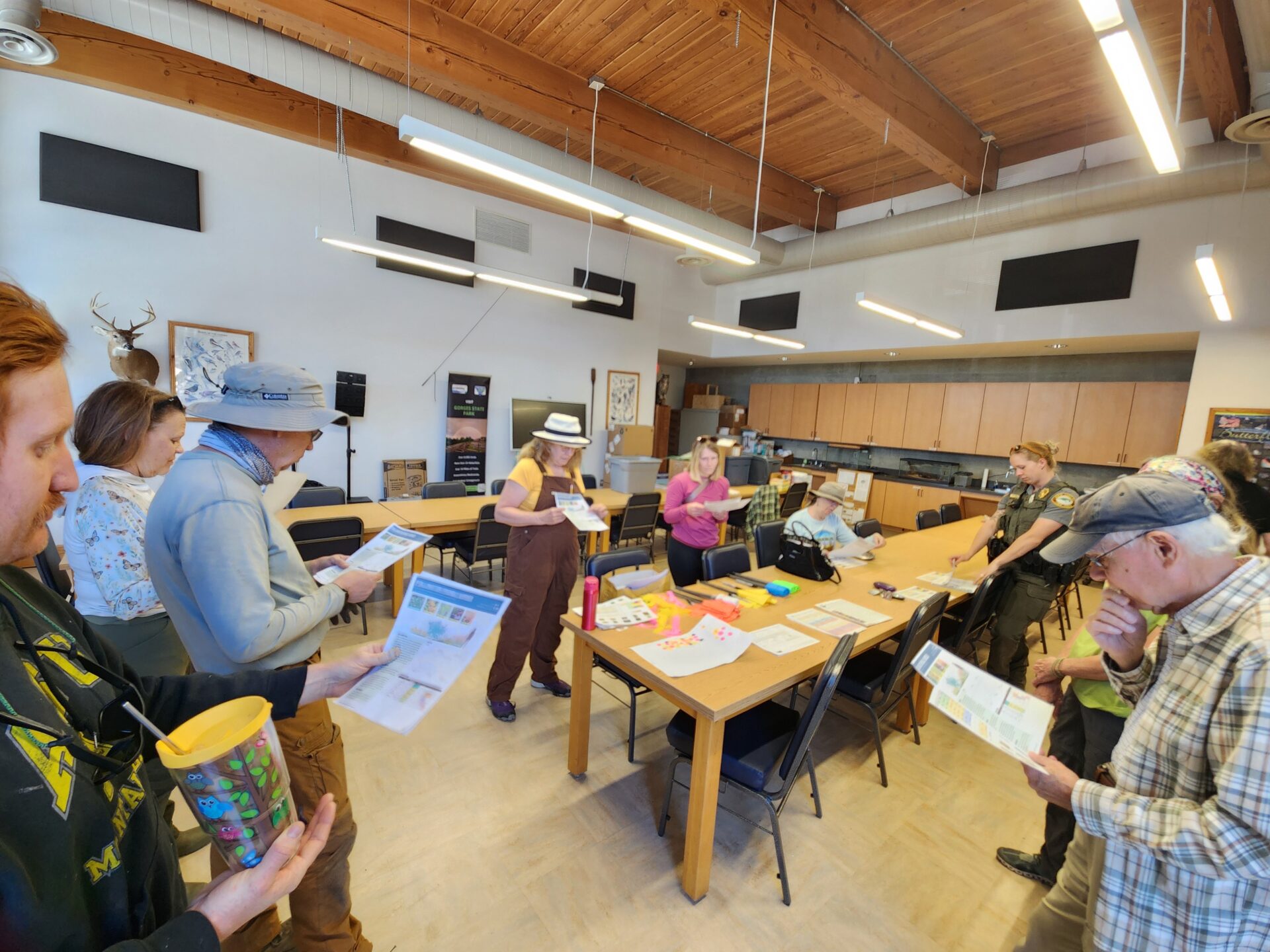
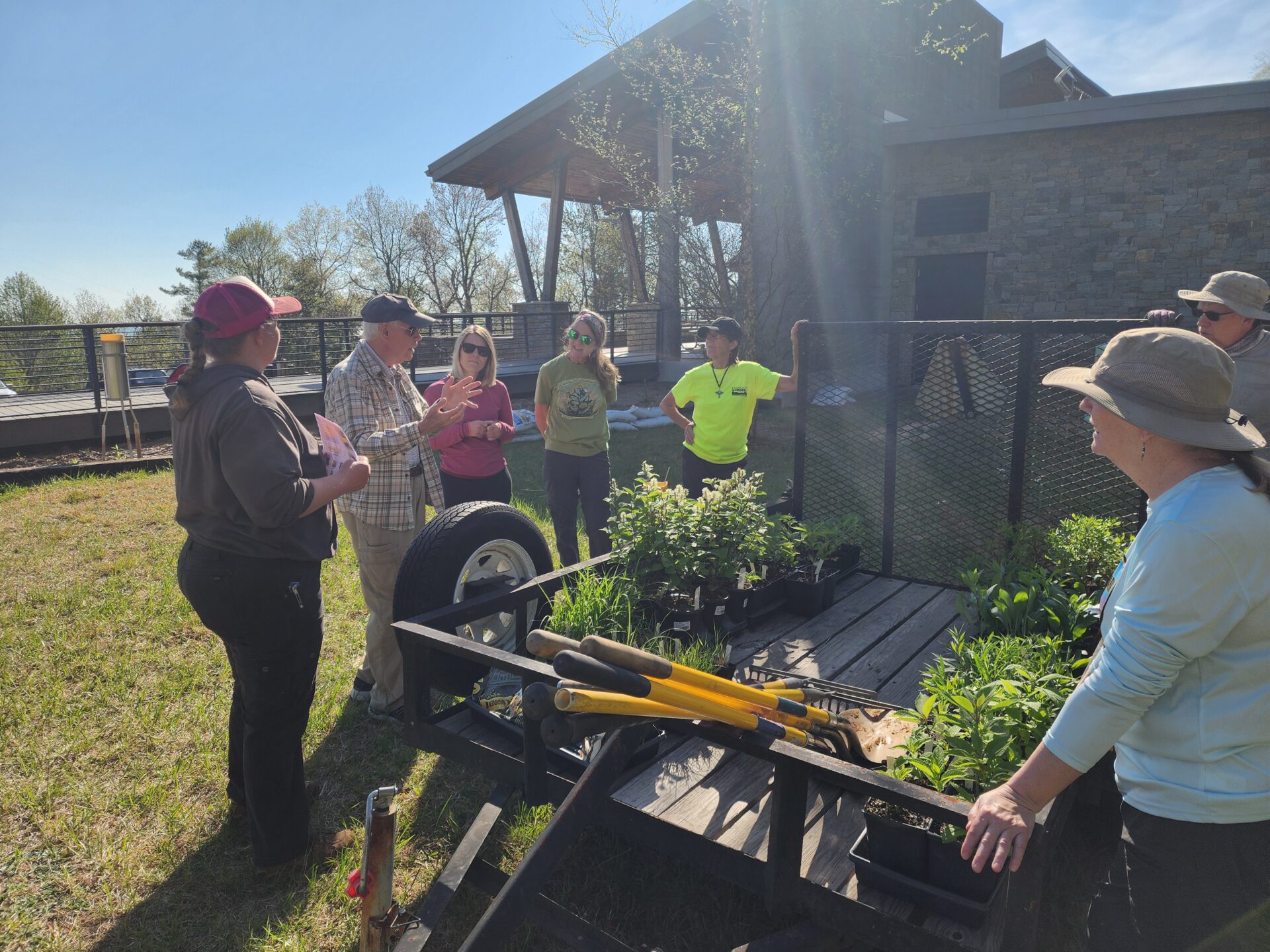
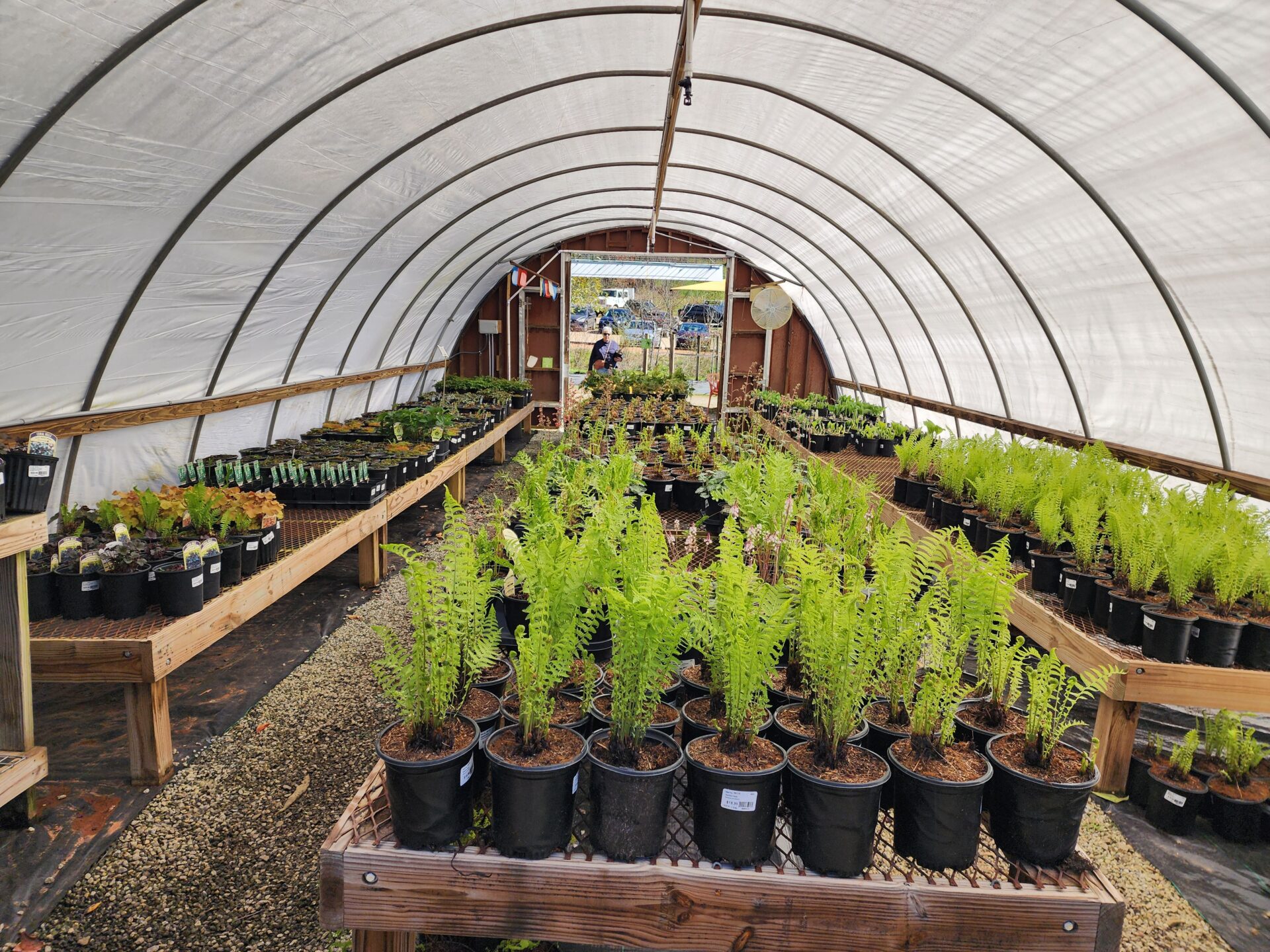
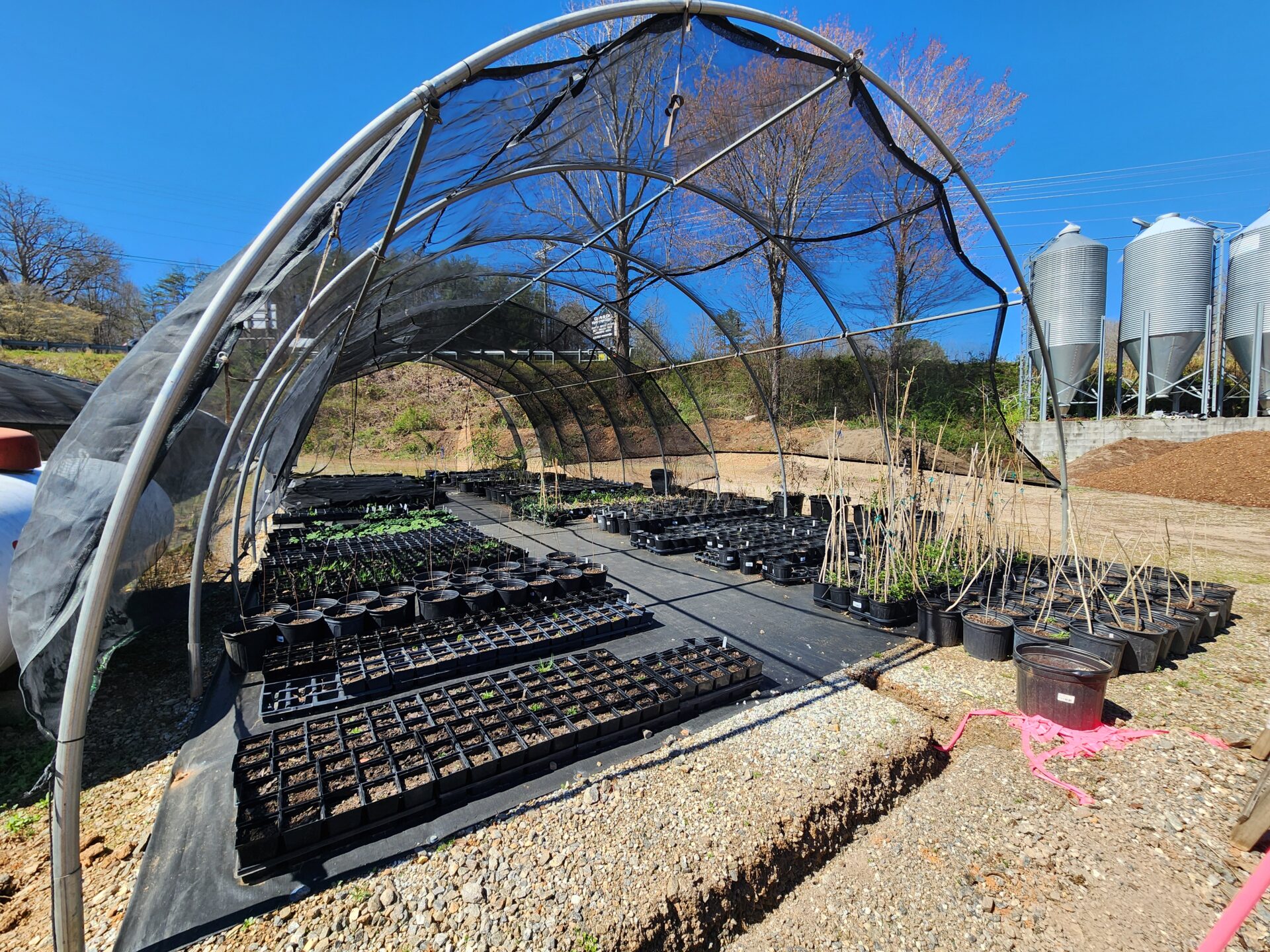
Land of the Sky Chapter. Three years of planning, one hurricane, four organizations (Land of the Sky chapter, Oconee Bell chapter, Friends of Gorges State Park, and Gorges State Park), and one work session of four-hours, Gorges State Park now has a native plant pollinator garden!
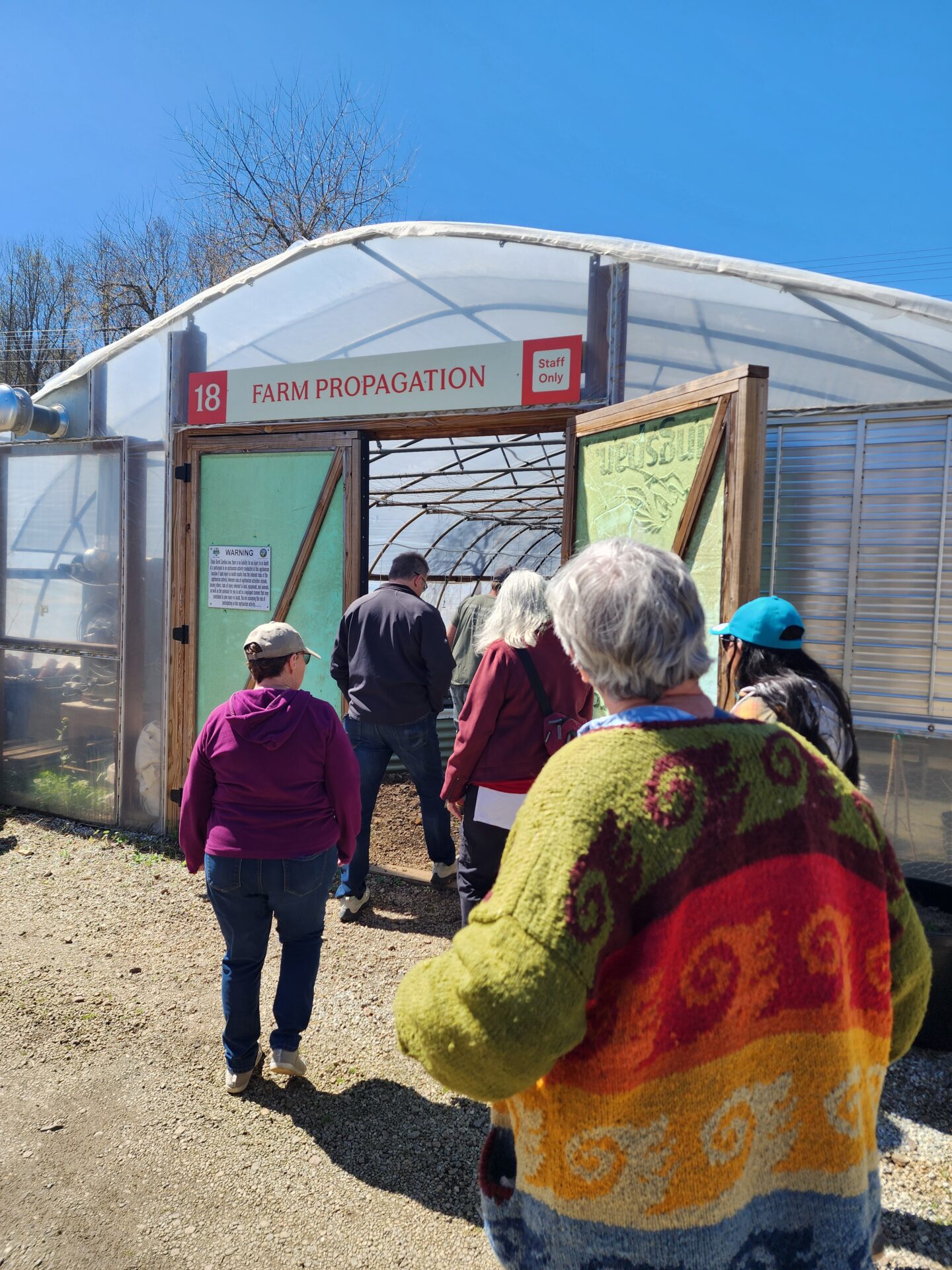
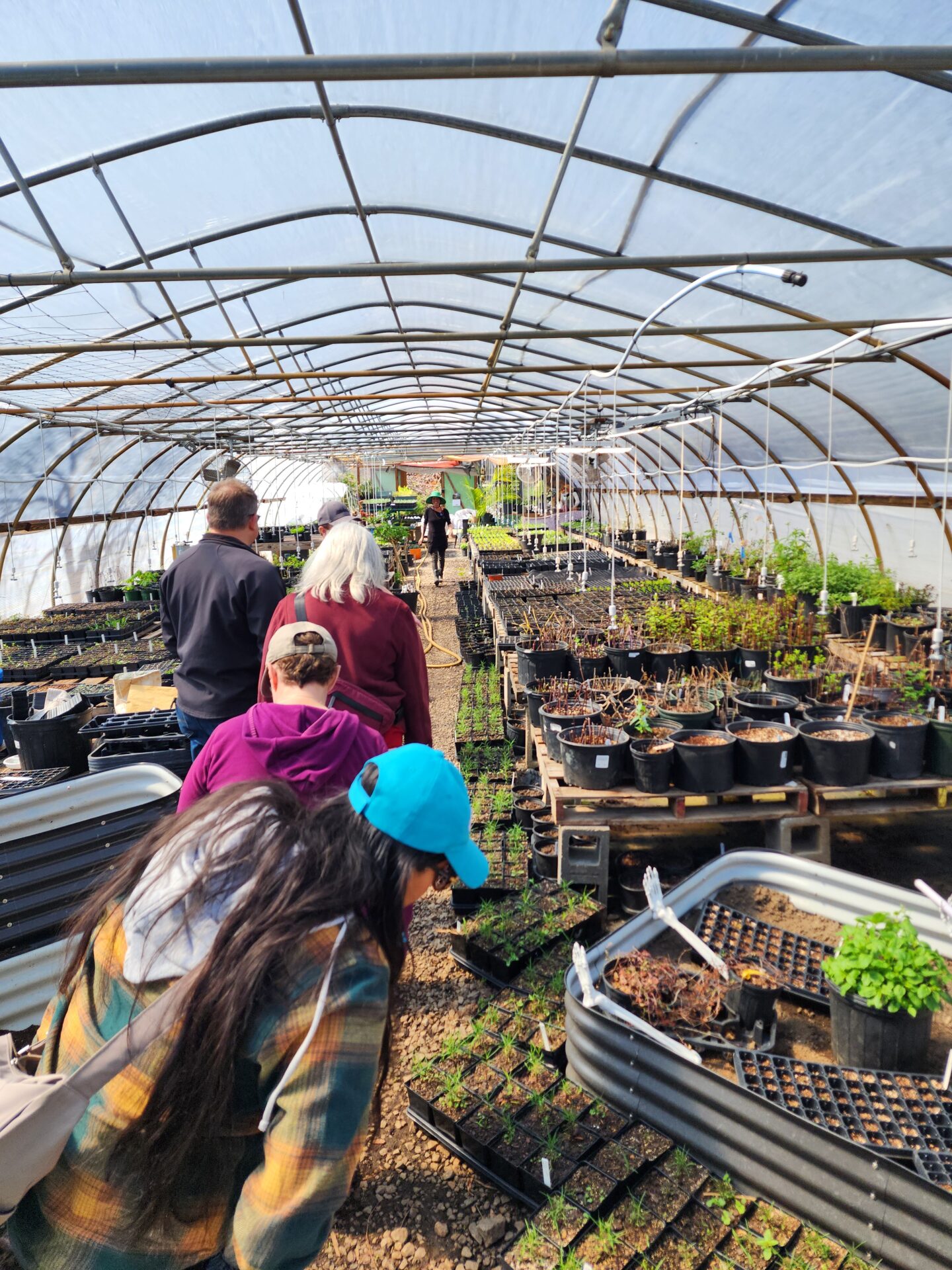
Land of the Sky adventured to Franklin and toured the Winding Stair Farm hoop houses where we learned how they source, grow, and sell their plants.
Margaret Reid (Triangle) Chapter

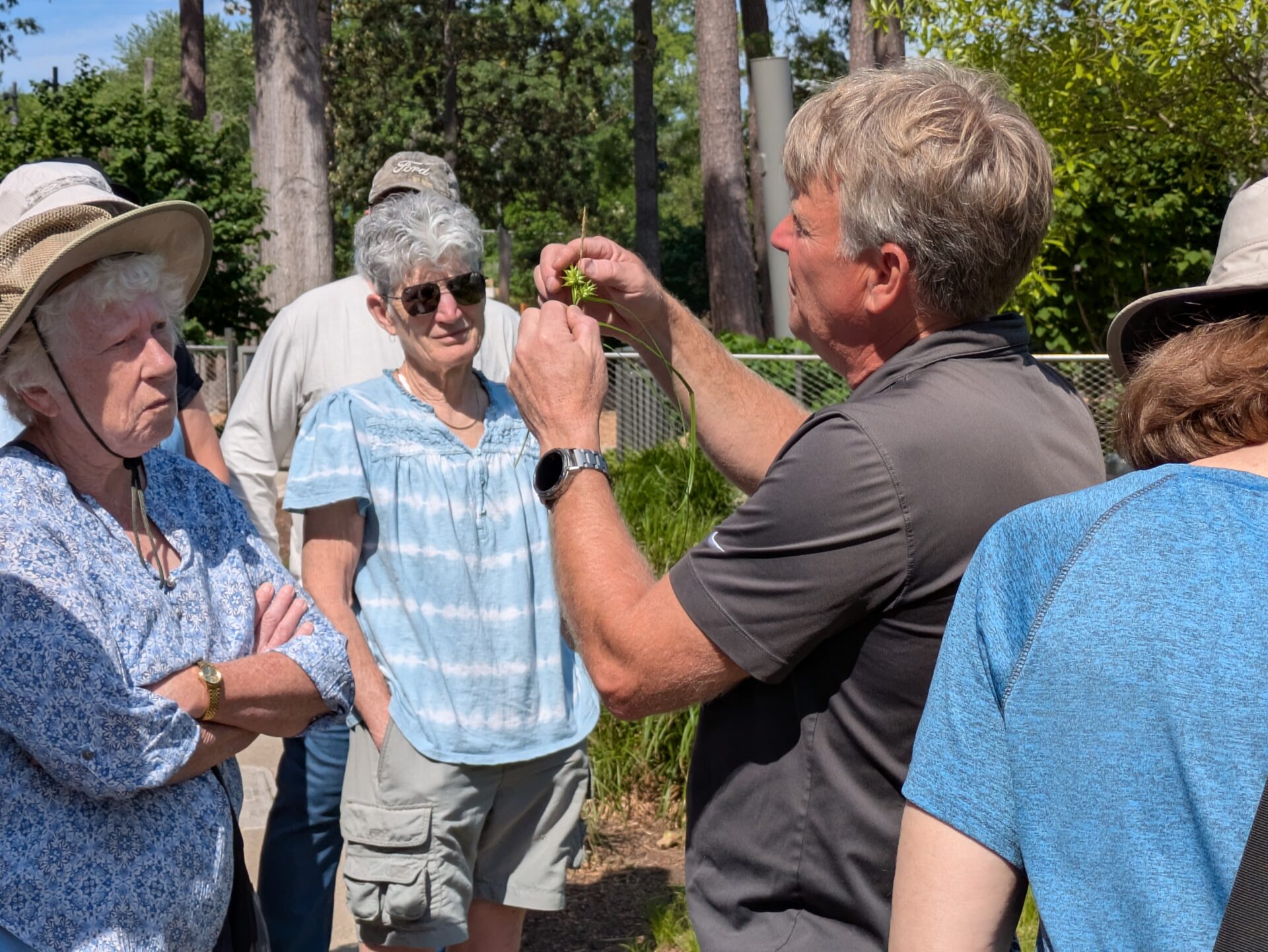
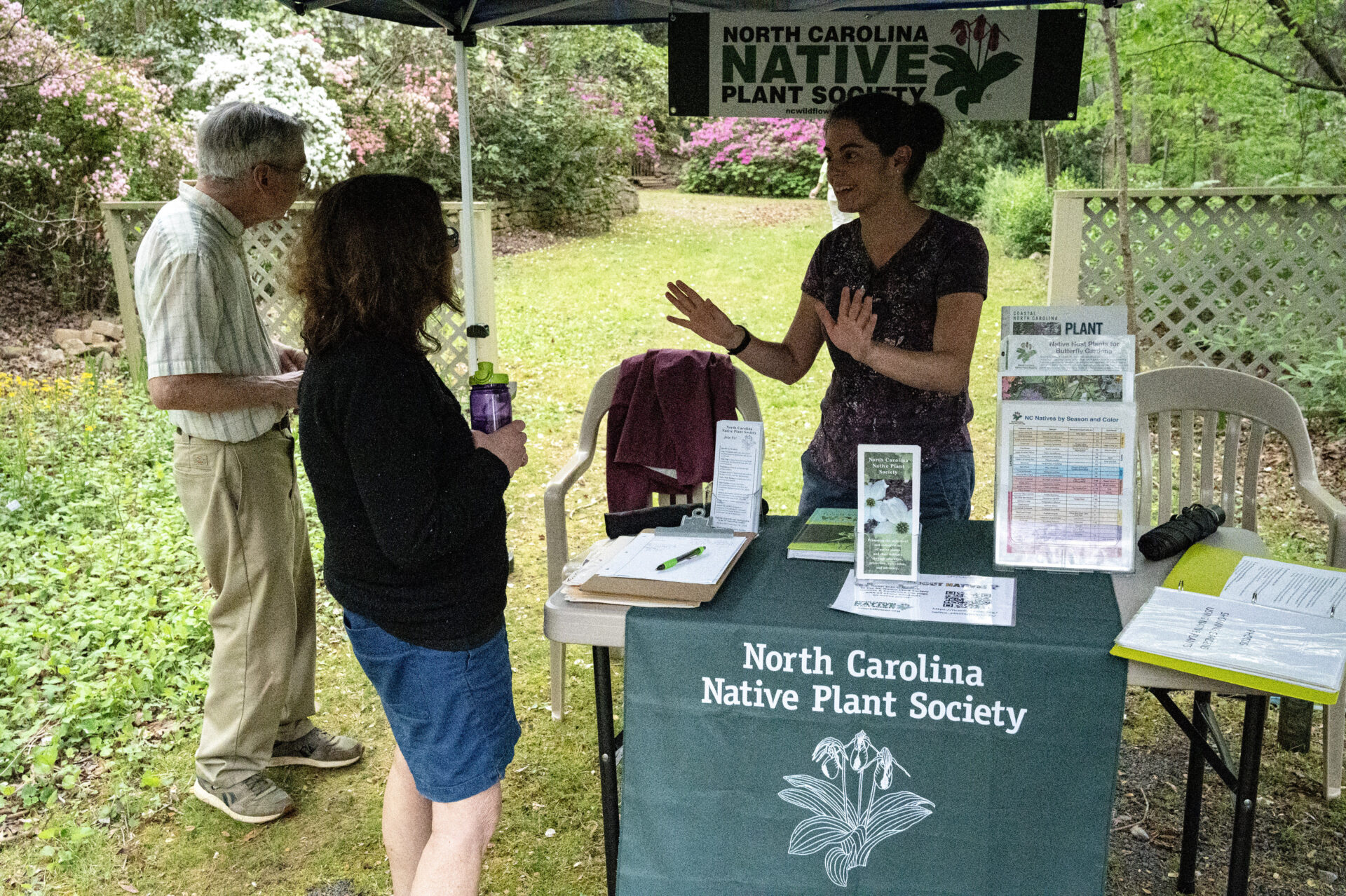
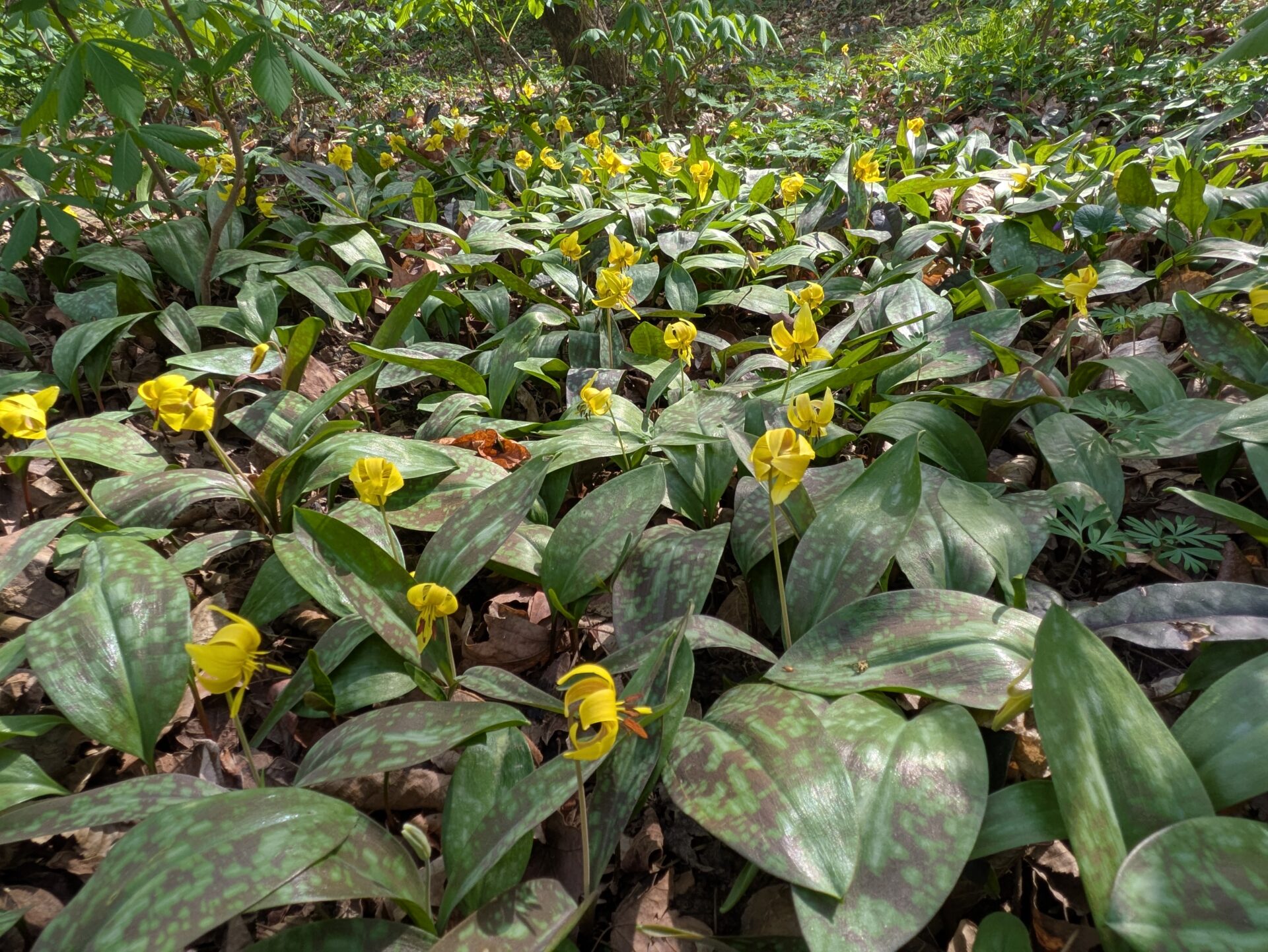
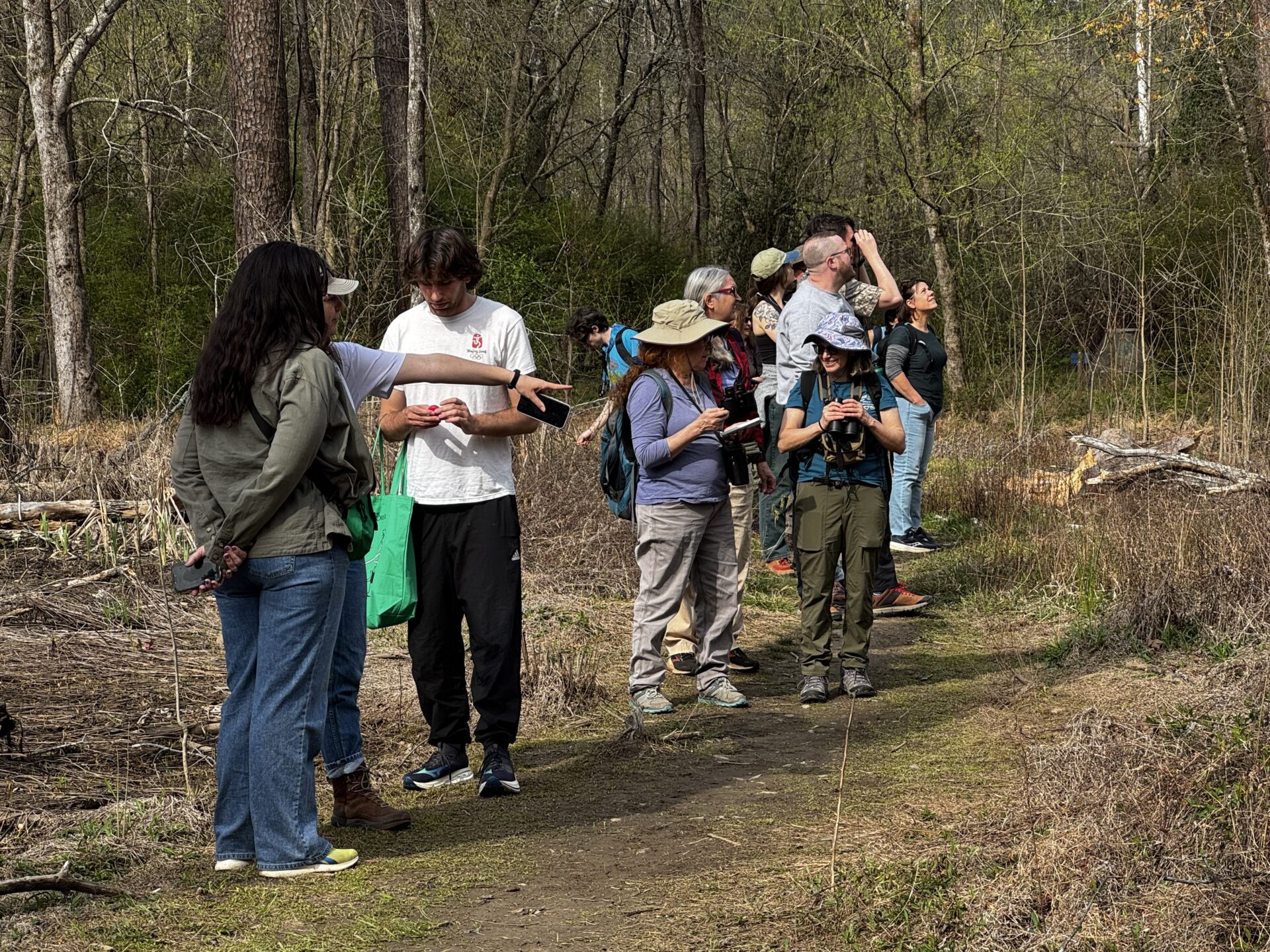


Click on a picture to scroll through the gallery and view individual captions.
Margaret Reid (Triangle) Chapter. Spring is a busy time for the Reid Chapter with many field trips, festivals, and social events.
We explored another trail on the Haw River, found Dutchman’s britches and the less common Yellow Troutlily at Willie Duke’s Bluff on the Eno, toured SanLee Park in Sanford, Sandy Creek Park in Durham, and had a special tour of Downtown Cary Park by park horticulturalist Patrick McMillan, who will be the keynote speaker for the 75th Anniversary event in Pittsboro in September.
We also tabled at 10 festivals, hosted the Reid Garden Easter Open Garden, and enjoyed a Reid Chapter social and plant share.
Oconee Bell Chapter

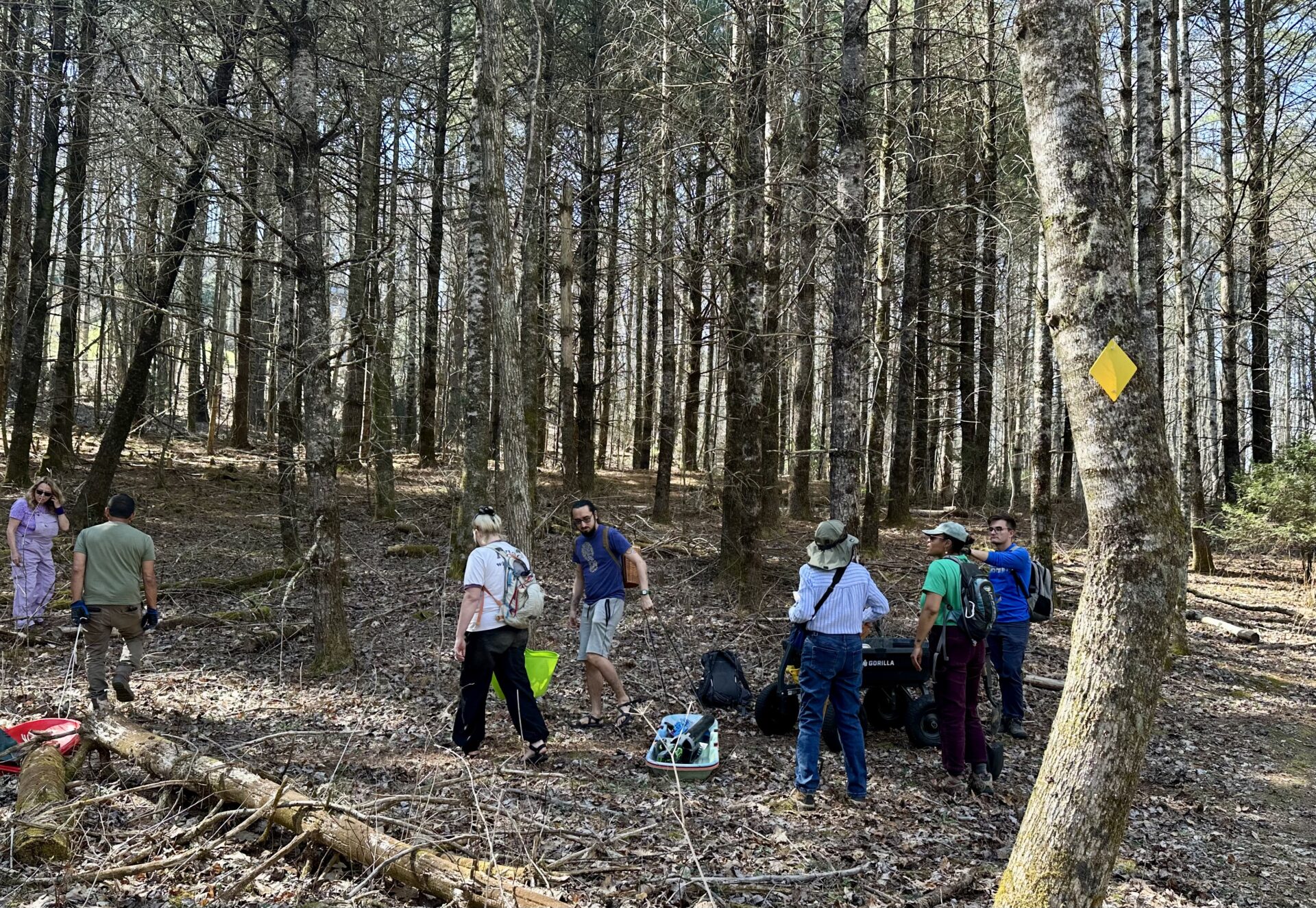

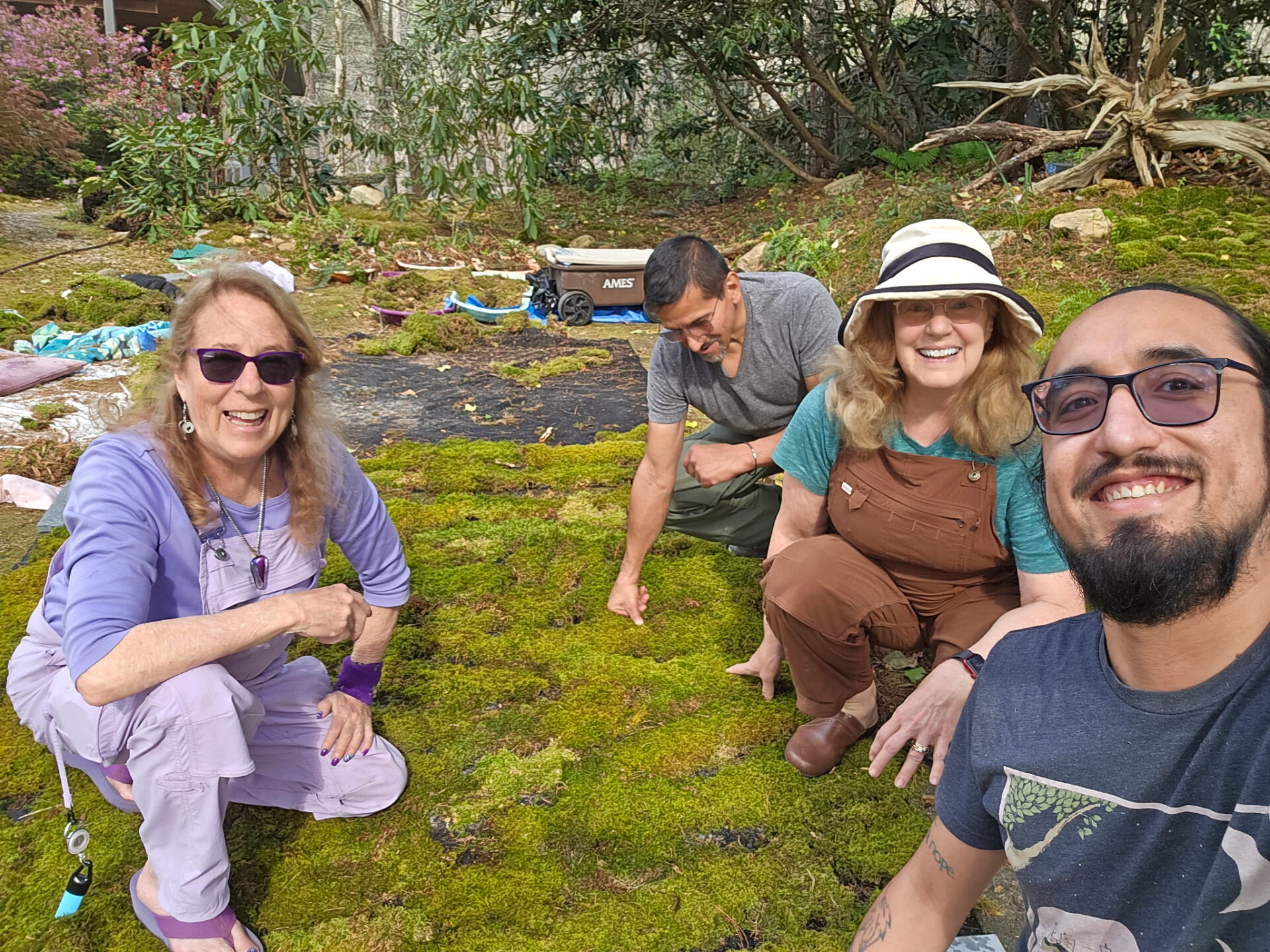

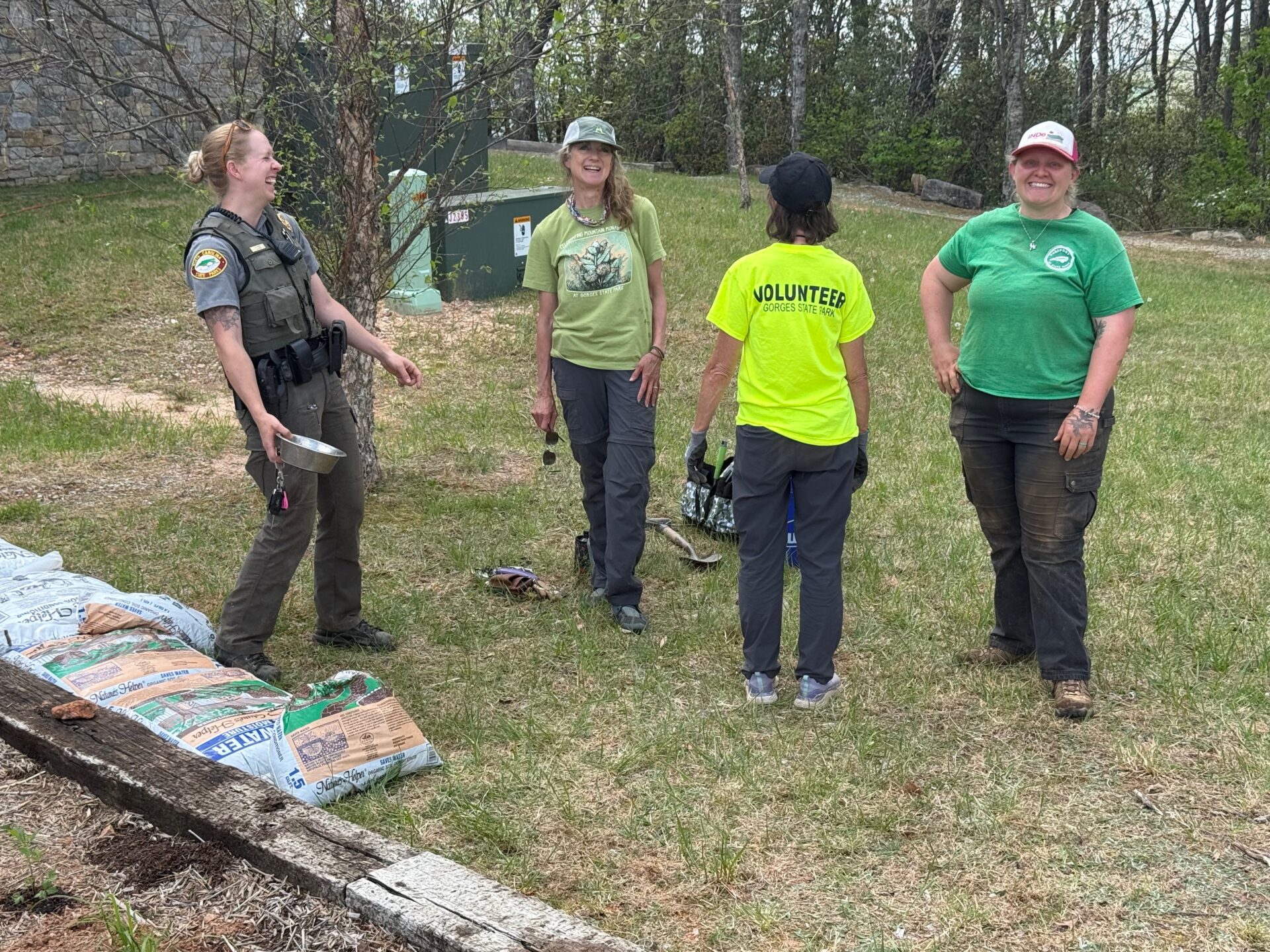
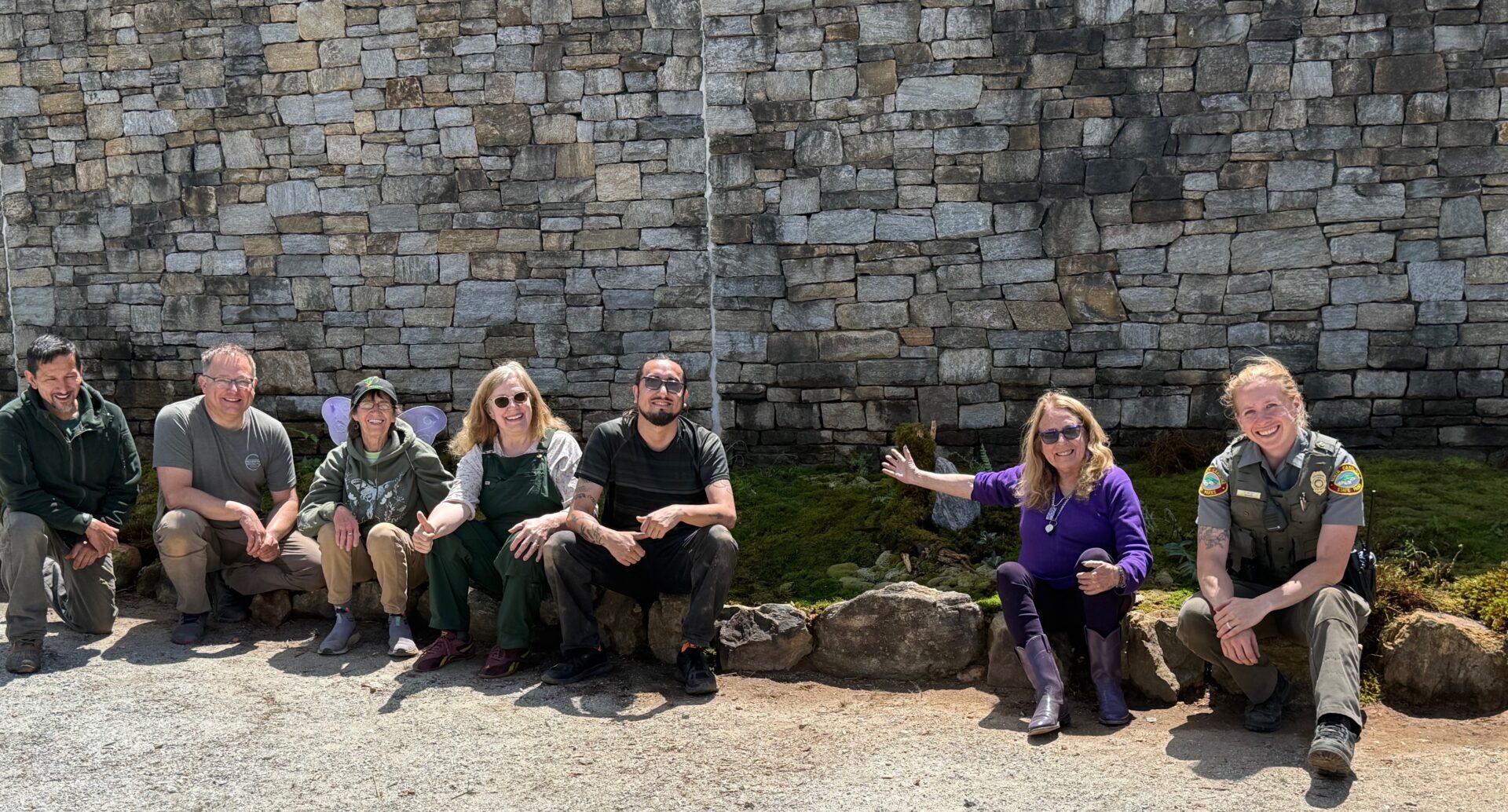


Click on a picture to scroll through the gallery and view individual captions.
The Oconee Bell Chapter hosted a Zoom meeting in February to kick off the 75th Anniversary Celebration of NCNPS. Our chapter projects have involved community partners:
- Fern and moss rehoming at Edward Baker Preserve with Highlands Cashiers Land Trust
- Moss cleaning with Mossin’ Annie of Mountain Moss for a garden at Gorges State Park
- Wildflower walk to identify plants for the “75 for the 75th Challenge”
- Pollinator garden planting at Gorges State Park with Friends of Gorges and Land of the Sky Chapter of NCNPS.
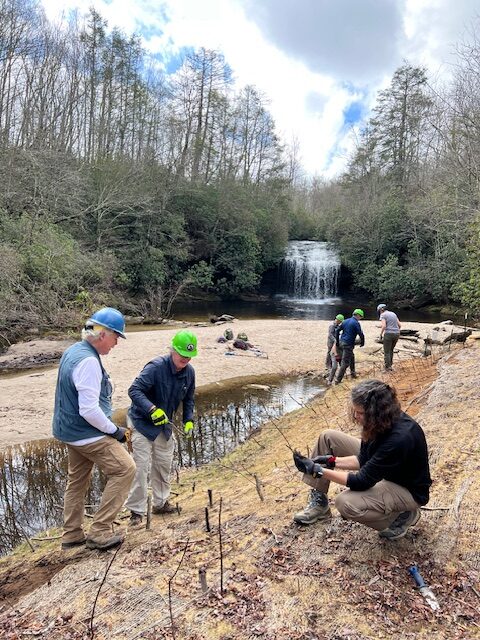
- Live staking to prevent erosion at Schoolhouse Falls with Friends of Panthertown.
Sandhills Chapter
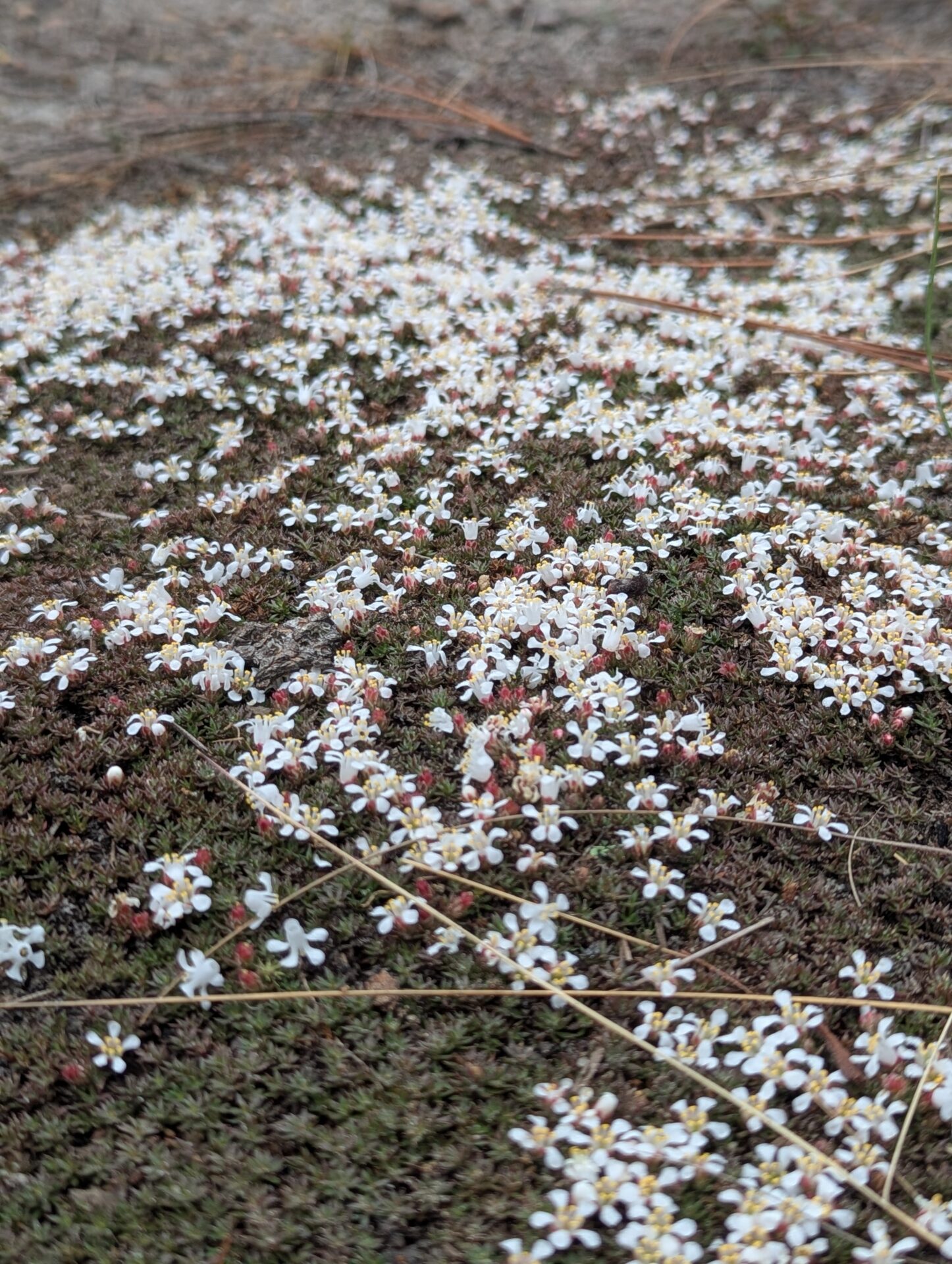
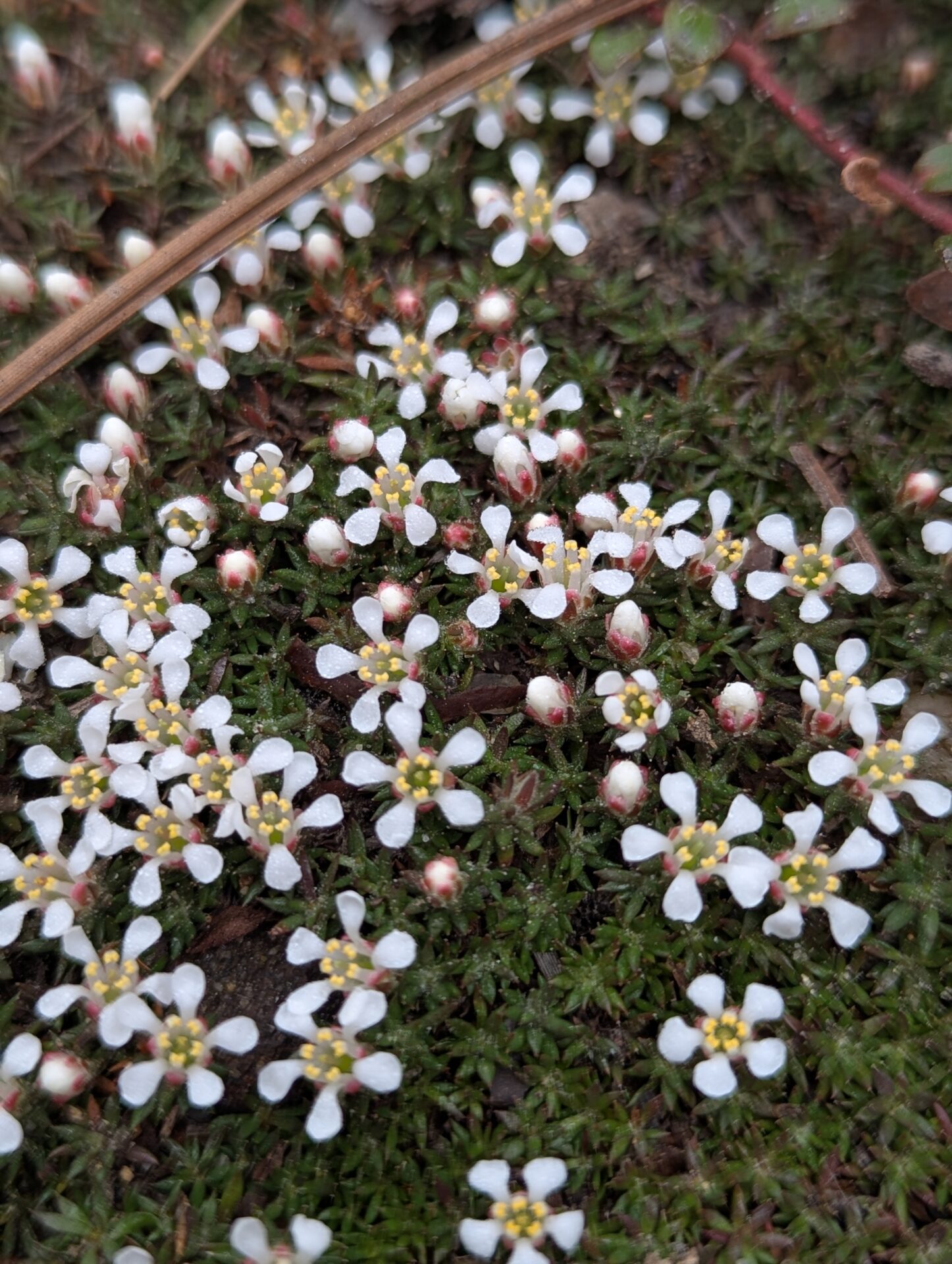
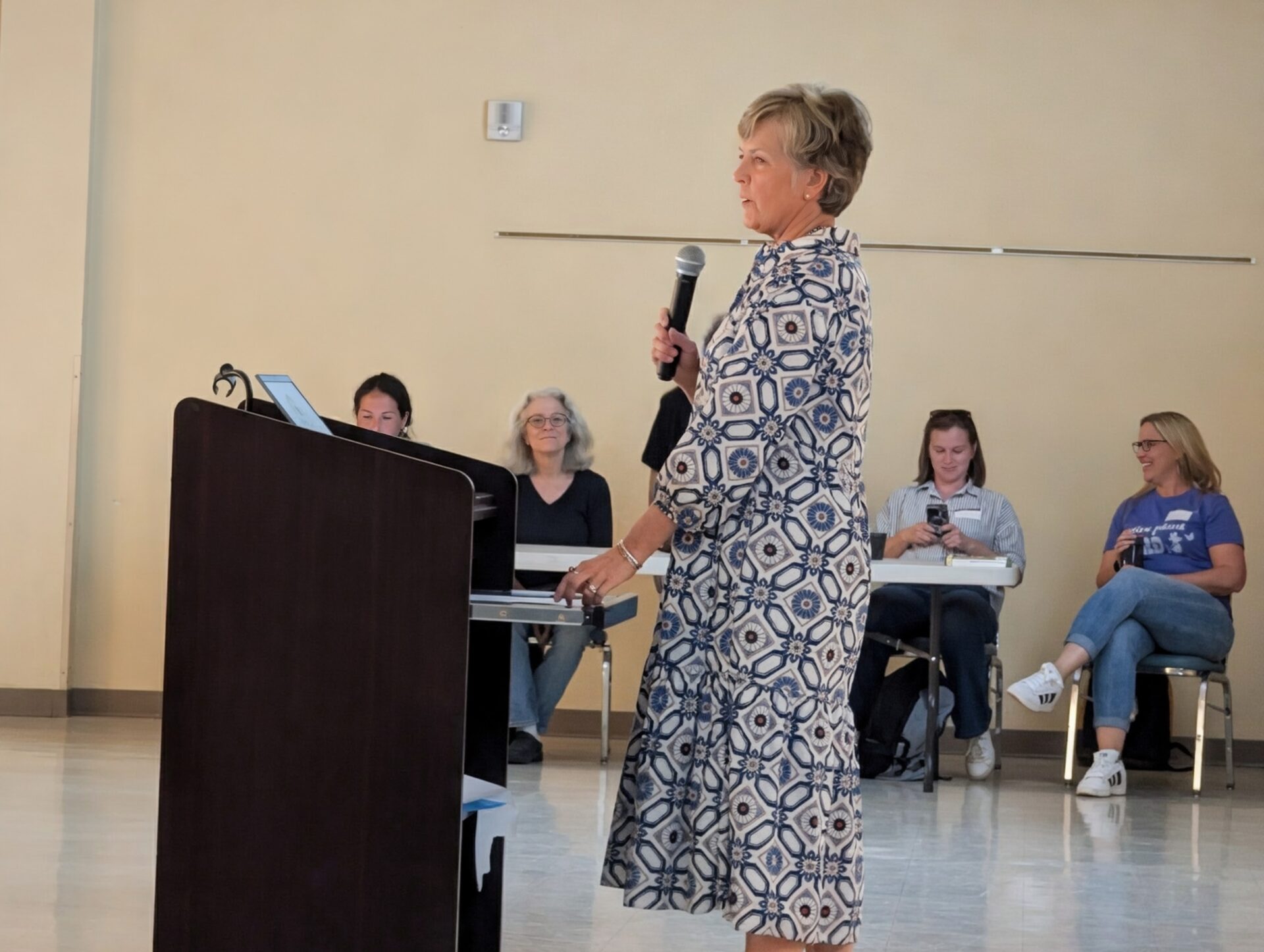
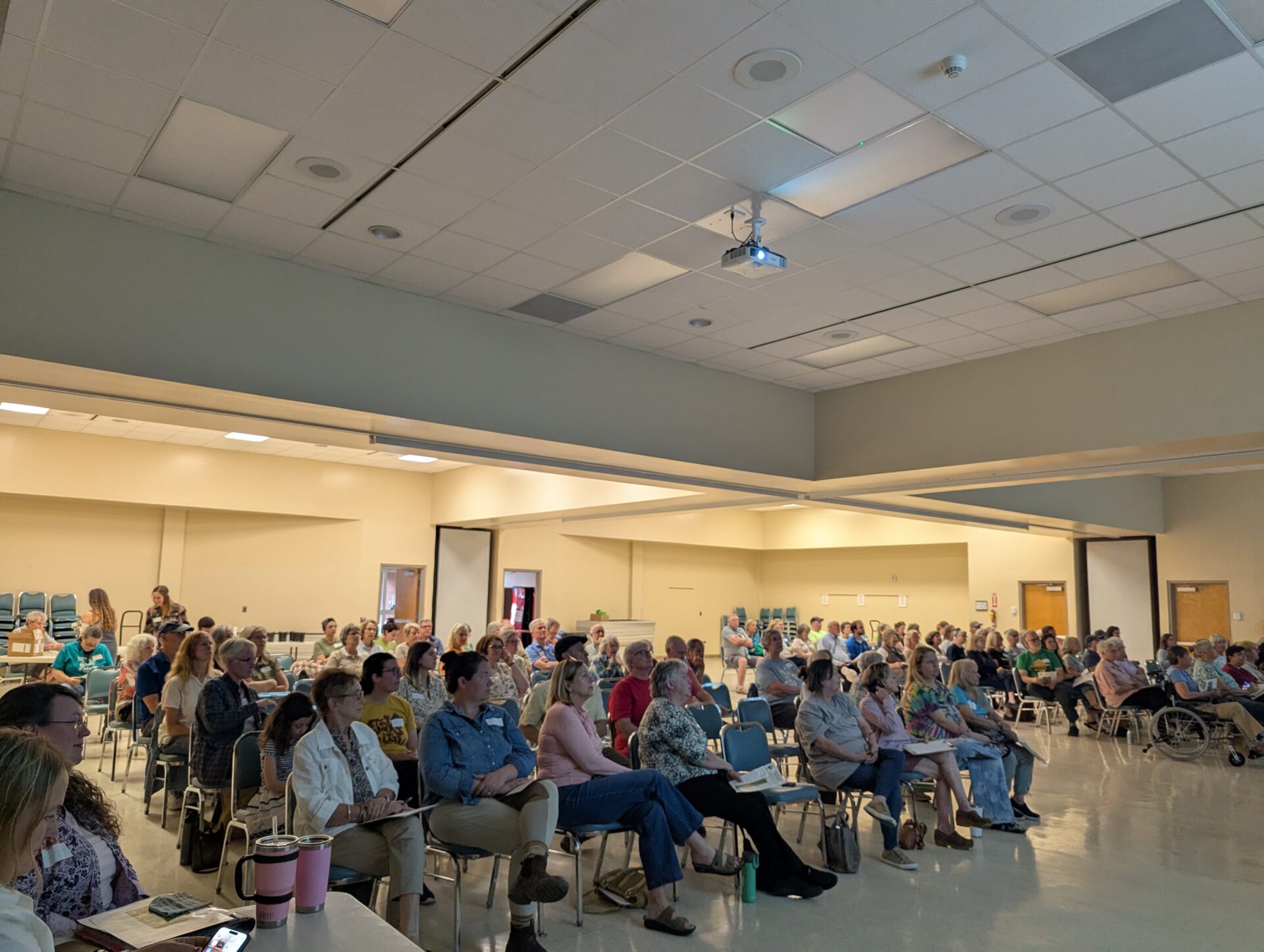
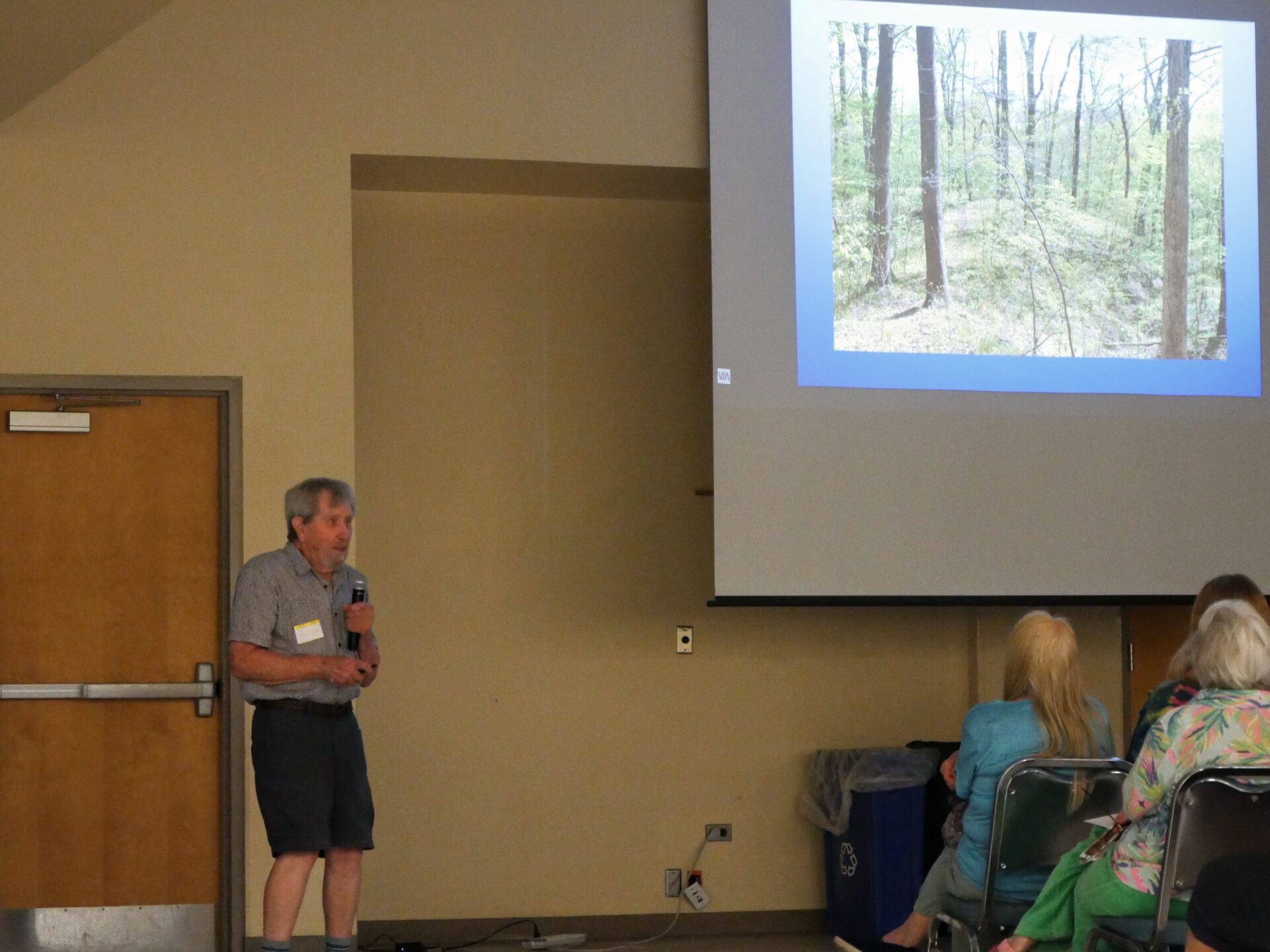
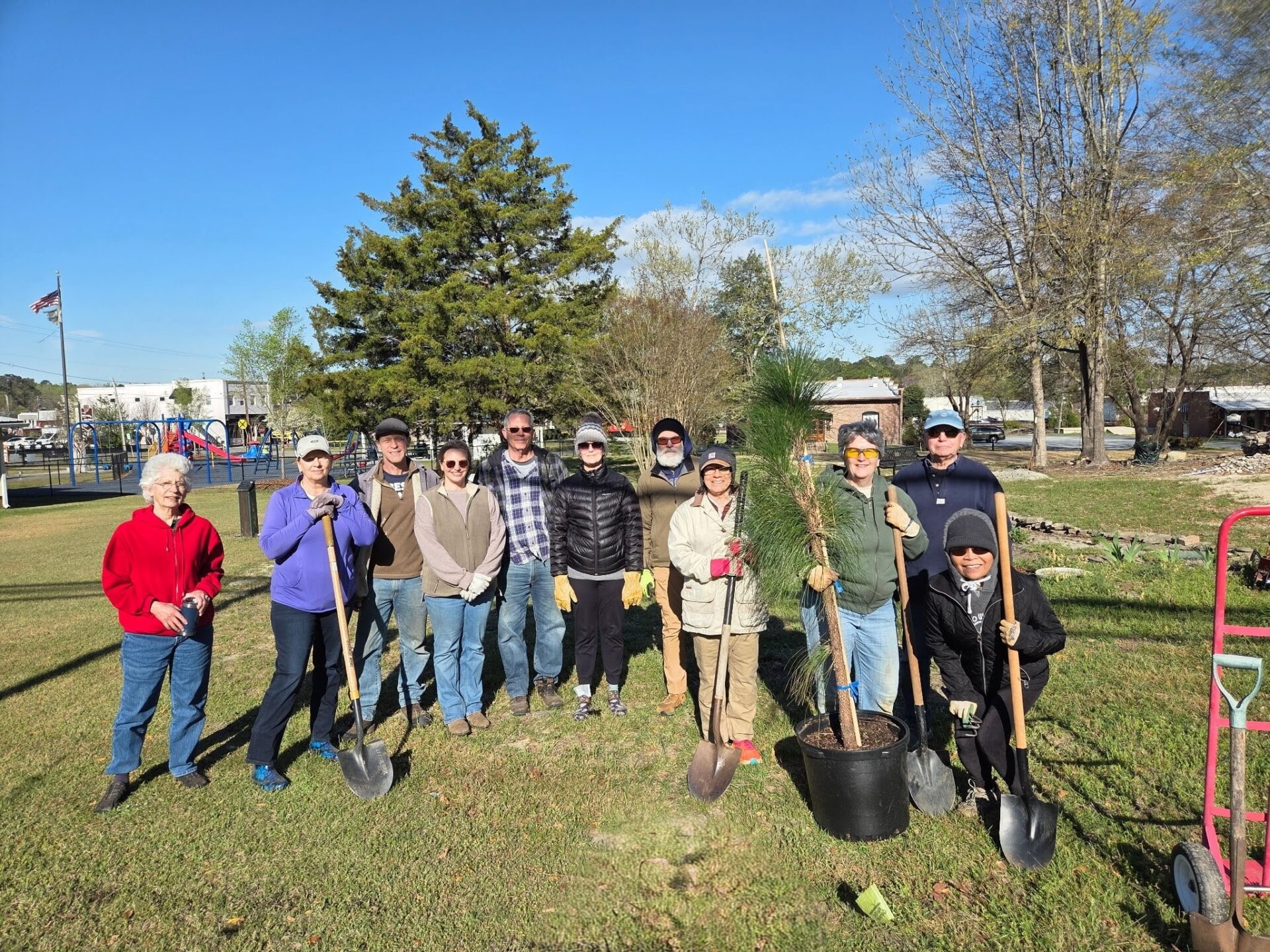
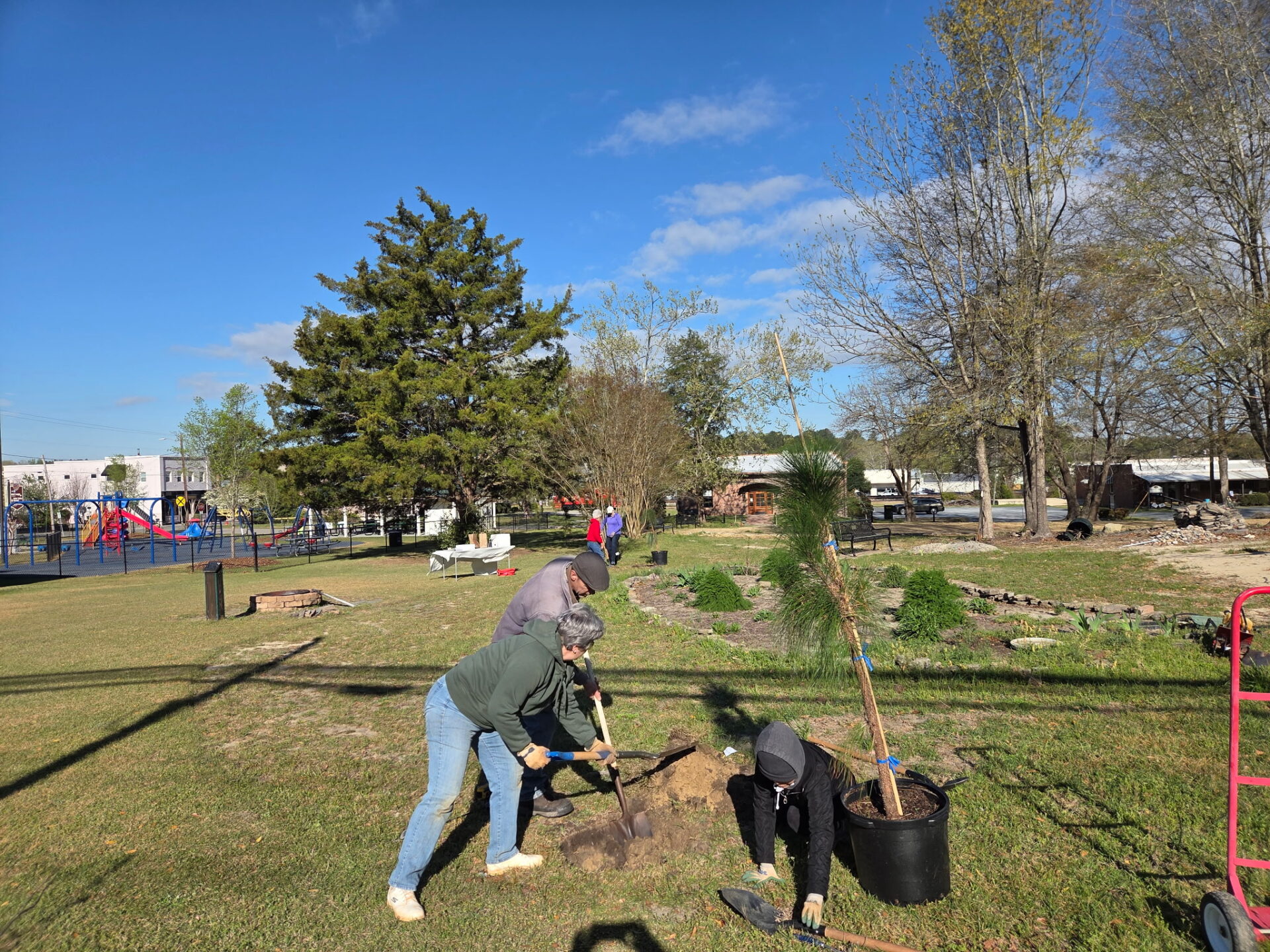
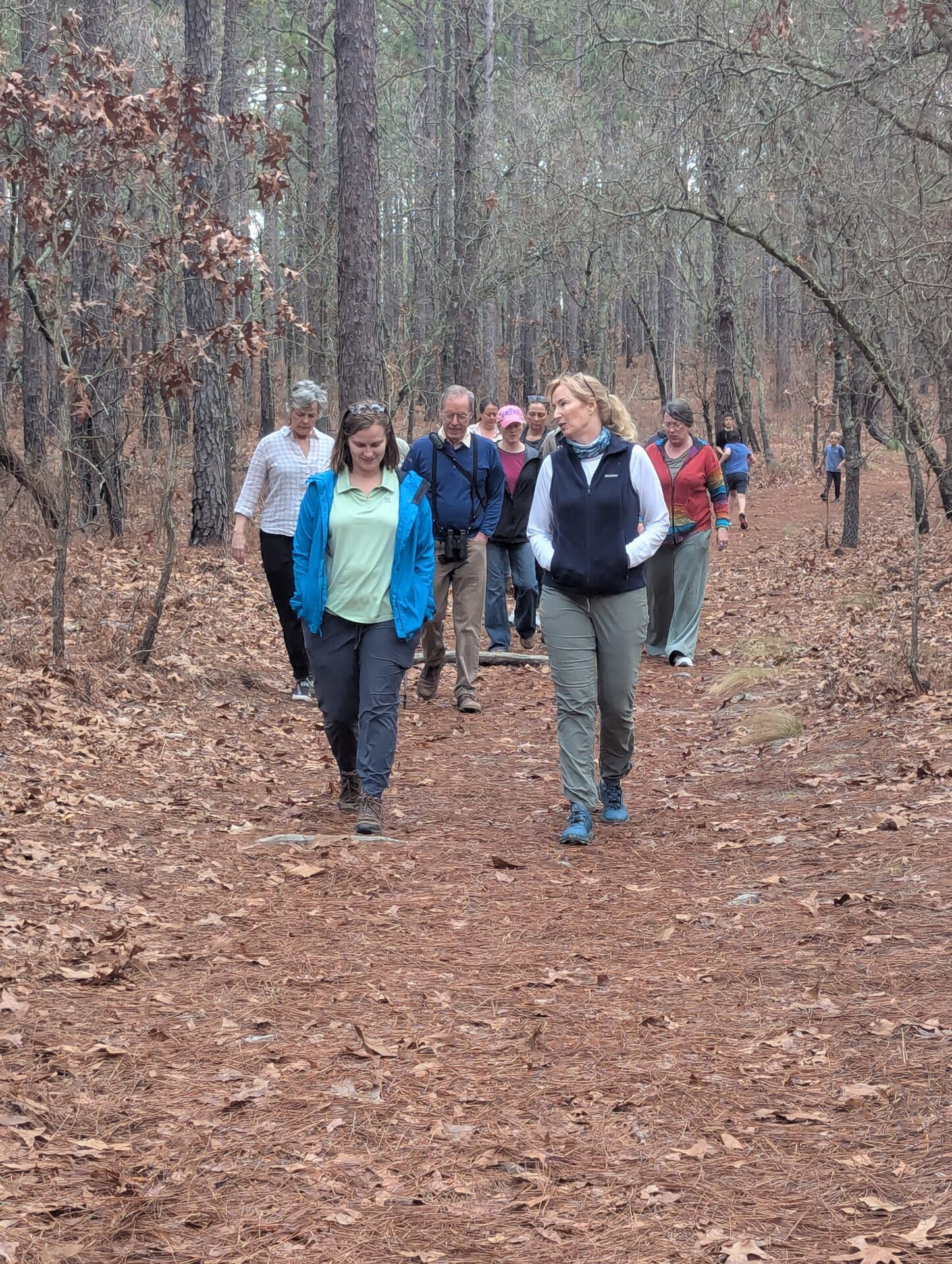
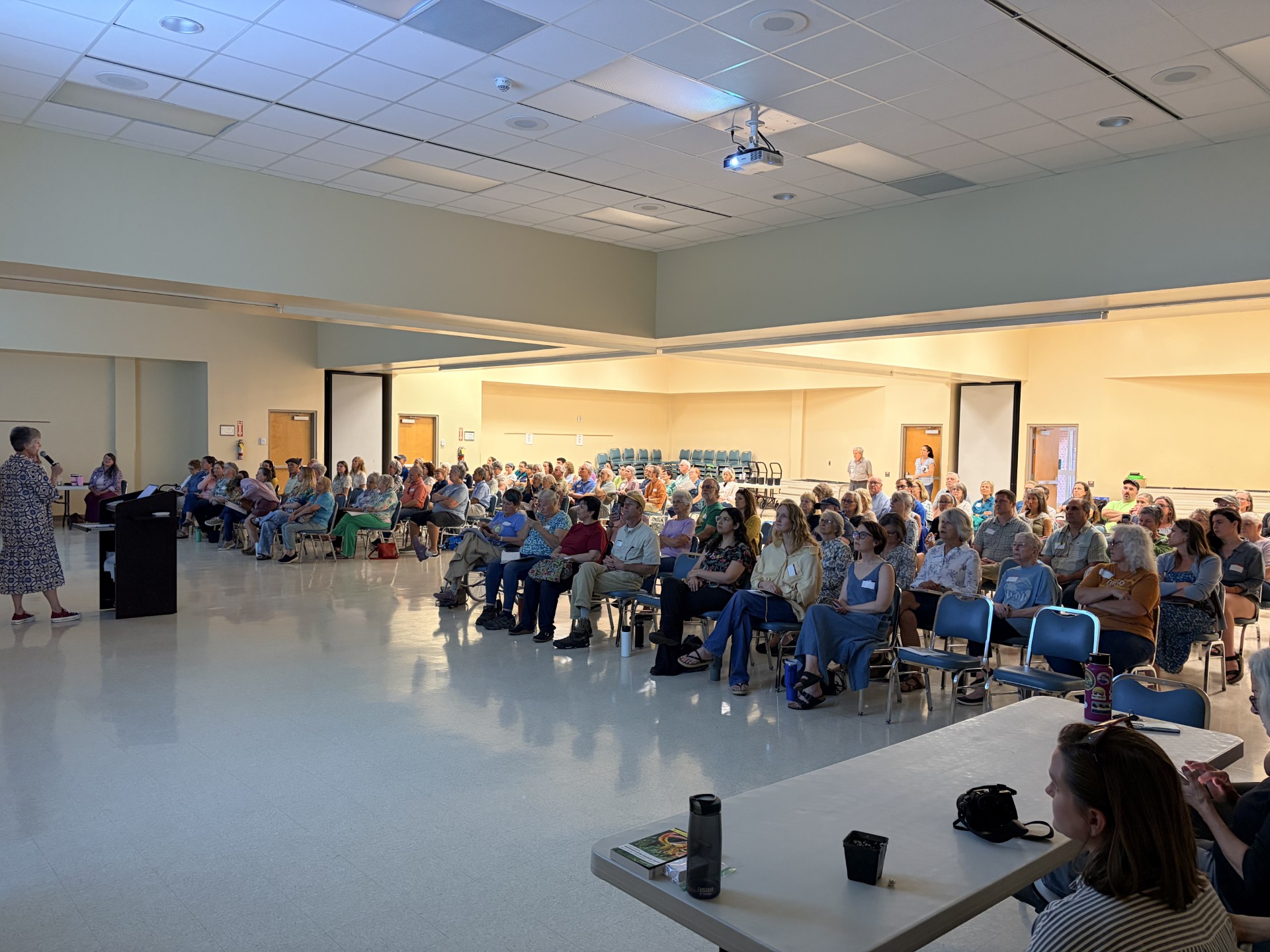
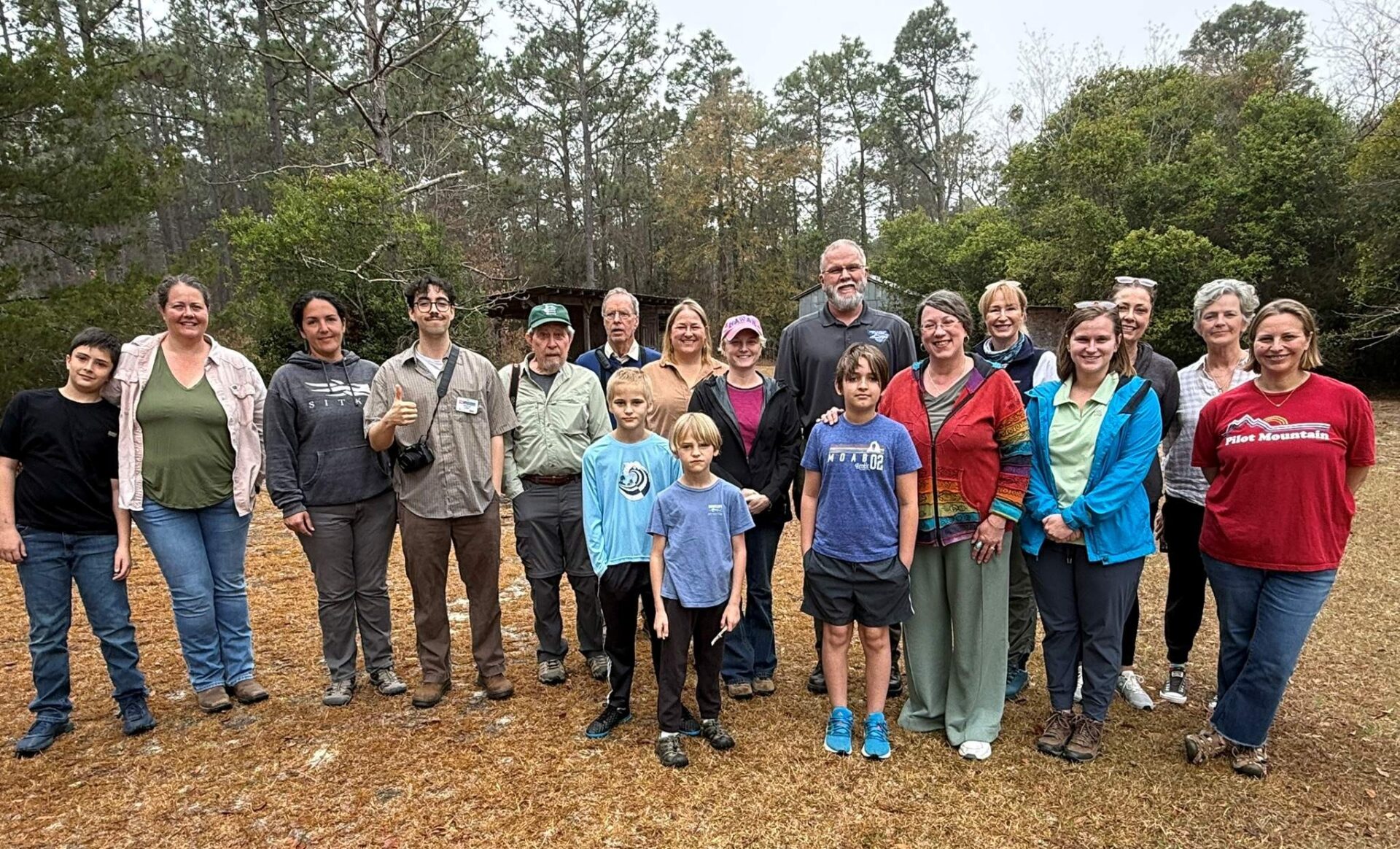
The Sandhills Chapter had their first meeting with over 120 attendees and exceeded all expectations! Chairwoman Cami Gregg introduced the Sandhills Chapter, and guest speaker Bruce Sorrie shared insights on native plants and the region’s diversity. The event concluded with a plant raffle, book signing, and time for attendees to connect. At another event, we met at Pyxie Moss Trail/Paint Hill Tract of the Weymouth Woods Sandhills Nature Preserve, for a tour led by Bruce Sorrie. Pyxiemoss (Pyxidanthera barbulata) is a rare, tiny flowering plant (not a true moss) that’s narrowly endemic to the Sandhills, found in a few counties of North Carolina and nearby South Carolina.
At our first plant restoration project, volunteers planted a variety of native trees last March for a local Aberdeen library. It was a perfect 55-degree morning, and the enthusiastic volunteers came and left with smiles.
Southeast Coastal Chapter
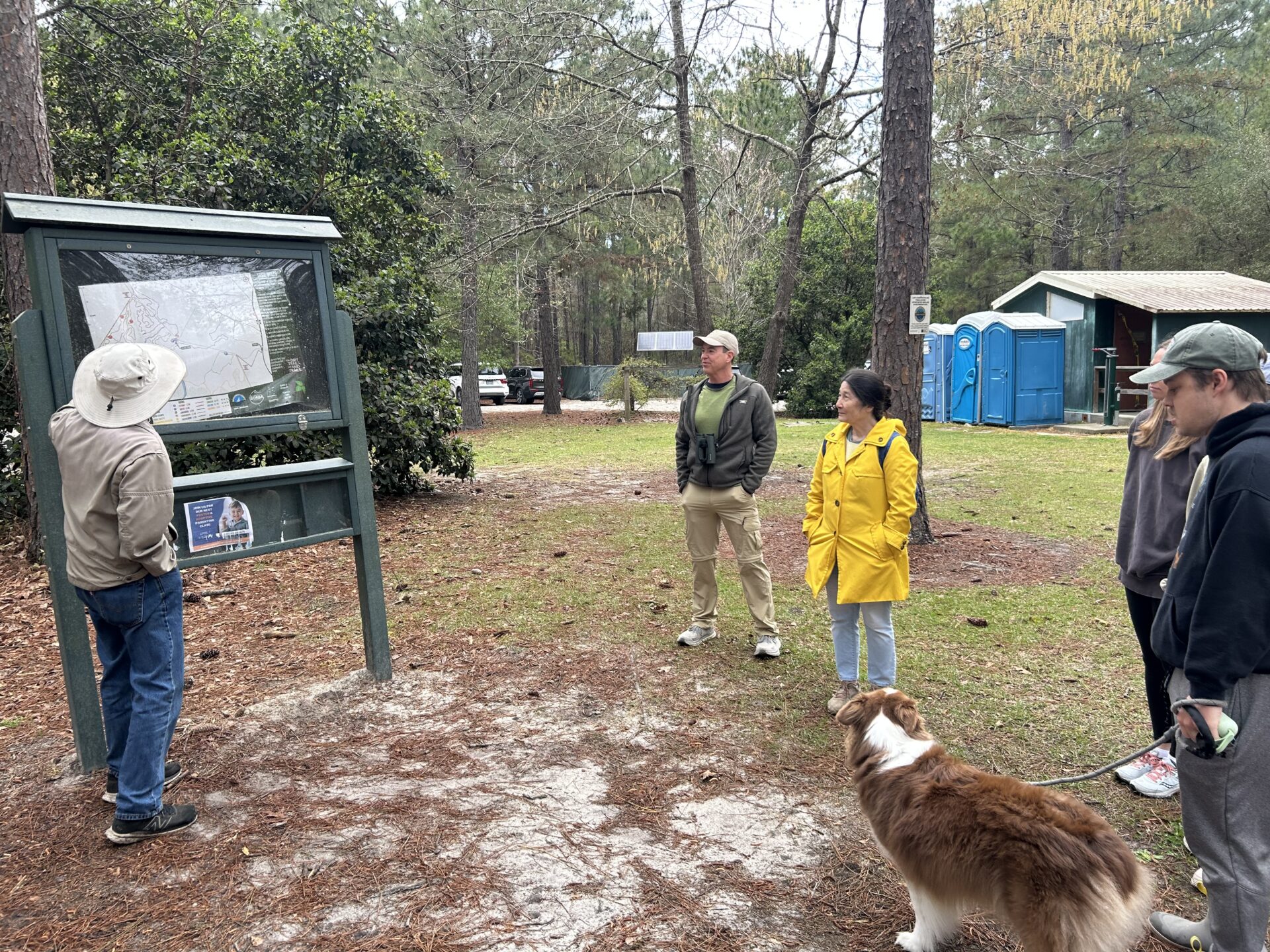
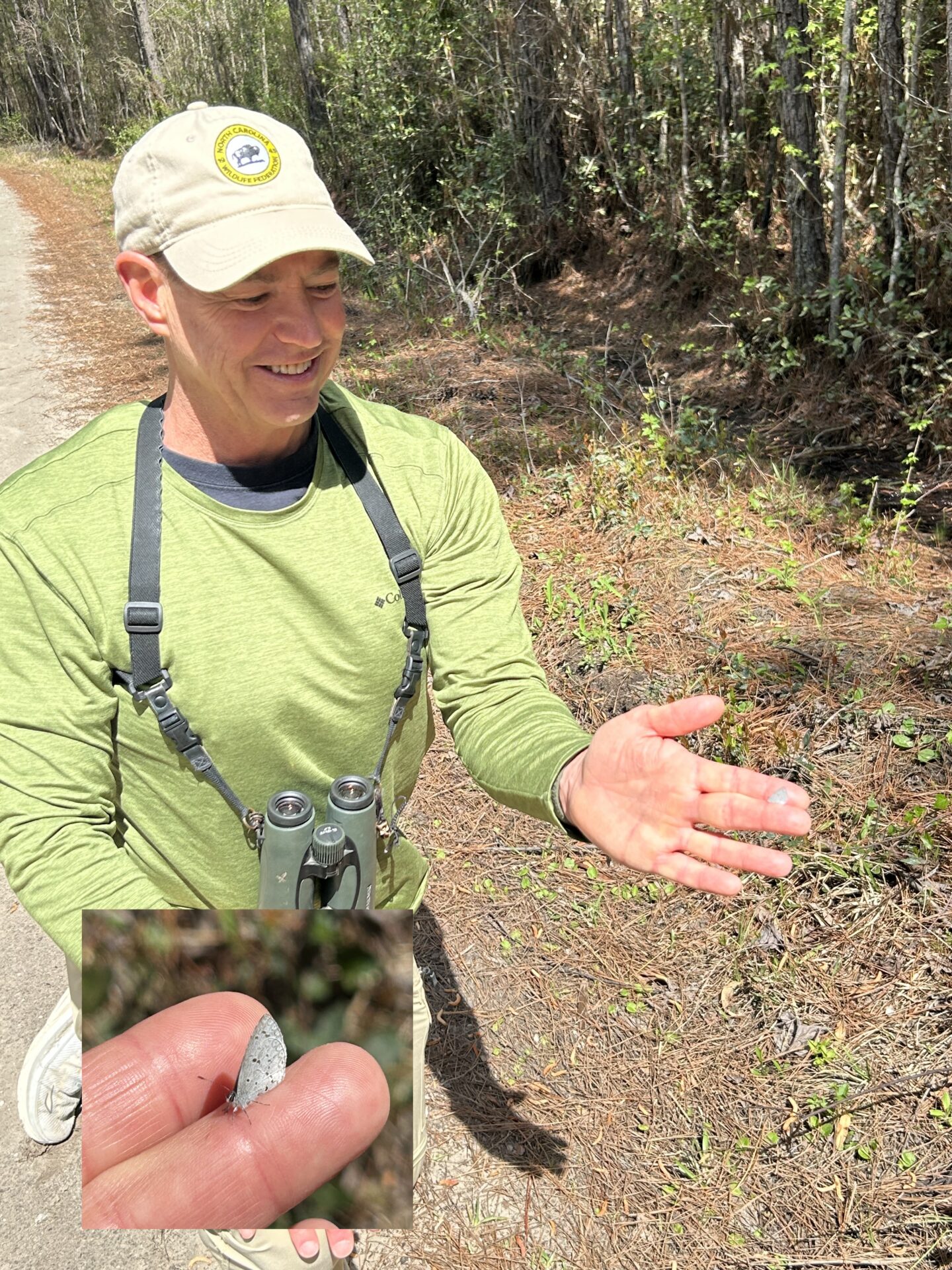
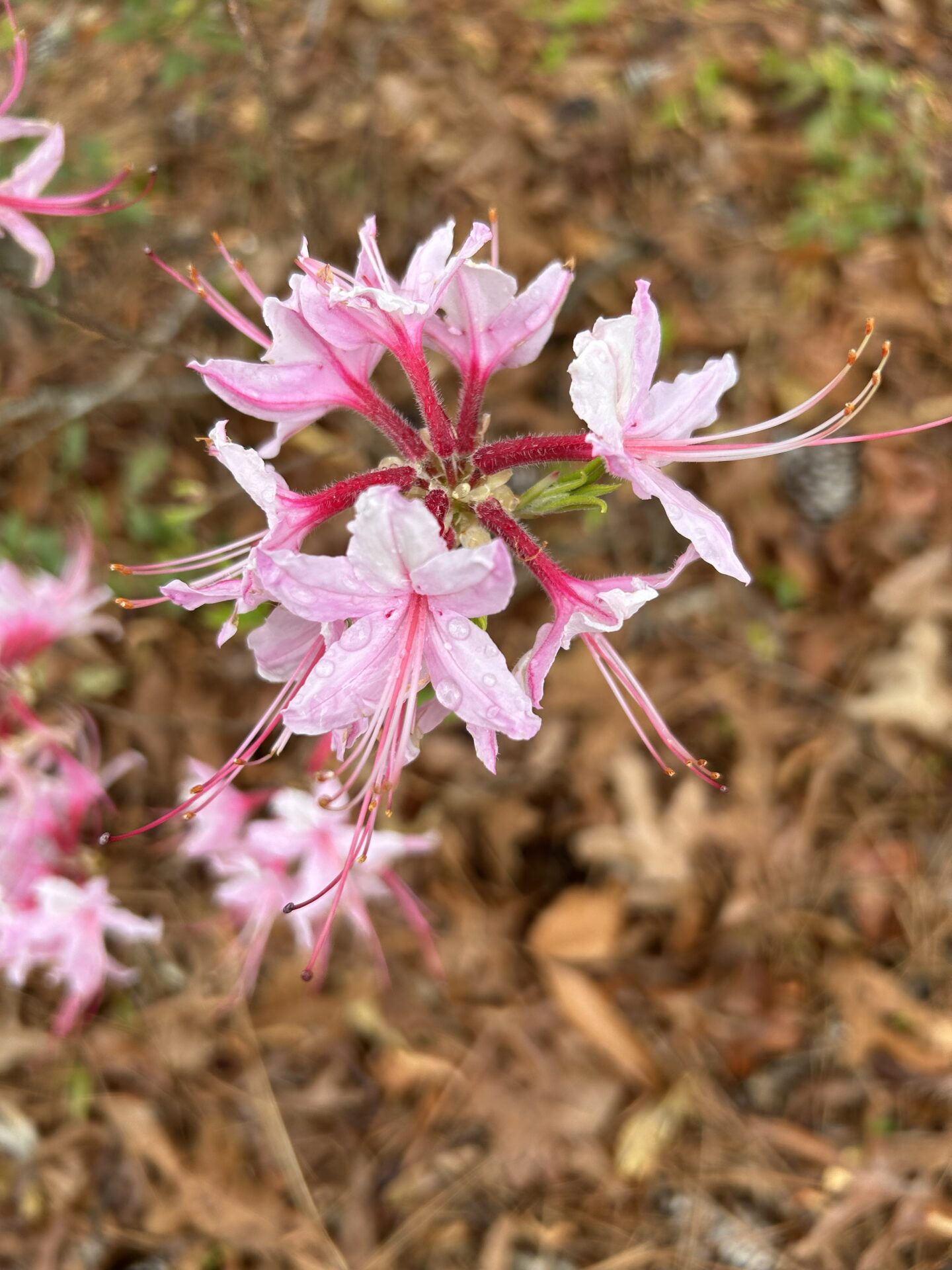
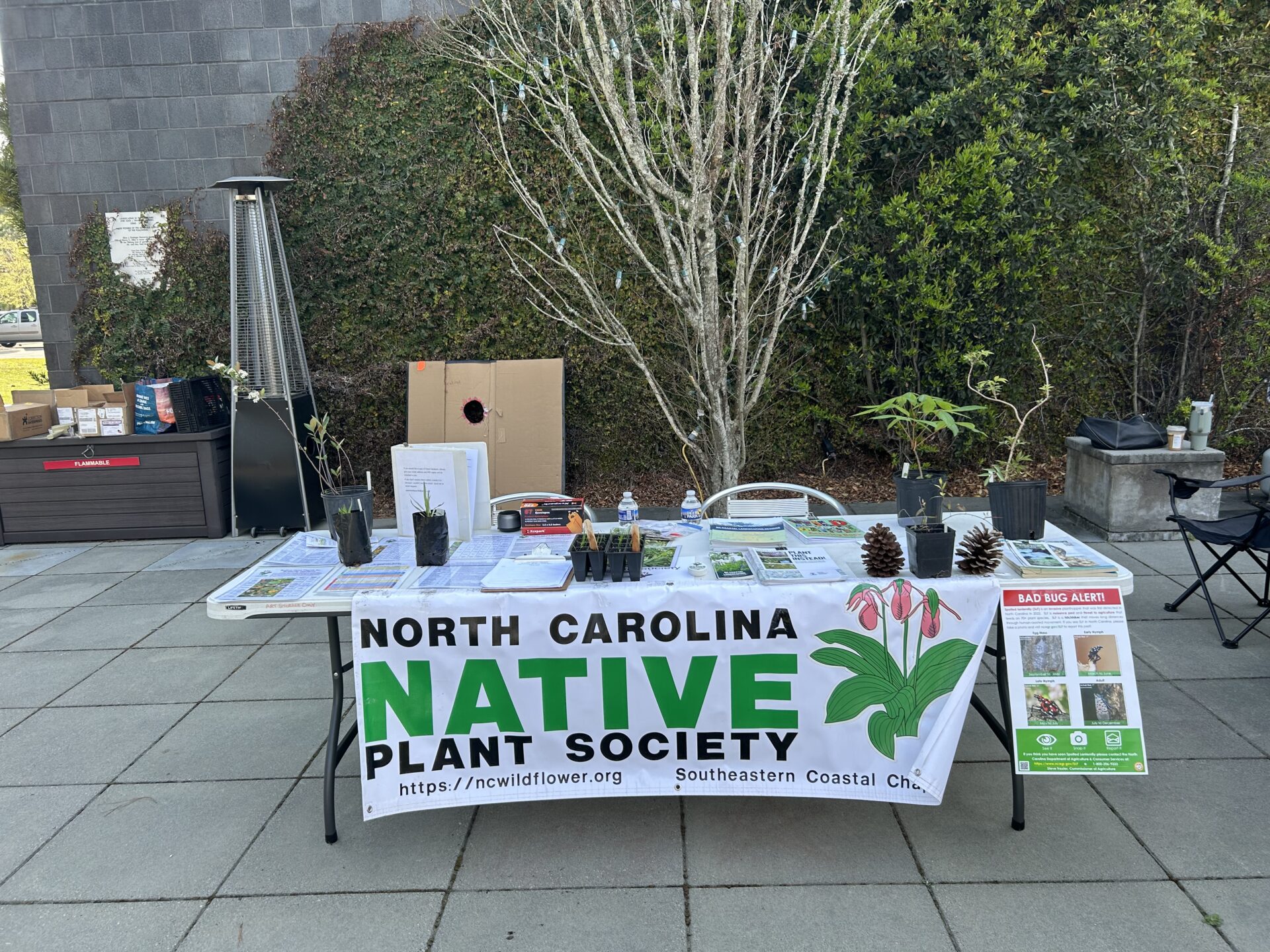
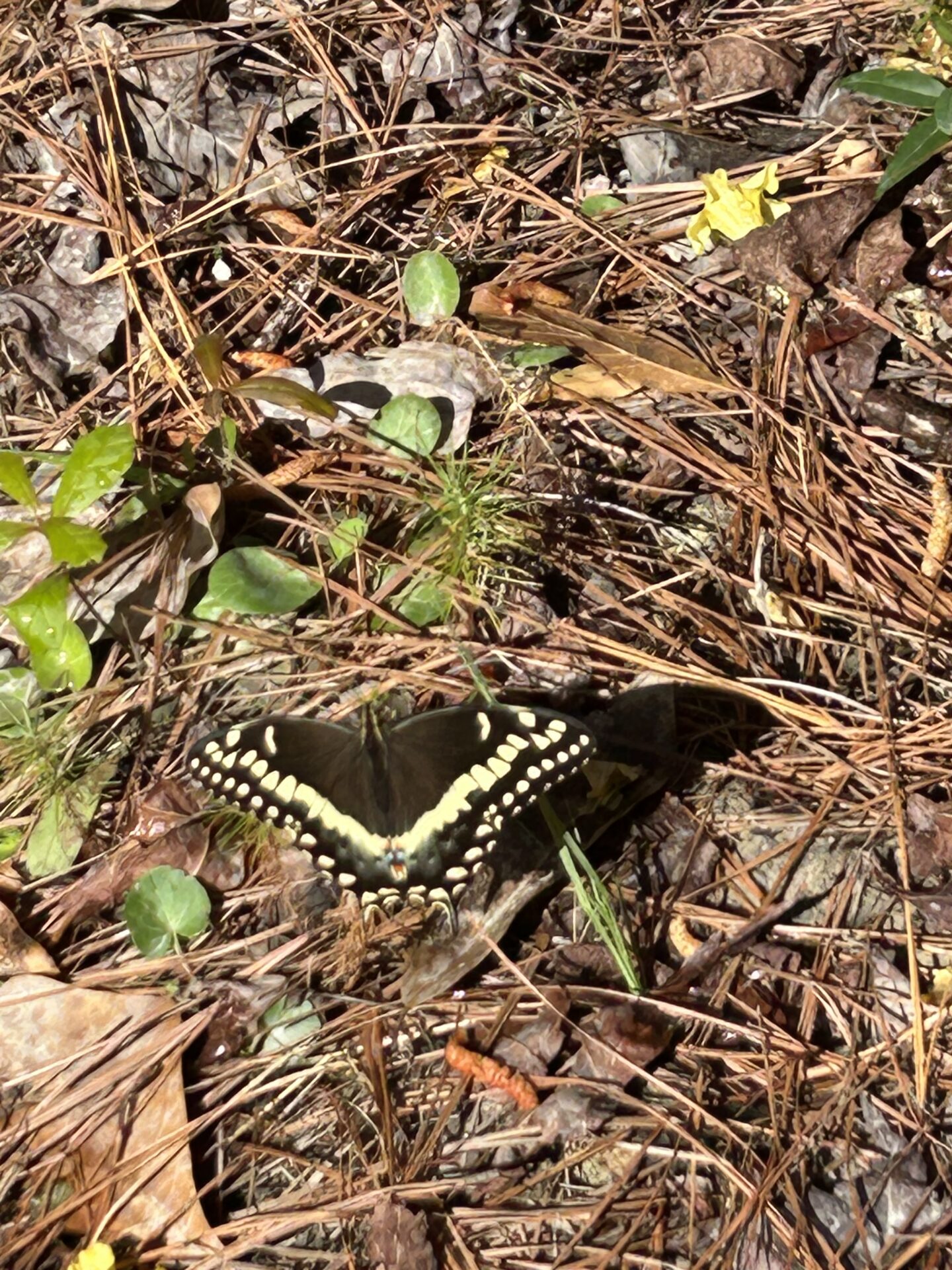

Southeast Coastal Chapter members volunteered at the Cameron Art Museum Community Day entitled “Neighbors for Nature,” where we handed out native plant information and led several walks around the grounds with Duane Truscott.
Other activities included a walk at the Brunswick Nature Park and a butterfly workshop conducted by Jeff Pippen to recruit citizen scientists to survey butterflies and add to the database of butterfly populations throughout North Carolina.
At Brunswick Nature Park, native azalea was the prime showcase. The question was if it was Wild Azalea (Rhododendron periclymenoides) or Piedmont Azalea (R.canescens). The former is more common in upstate North Carolina, while Piedmont Azalea only occurs in the southeasternmost counties. Ecologically, the creek margin habitat we saw was more likely associated with Piedmont Azalea.
Triad Chapter

Click on a picture to scroll through the gallery and view individual captions.
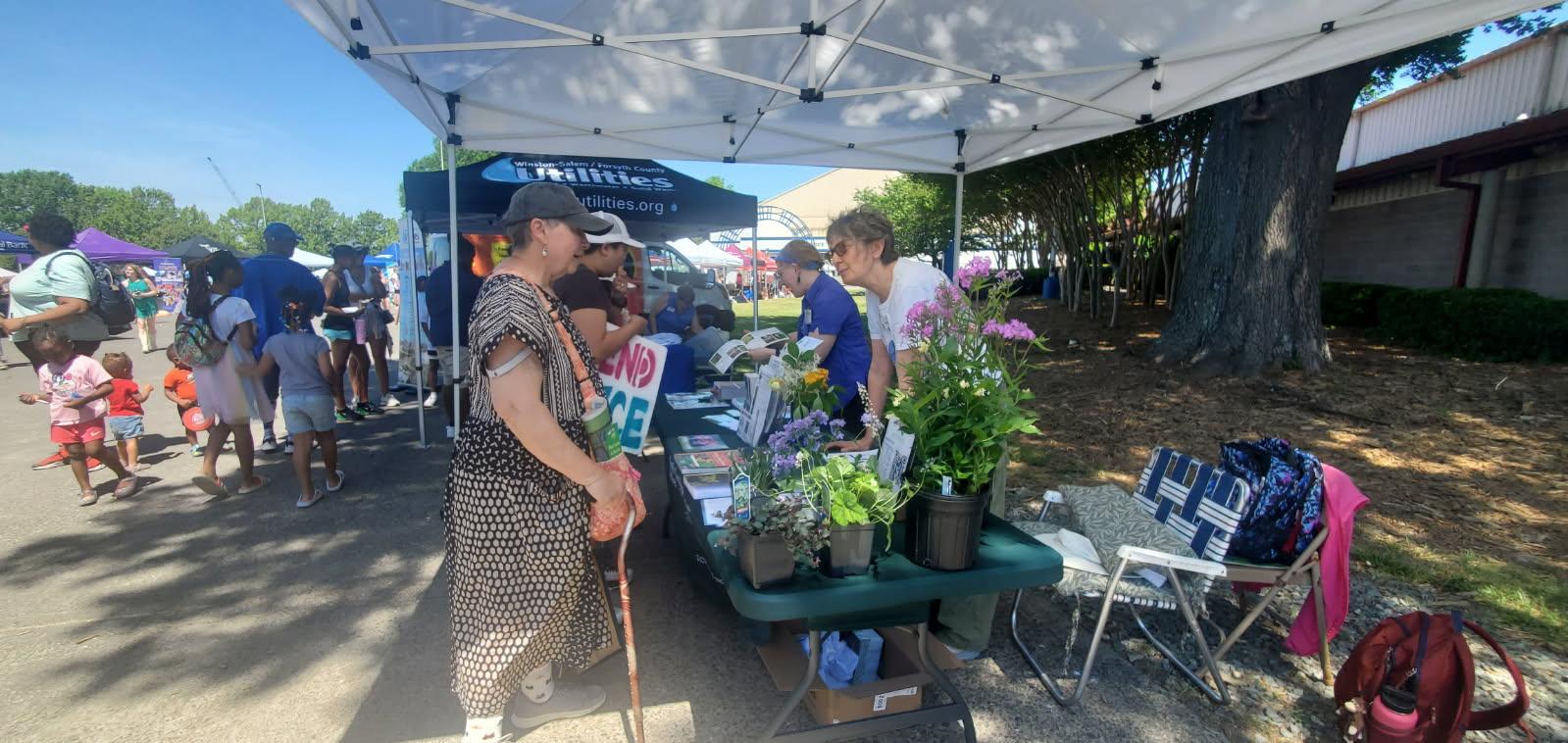
Triad Chapter members spent time on a tabling outreach day at Piedmont Earth Day to the tune of thousands of visitors at the event. Over 6,500 attendees visited the event at Winston-Salem Fairgrounds on April 18th.
Uwharrie Chapter
Click on a picture to scroll through the gallery and view individual captions.
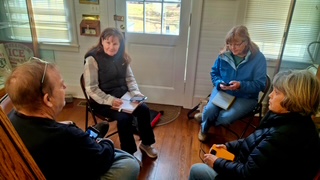
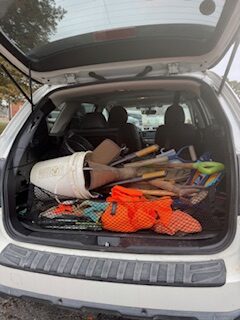
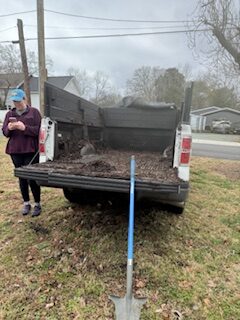
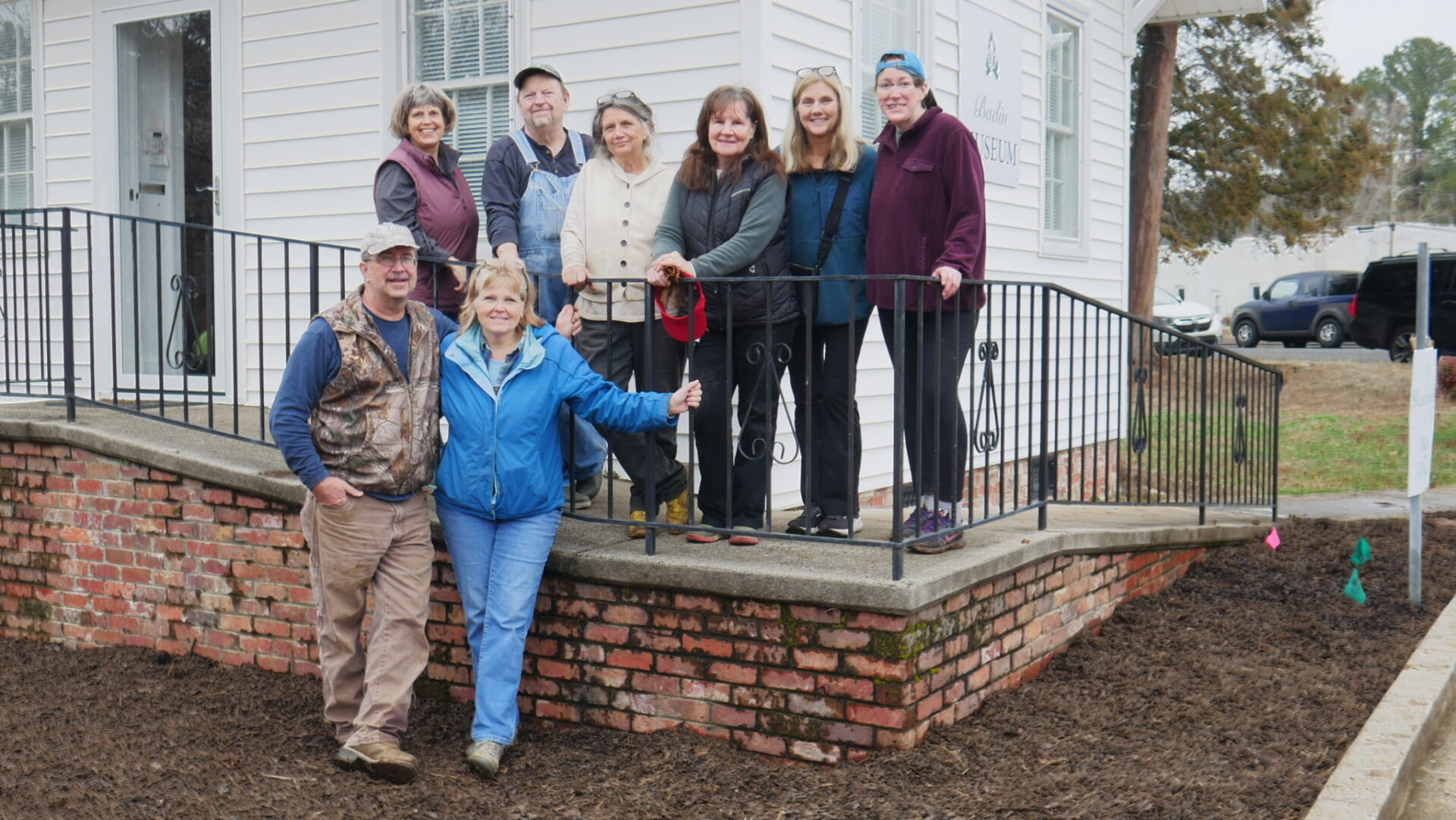
The Uwharrie Chapter’s garden team planned and designed a native plant garden for the Badin Museum in Badin, North Carolina. The effort required a large load of mulch, lots of backbreaking work to move the mulch to build beds, digging holes, and planting.