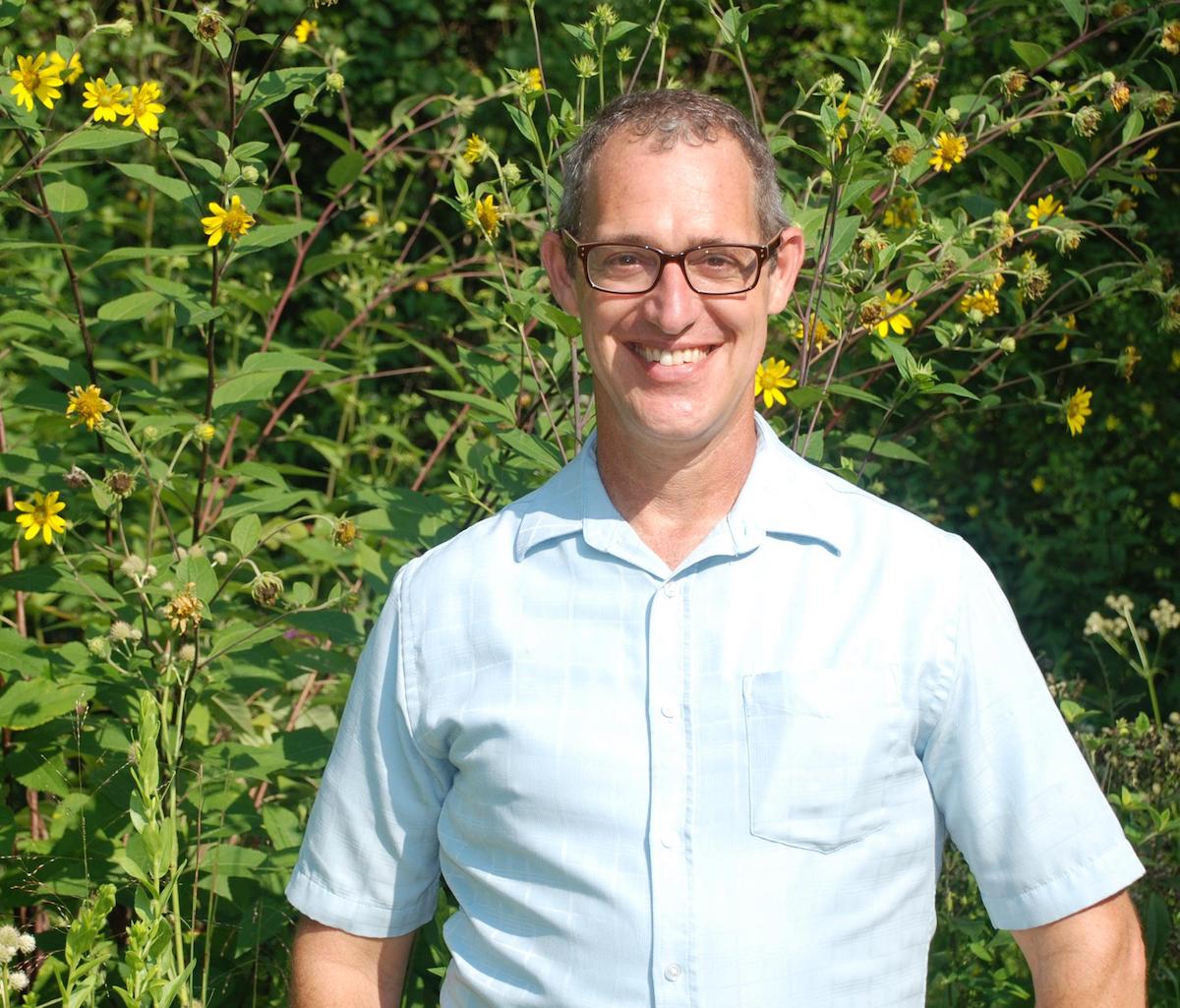
Versatile, Vivacious (and even some vexing) Viburnums with Daniel Stern

What’s that white flowering plant in the woods? Could it be a viburnum? Your question may be answered in the Triad NCNPS’s March 2, 7:00 p.m. presentation via Zoom by Daniel Stern, Director of Horticulture at North Carolina Botanical Garden in Chapel Hill.
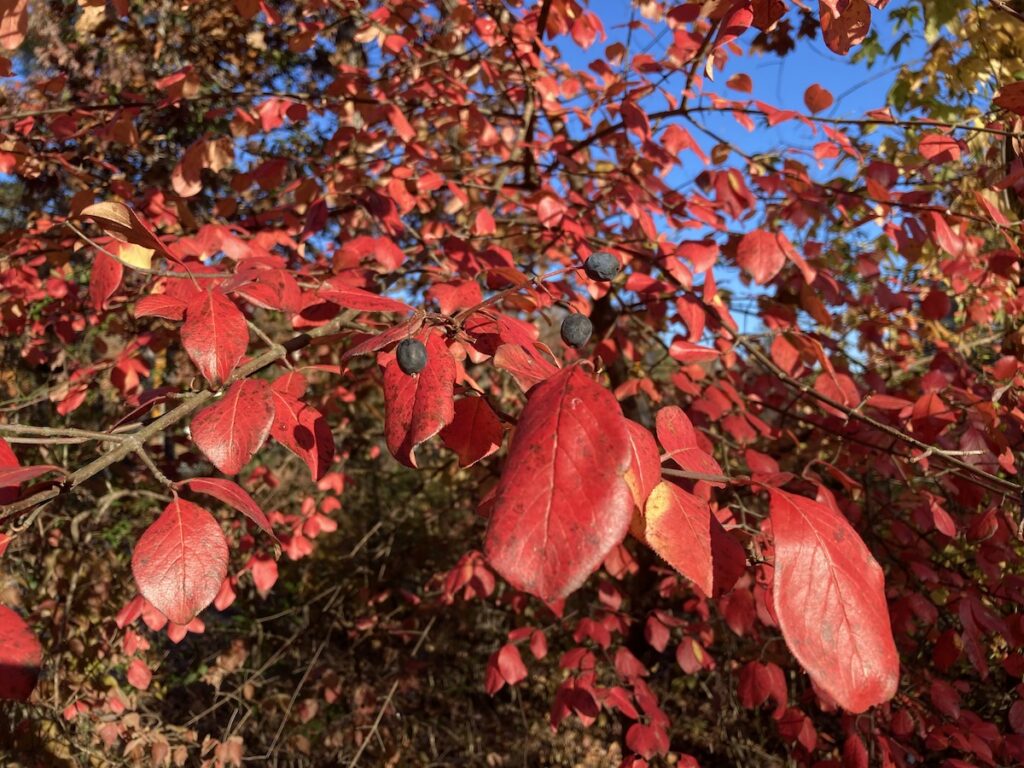
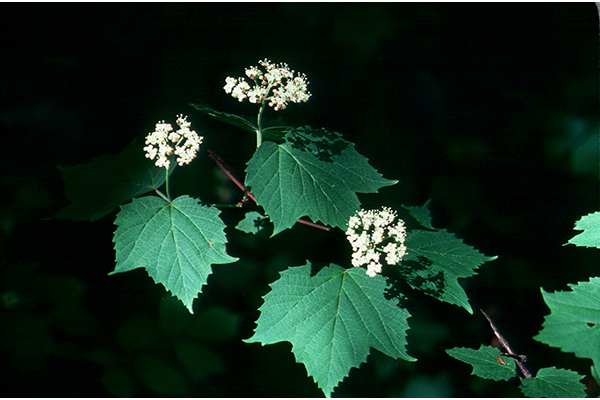
With upwards of a dozen species of viburnums native to different parts of North Carolina, viburnums represent an important part of our understory from the mountains to the coast, Dan says. This genus is important to wildlife, he adds, providing food for a wide variety of pollinators, birds, and small mammals. Dan will provide participants an overview of the most recognizable characteristics, distribution, and identification tips for North Carolina’s native viburnum species, as well as some of the roughly half-dozen non-native species and their cultivars that have, to varying degrees, persisted after cultivation and/or naturalized in different parts of the state.
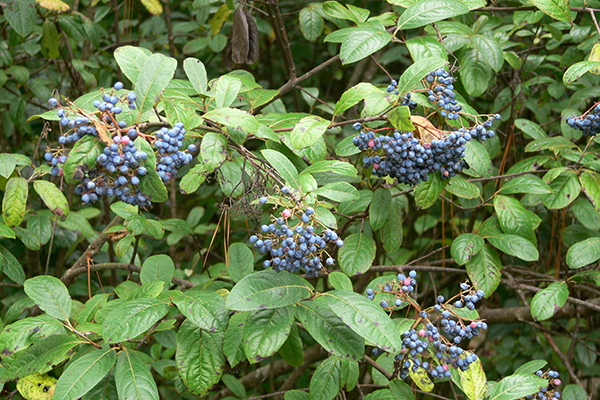
In the cultivated garden, viburnums are often referred to as four-season workhorses that add interest throughout the year. Dan will look at native viburnums through the lens of ornamental horticulture including different ways to use them in the landscape, cultural requirements, noteworthy cultivars, and the biology that informs fruit production.
As Director of Horticulture at the North Carolina Botanical Garden (NCBG) since 2017, Daniel Stern oversees the development, maintenance, plant records and labeling for over 15 acres of cultivated gardens between the NCBG’s main site and the Coker Arboretum as well as the Garden’s “Conservation through Propagation” activities that include seed collection, cleaning and storage, the operation of greenhouse and nursery facilities, and plant sales. In addition, he regularly teaches classes on local tree identification, selection of native woody plants for ornamental gardens, and invasive species.
Dan worked at NCBG in various roles from 1996-2008 while pursuing a BA in Biology at UNC-CH, followed by studies in the Longwood Graduate Program at the University of Delaware where he received the 2009 Louise Roselle Fellowship in Public Horticulture and completed an MS in Public Horticulture in 2010. From 2011-17 Dan worked for the American Public Gardens Association managing their Plant Protection Program. which engages public gardens in the early detection of serious pests and diseases, and develops materials to educate the public about the importance of plants and forest health and the negative impact of invasive species.
This program is free and open to the public, but all must register in advance to receive the zoom link. NOTE: This is different from past Triad webinars. Members and guests must register in advance to receive the zoom link.
Most programs are also posted on the NC Native Plant Society YouTube Channel within a couple weeks (when all goes well). Click on “Playlists” to see programs from each chapter.
Thank you for joining the North Carolina Native Plant Society to learn more about the ecology of our region!!! We look forward to seeing you!
We hope you’ll consider becoming a member, volunteering, and/or helping to promote our education and outreach work by sharing with your friends and family. Thank you again!