Grandfather Mountain Is the Newest Certified Habitat

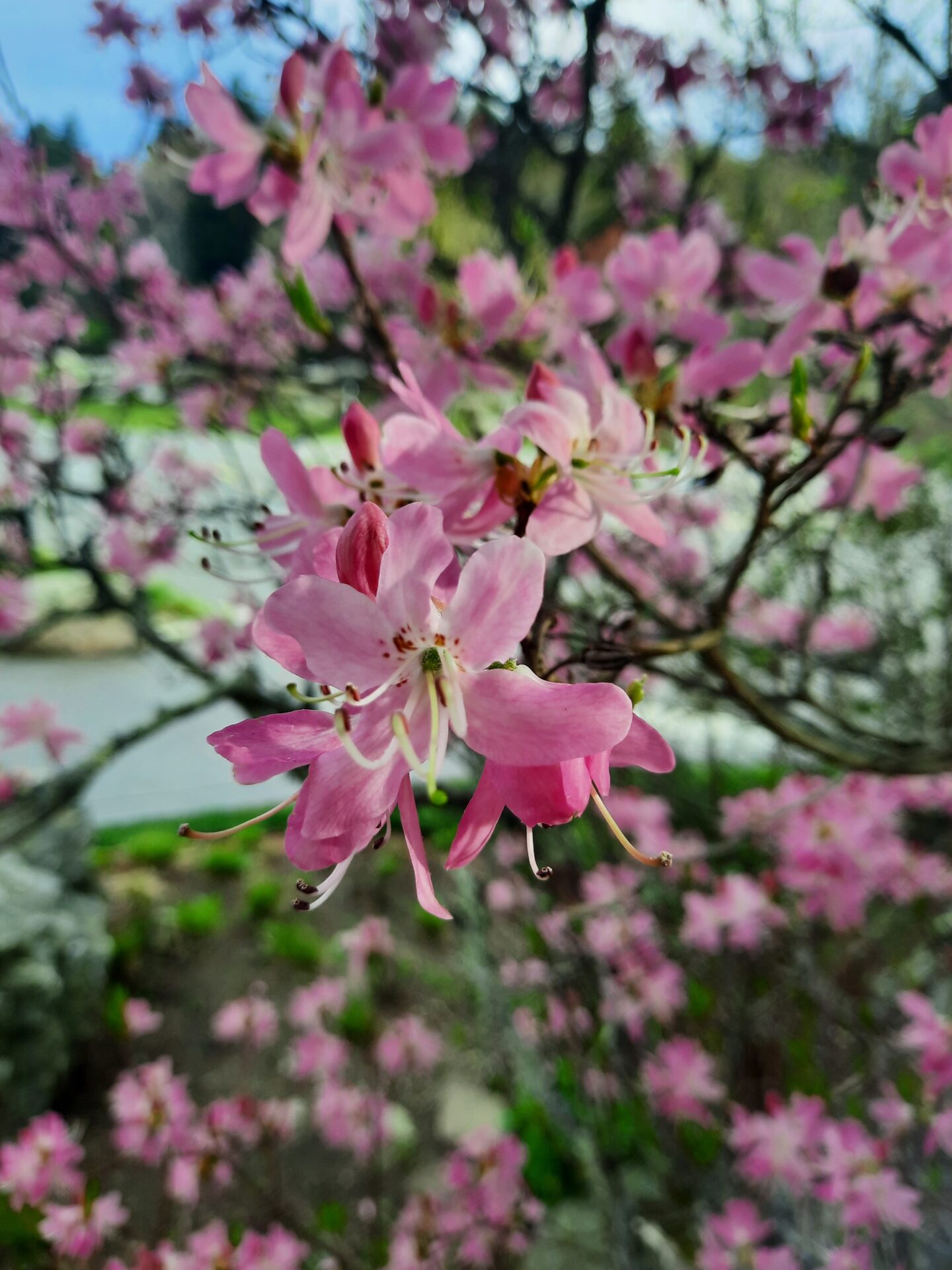
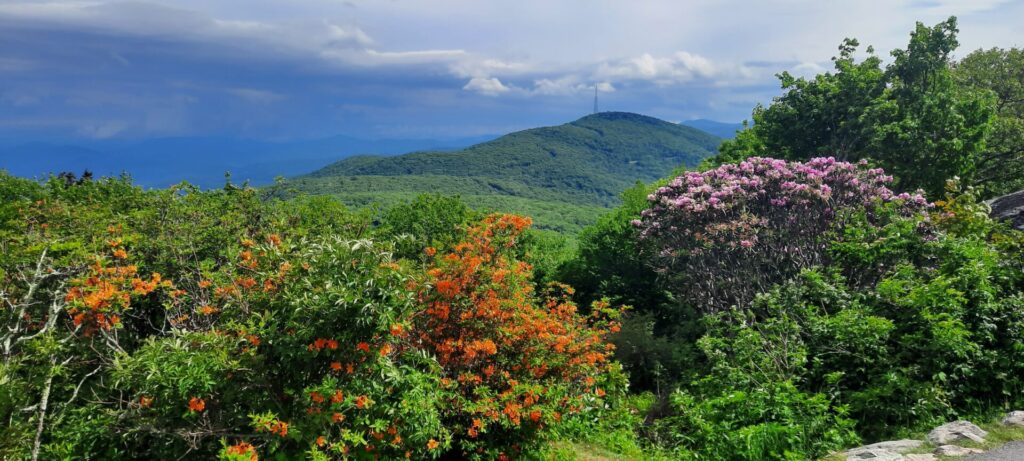
Flame Azalea (Rhododendron calendulaceum) and Catawba Rhododendron (Rhododendron catawbiense) at the bottom of the garden path.

Text and all photos by Elizabeth Trott reporting for Native Plant News Summer 2026

Grandfather Mountain Stewardship Foundation is proud to have certified the Cobey Botanical Garden as a Native Plant Habitat through the North Carolina Native Plant Society.

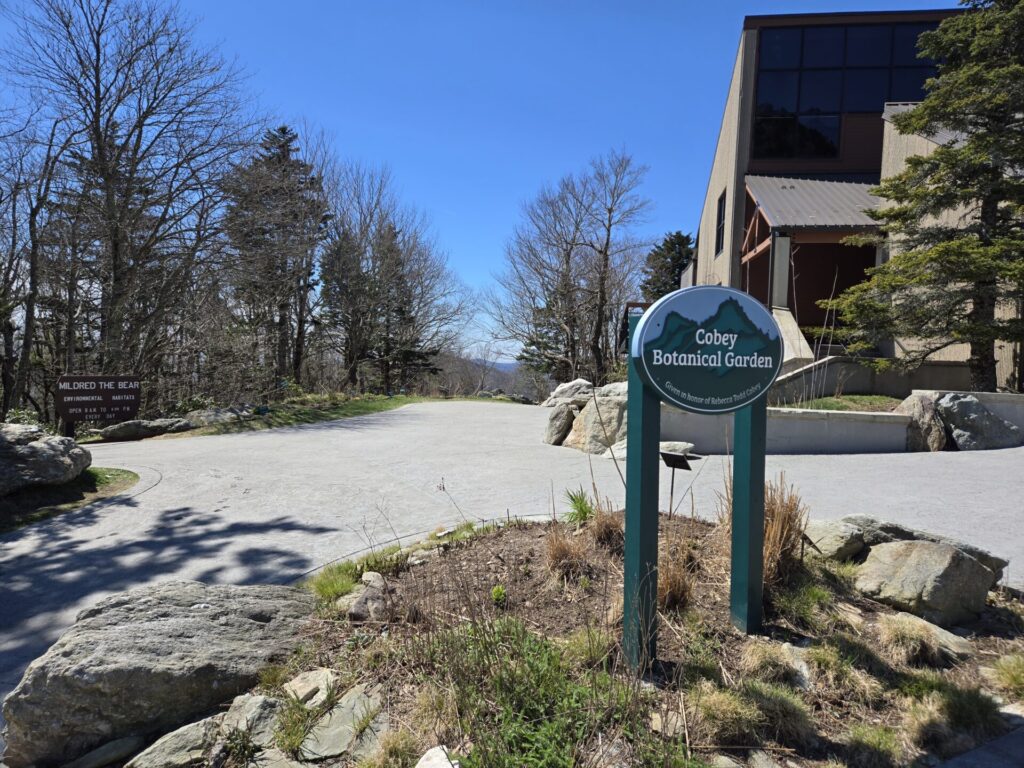
Cobey Botanical Garden entrance just outside the nature museum.

Designed by landscape architect Ron Cutlip and horticulturist Lee Carlton, the Cobey Botanical Garden is named in honor of Rebecca Todd Cobey by benefactors Munroe and Becky Cobey. 

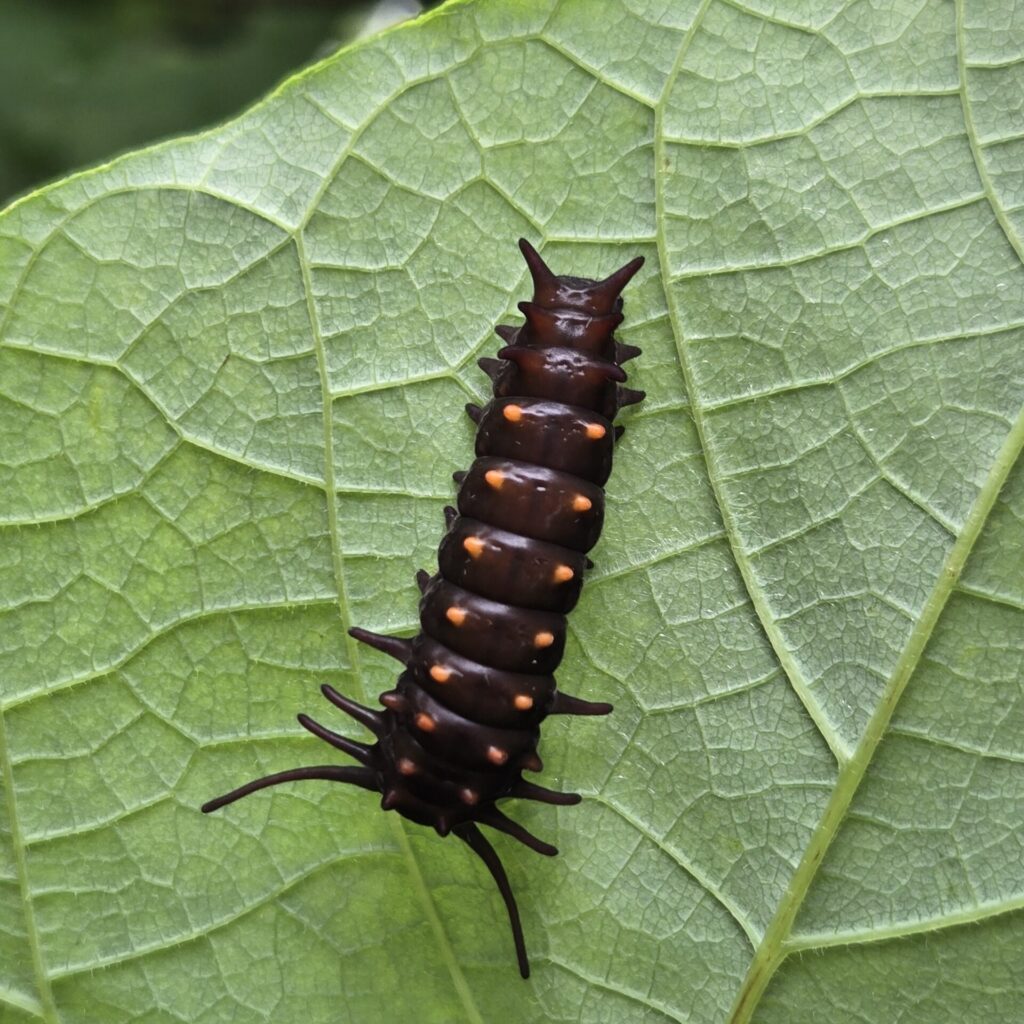
The goal is for our garden to be a place of vibrant beauty and biodiversity. By planting a wide variety of native mountain plants, we are hoping to attract and support insects and other creatures. Some of these creatures require a specific host plant to reproduce – such as the Pipevine Swallowtail on Dutchman’s Pipe (Isotrema macrophyllum). 

Pipevine Swallowtail caterpillar (Battus philenor).

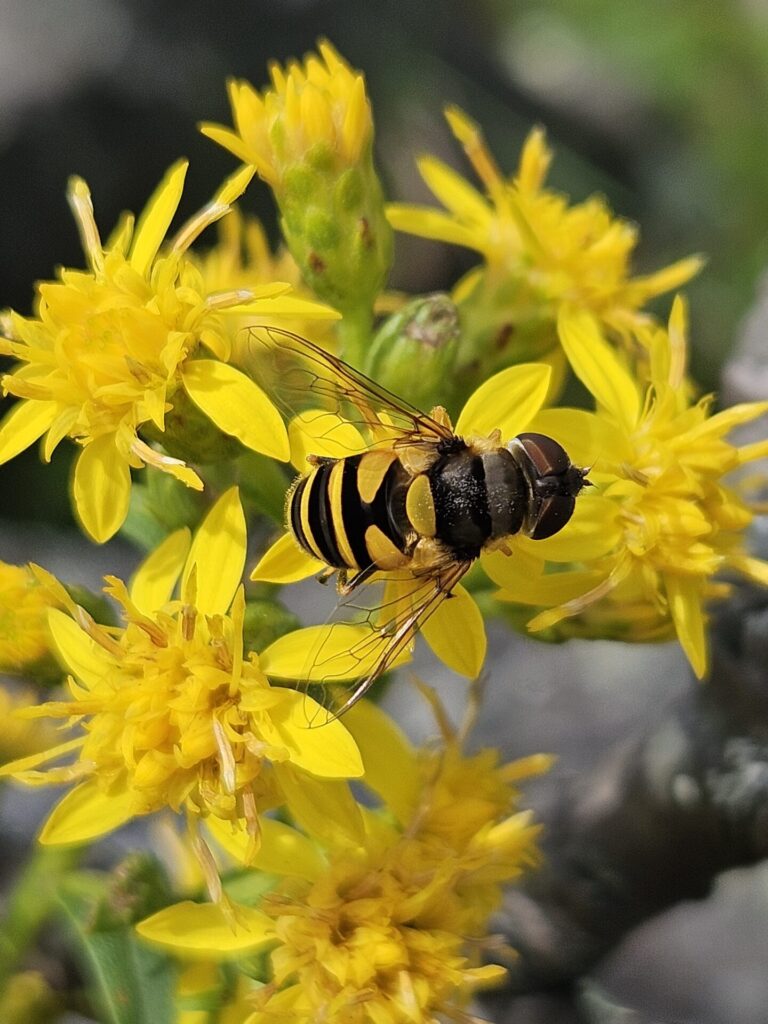
Our native plants will also feed nectar and pollen to the multitudes of pollinators we are hoping to attract and survey.

A pollinator gathering nectar and pollen.

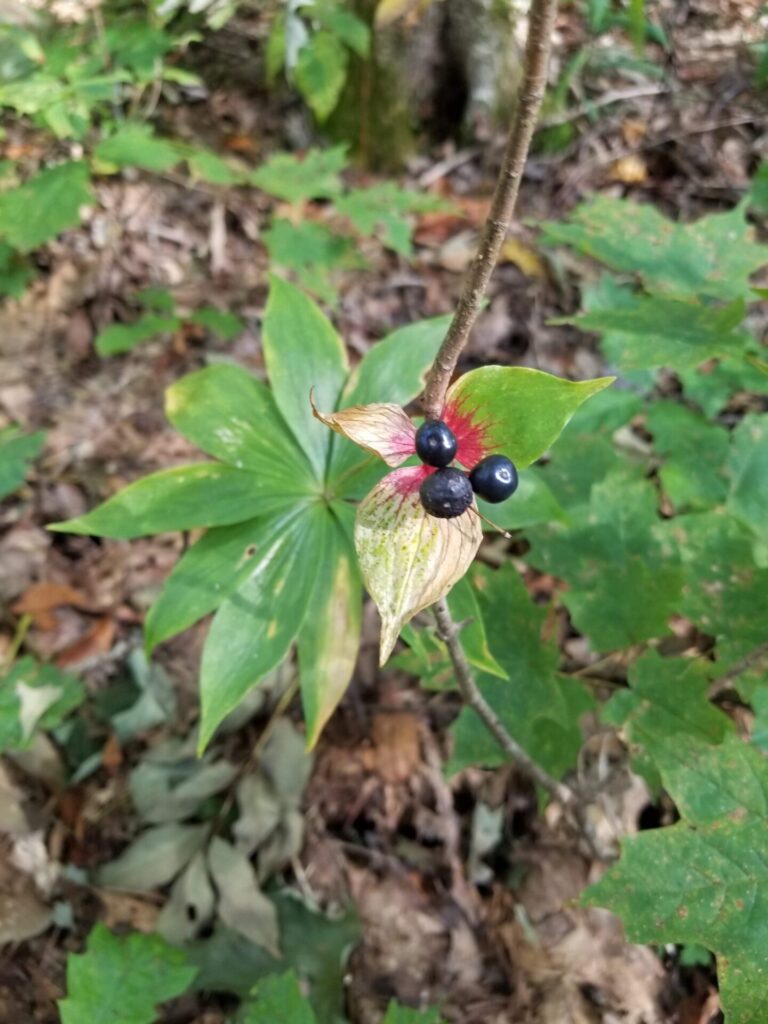
The fruits and seeds of our garden will support bird and insect life throughout the year.

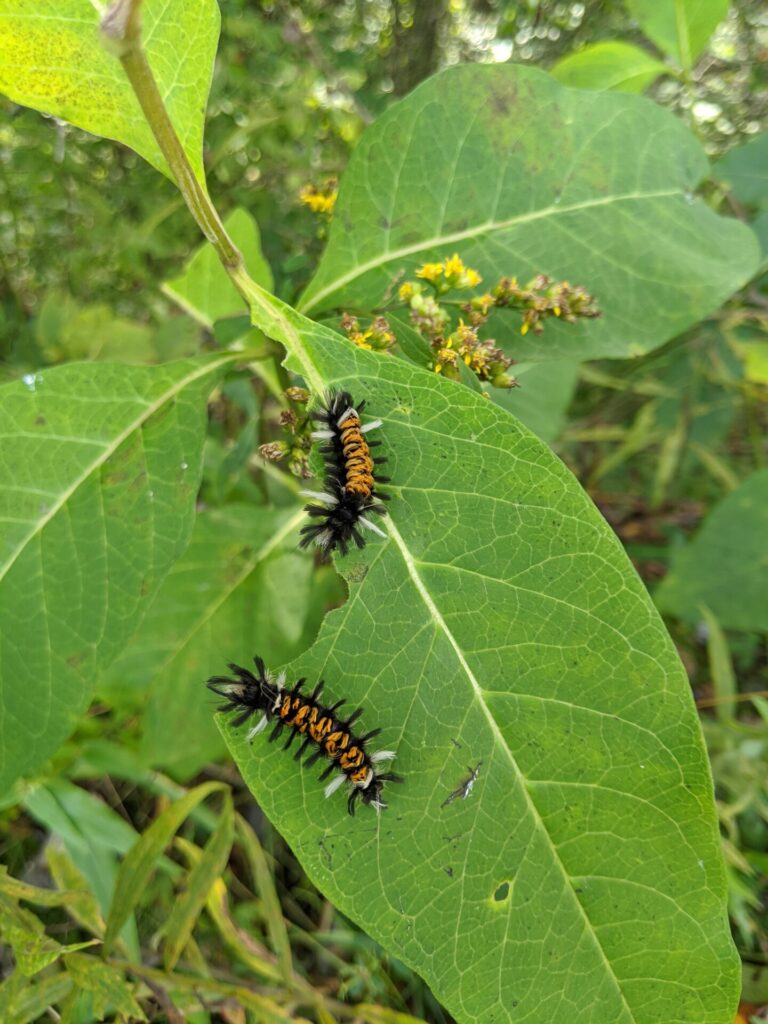
By increasing our caterpillar count we’ll be supporting the birds that raise their young on that great protein source. We forecast that the increase in caterpillars will also support a number of parasitic wasps, as well.

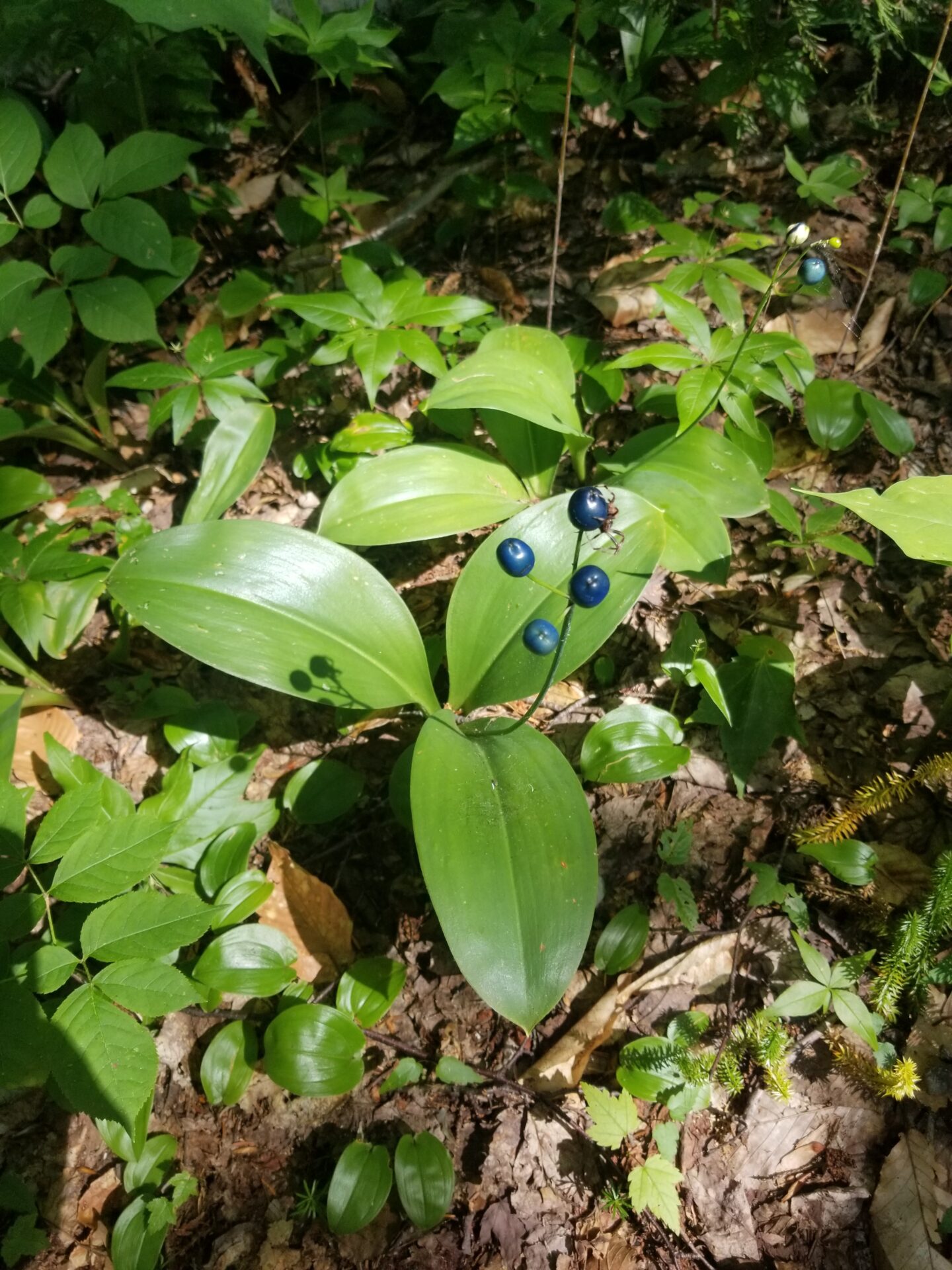
Indian Cucumber-root (Medeola virginiana) in fruit.
Milkweed Tussock Moth caterpillar (Euchaetes egle) on a milkweed plant (Asclepias sp.).

The garden will be an exploration zone and will provide an opportunity to educate all ages about the important connections between plants and all creatures.

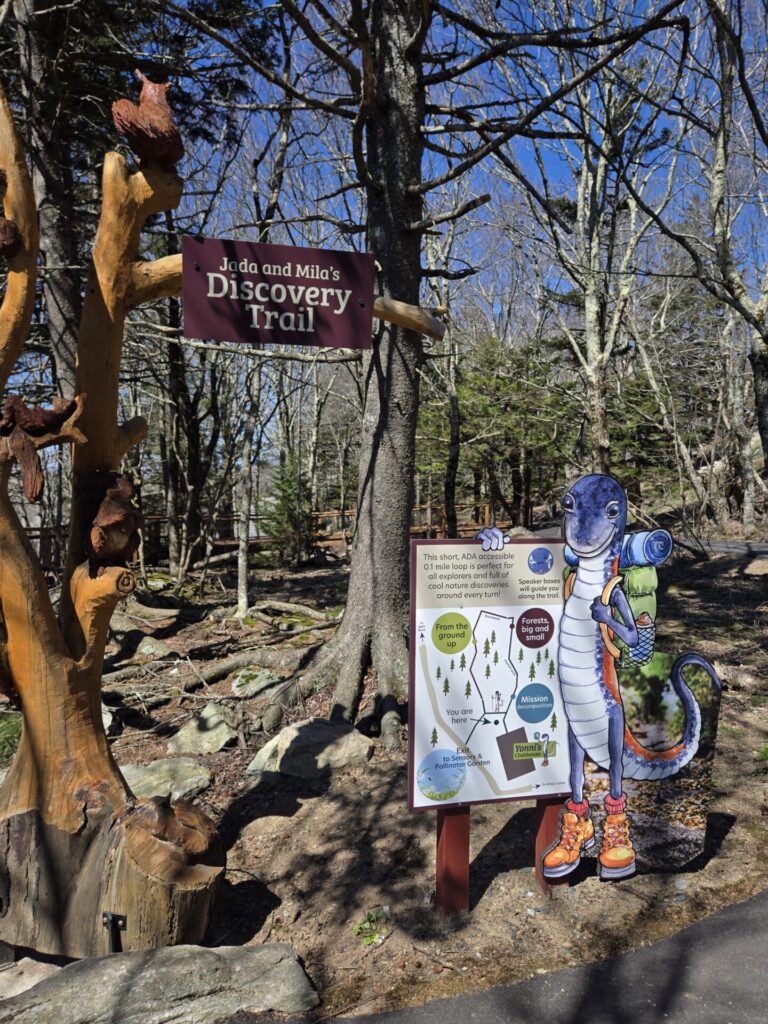
Discovery Trail.

 As a conservation and education nonprofit, we

  • Lead garden rambles throughout the year
  • Host over 10,000 children a year visiting the mountain for field trips
  • Hold adult field courses that dip into our botanical garden for educational exploration


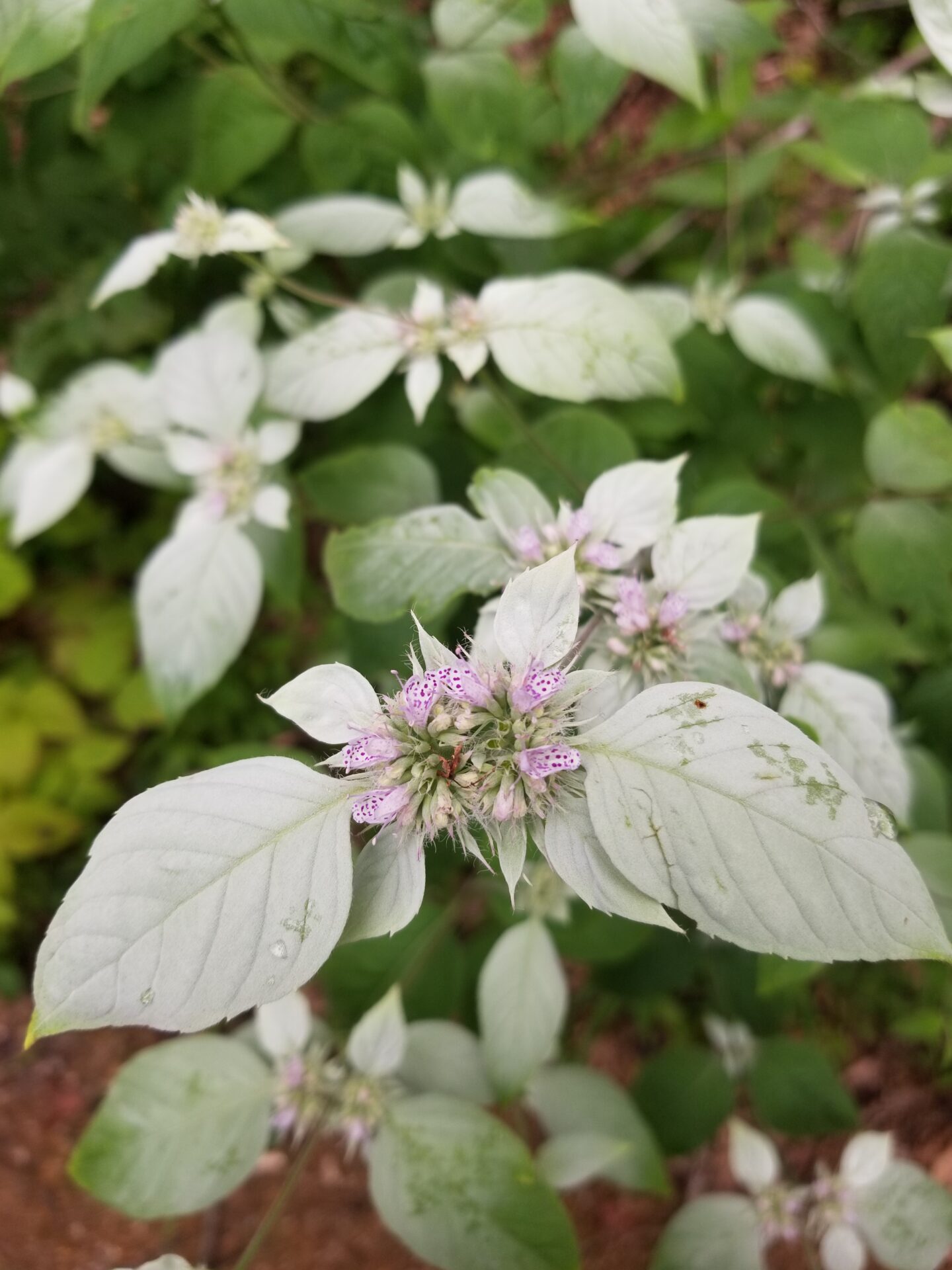
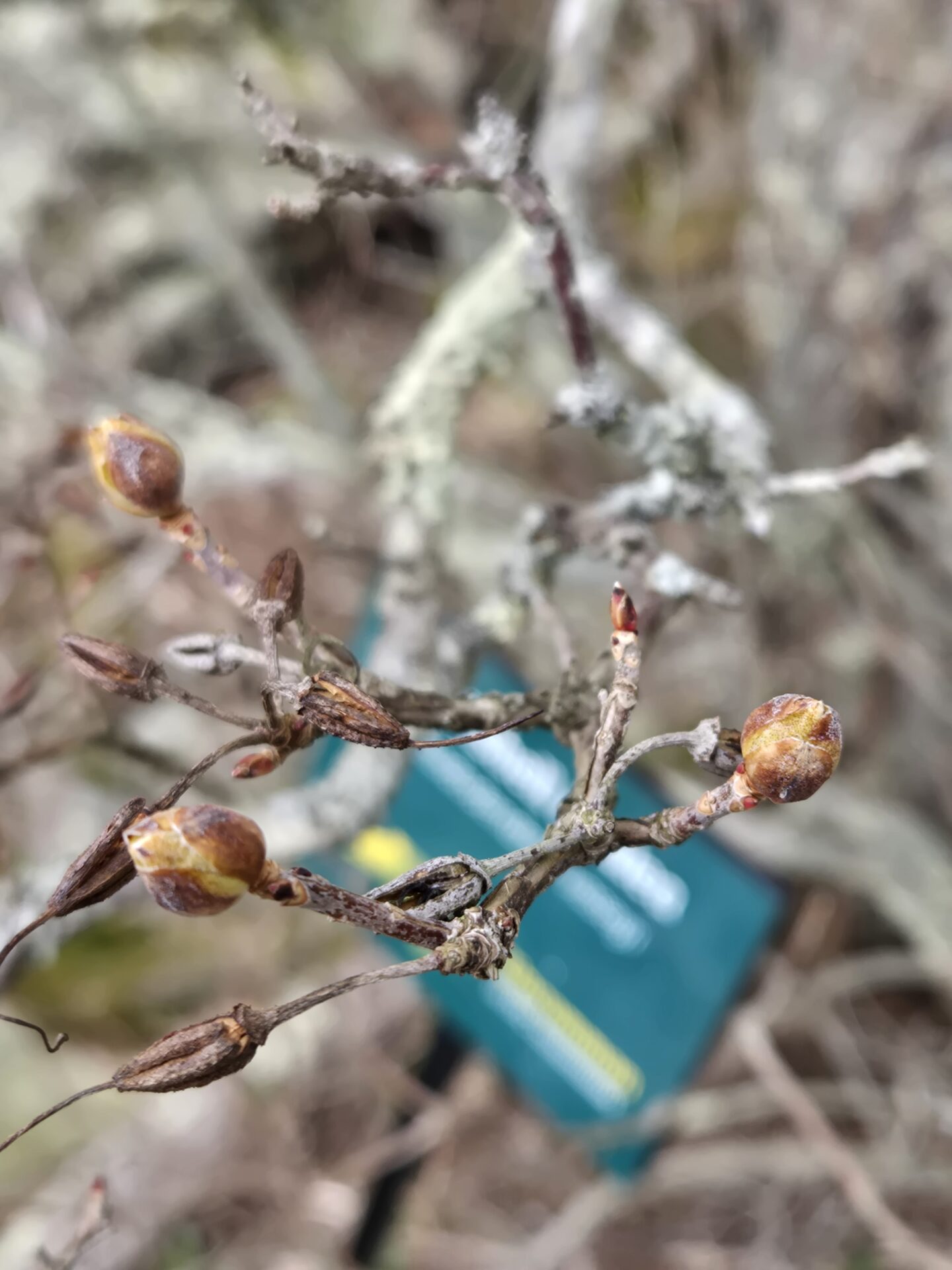
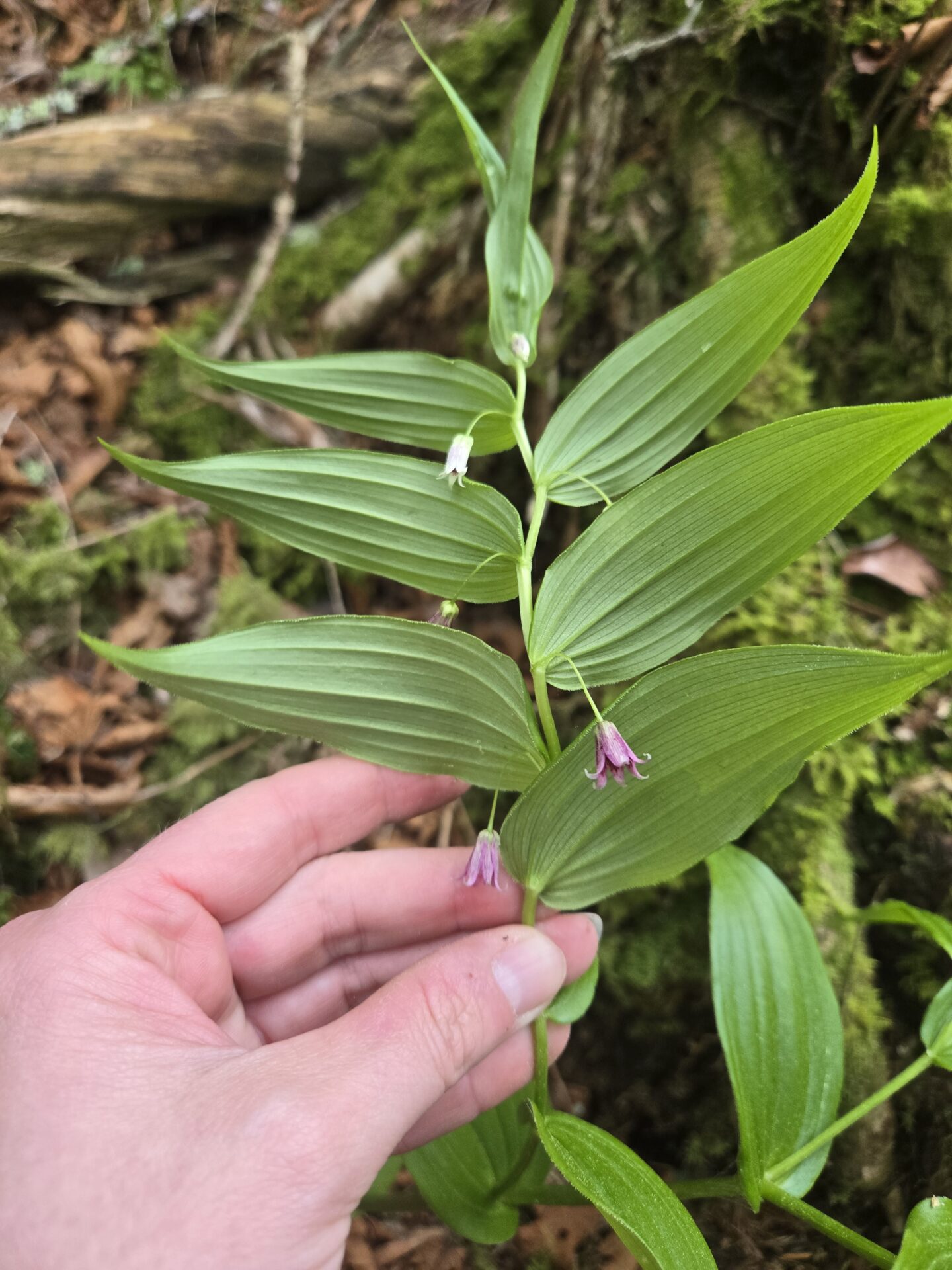
As we add more signage to the garden, we hope to get every guest talking about mountain plants like Eastern Serviceberry (Amelanchier canadensis), Hobblebush (Viburnum lantanoides), Blue Cohosh (Caulophyllum thalictroides), and mountain-mints (Pycnanthemum sp.).

In 2026, the garden will be expanding to include a 

  • Rock garden
  • Woodland path 
  • Sensory garden
  • Pollinator garden
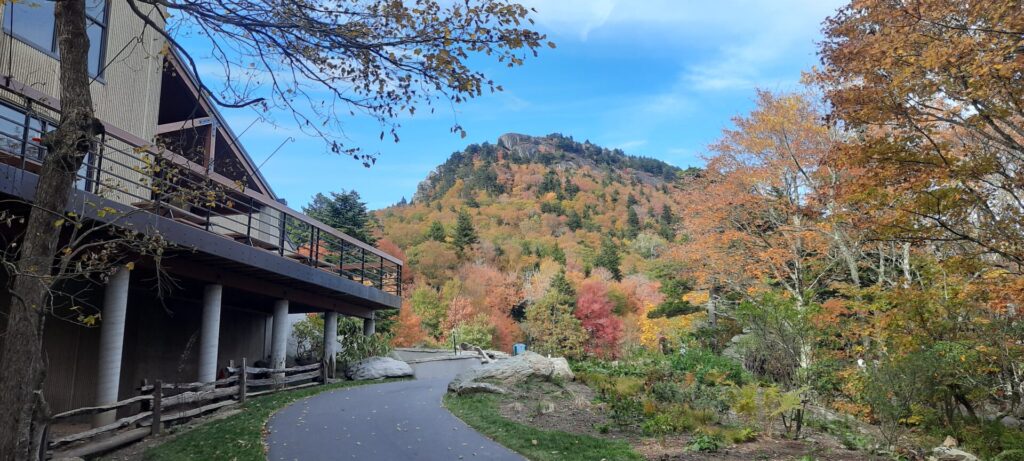
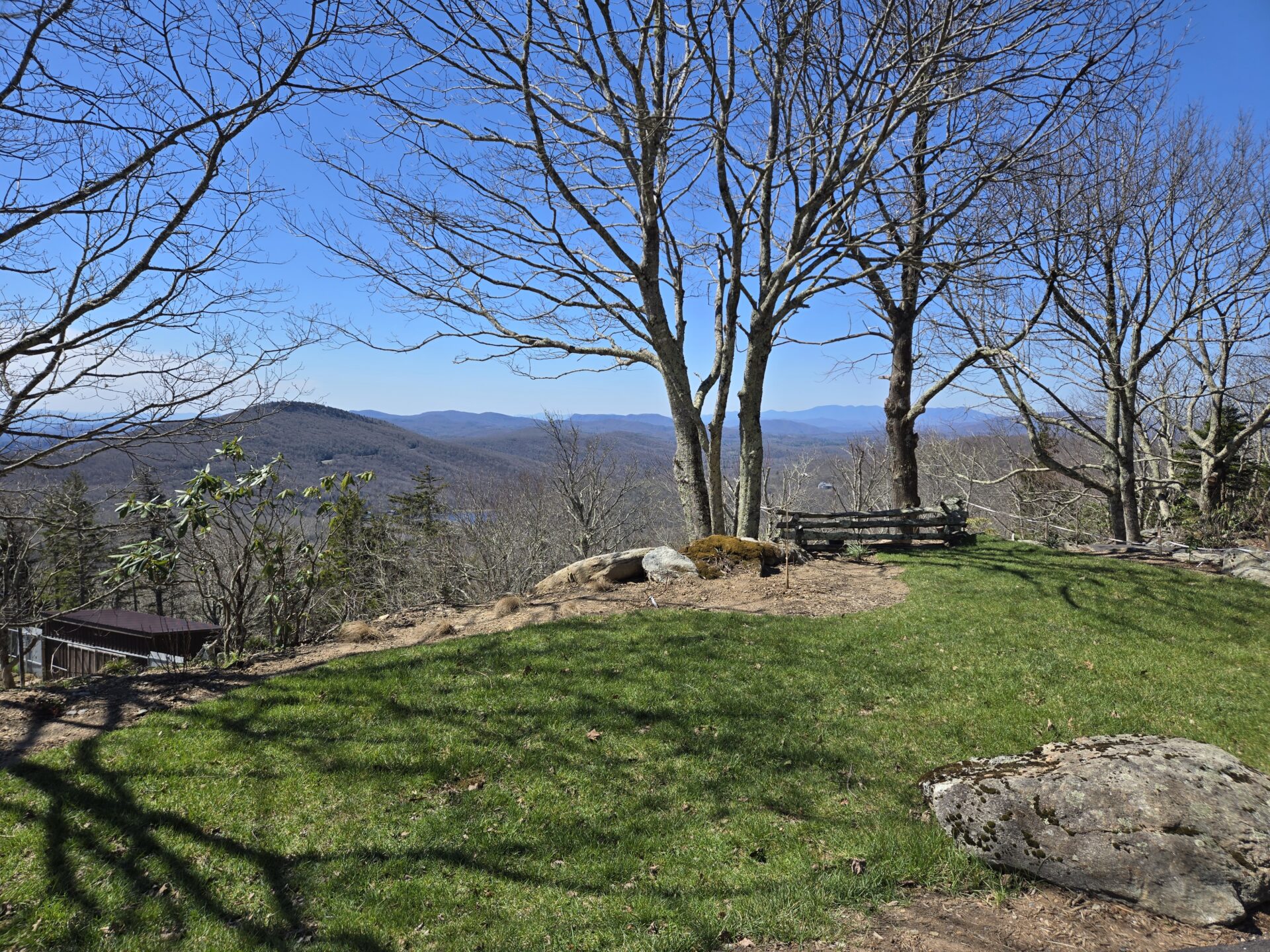
Looking up to the top from the botanical garden.
The pollinator garden will be outside the new hands-on science center, Yonni’s Clubhouse, opening this spring.
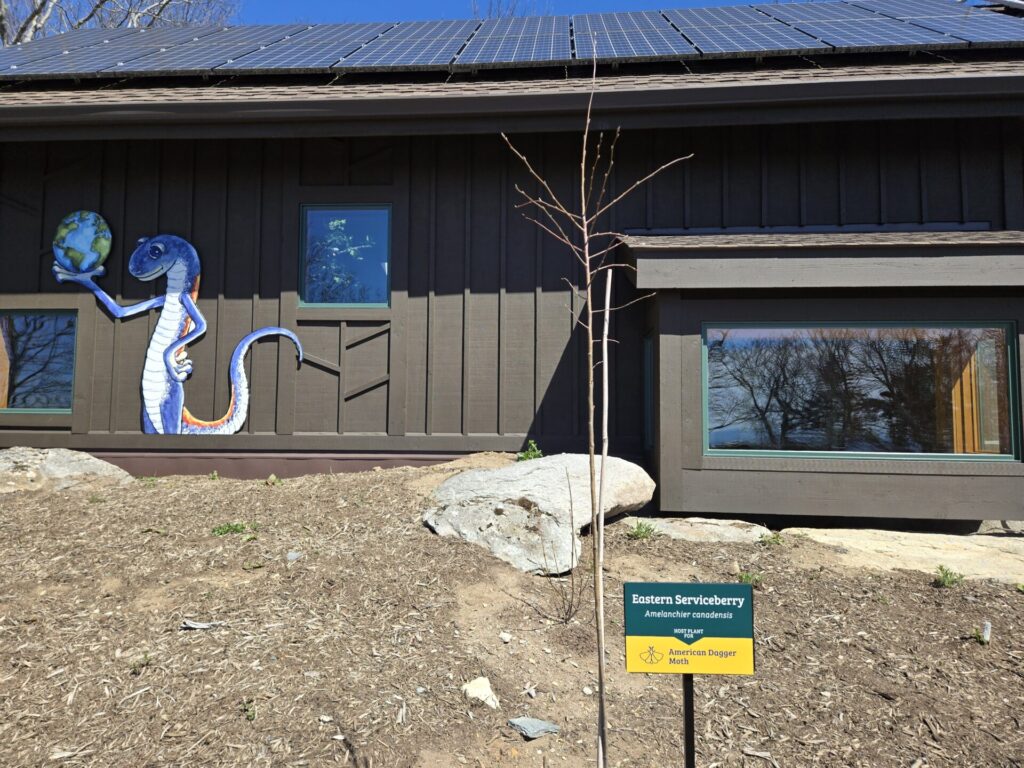
Yonni’s Clubhouse.
Yonni’s Clubhouse with new pollinator garden sign.

The clubhouse will also feature pollinator exhibits and an extensive pollinator mural inside to help connect young people to our garden and its goals.

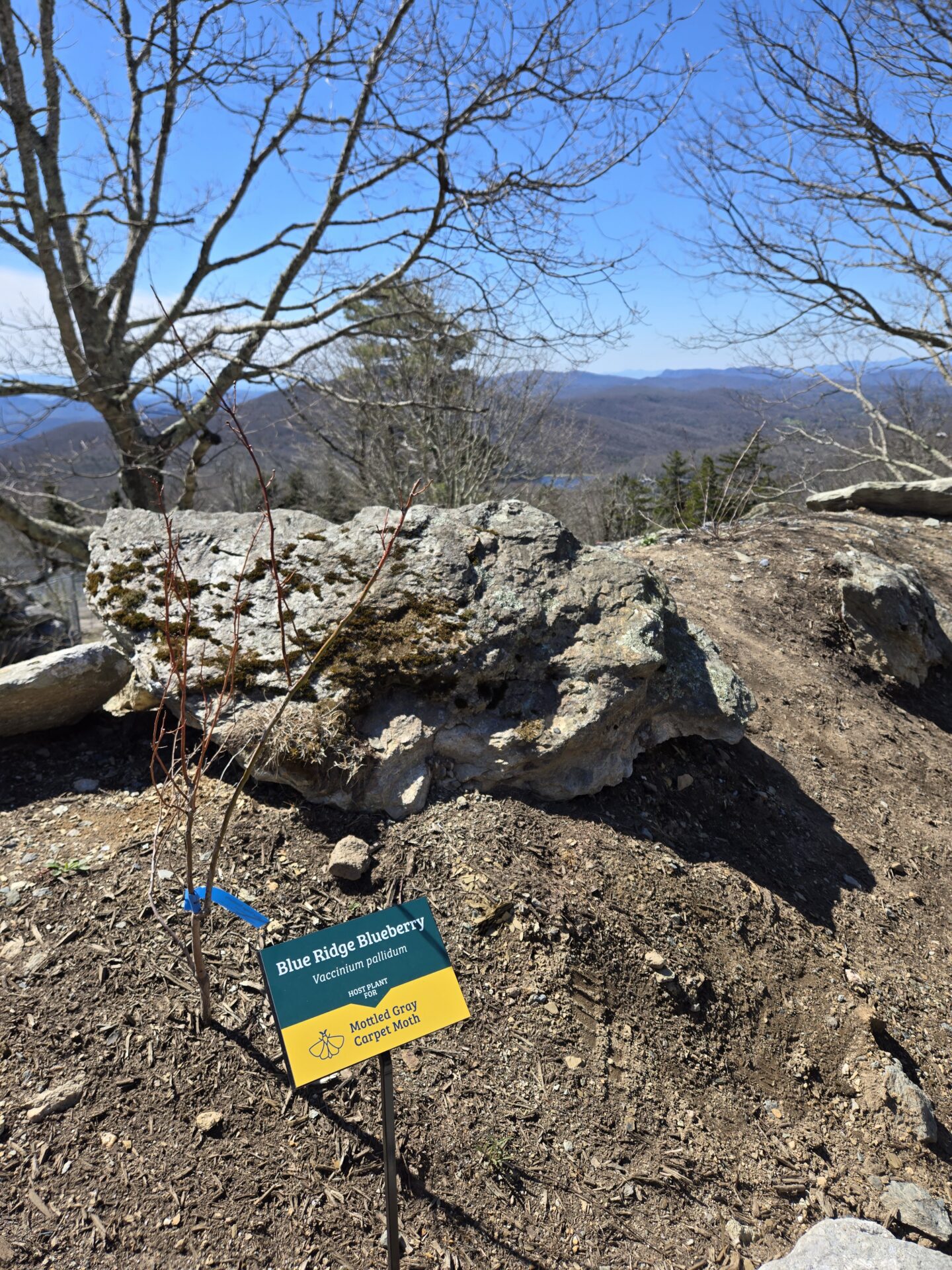
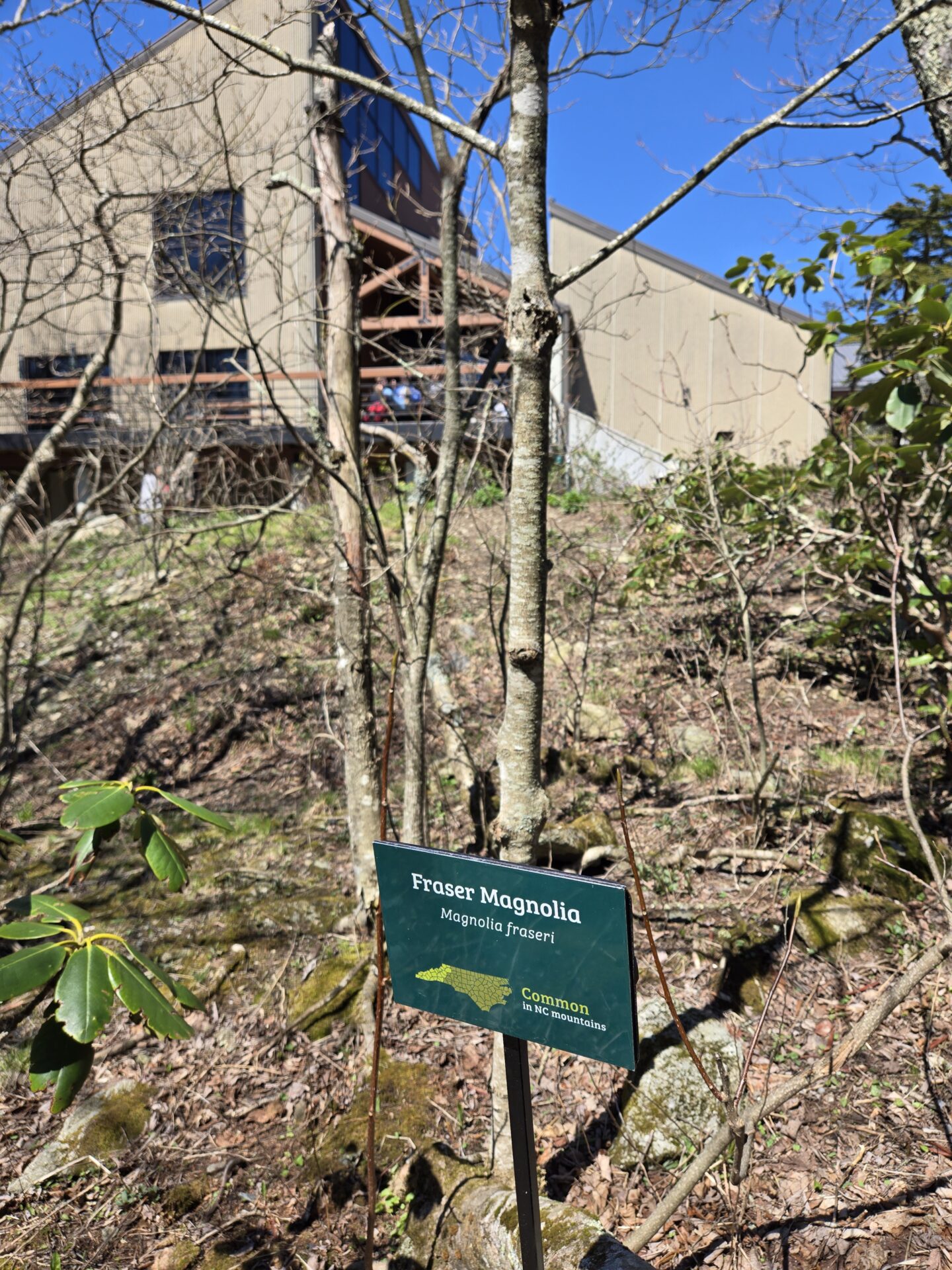
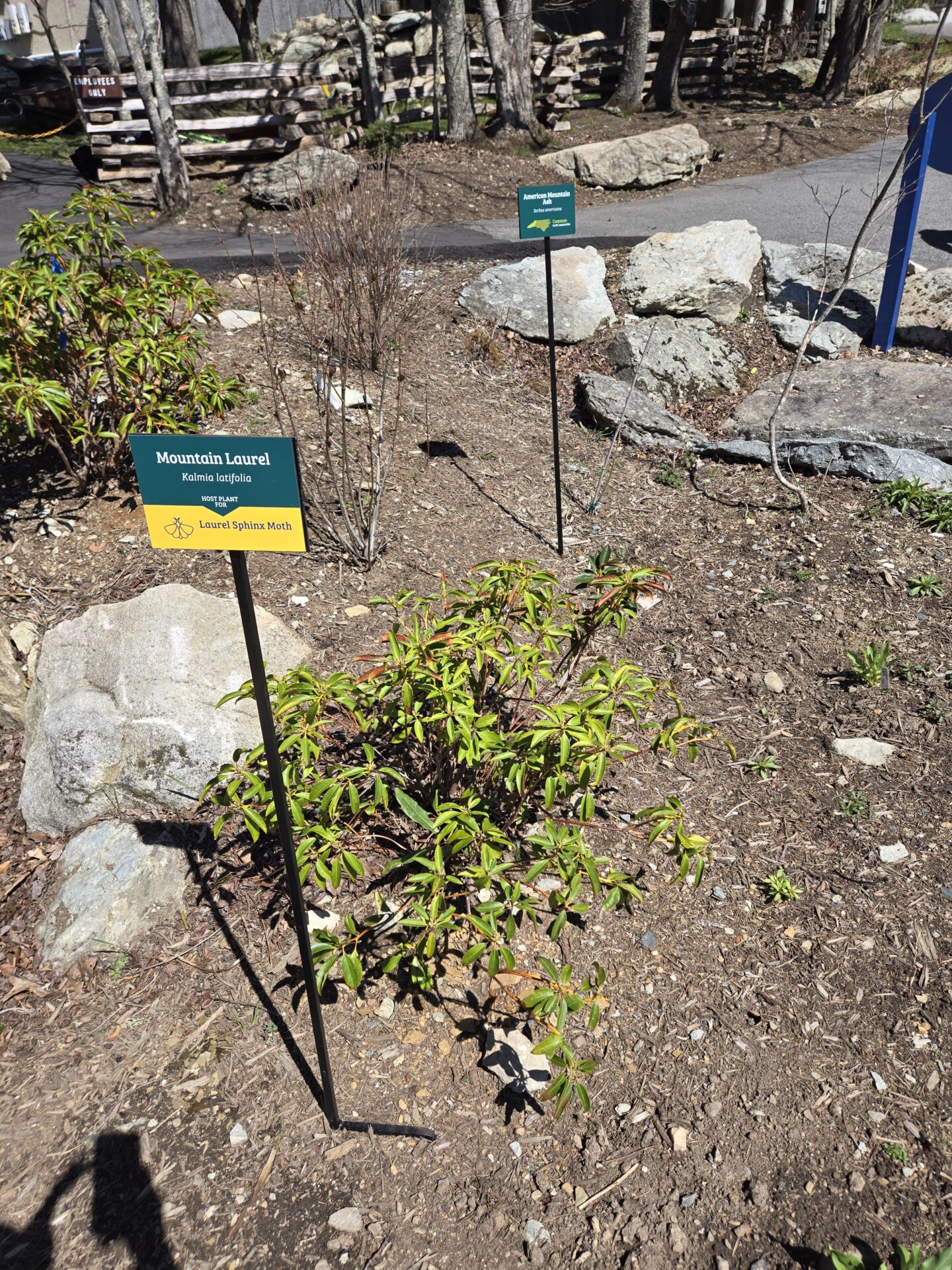
Each garden space will have signage highlighting the native plants and the animal species that they interact with–particularly focusing on the insects that we hope to support.

Our garden signs will highlight specific, documented interactions of pollination, seed dispersal, and reproduction. A majority of the signs will focus on butterflies and moths, with a few including information about bees, flies, and beetles. 

This garden is an opportunity to conserve and promote our cherished mountain biodiversity. We are using local ecotypes as often as possible–including propagating wild seeds collected from the mountain itself. Because the mountain is home to a variety of rare and unusual species, we hope to propagate some of these plants in the future and include them in the garden. 

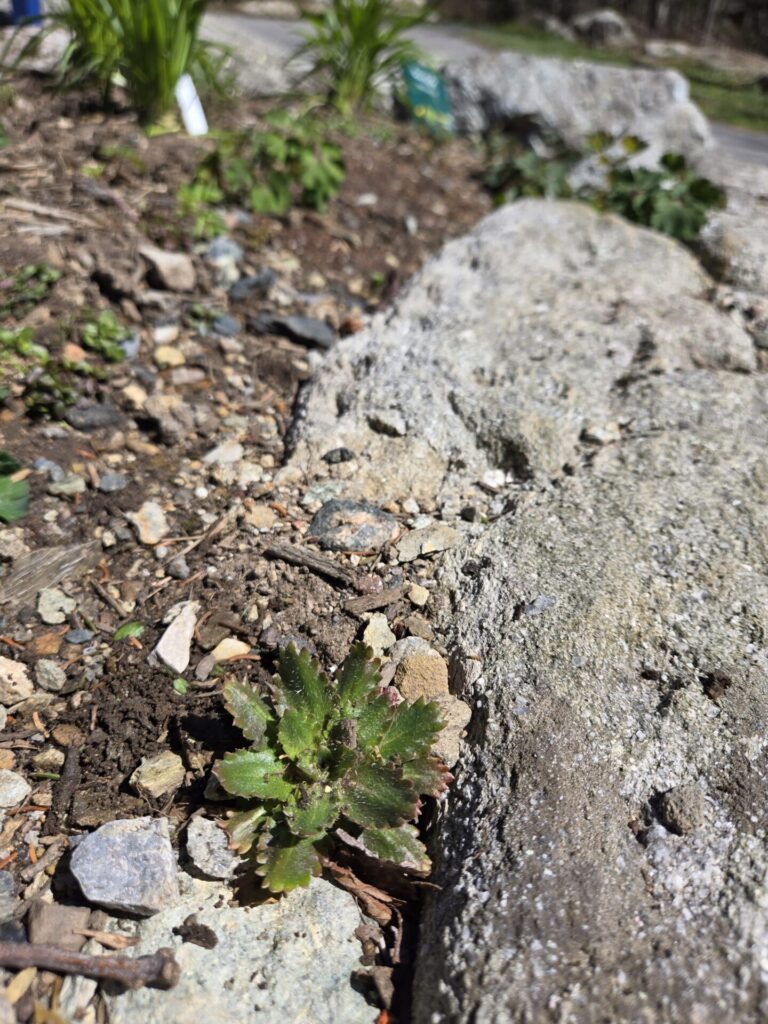
Many of the high-elevation plants like Cliff Saxifrage (Micranthes petiolaris) and Silverling (Paronychia argyrocoma) cannot be seen without some rock-hopping, and we aspire to make them available for all visitors to the mountain.

Saxifrage (Micranthes petiolaris).

We plan to, as in all of our operations, operate the garden as sustainably as possible: 

  • Limit chemical use 
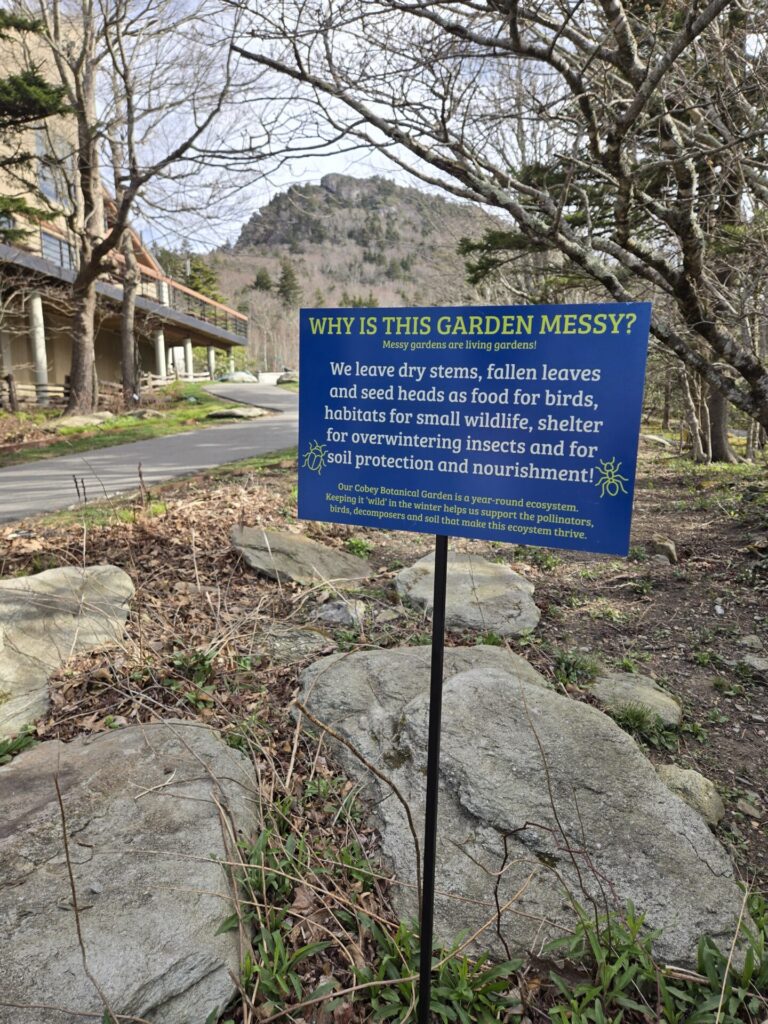
  • Leave the leaves and save the stems
  • Propagate as much as possible on site
  • Promote leaving dead wood and non-hazardous snags as habitat
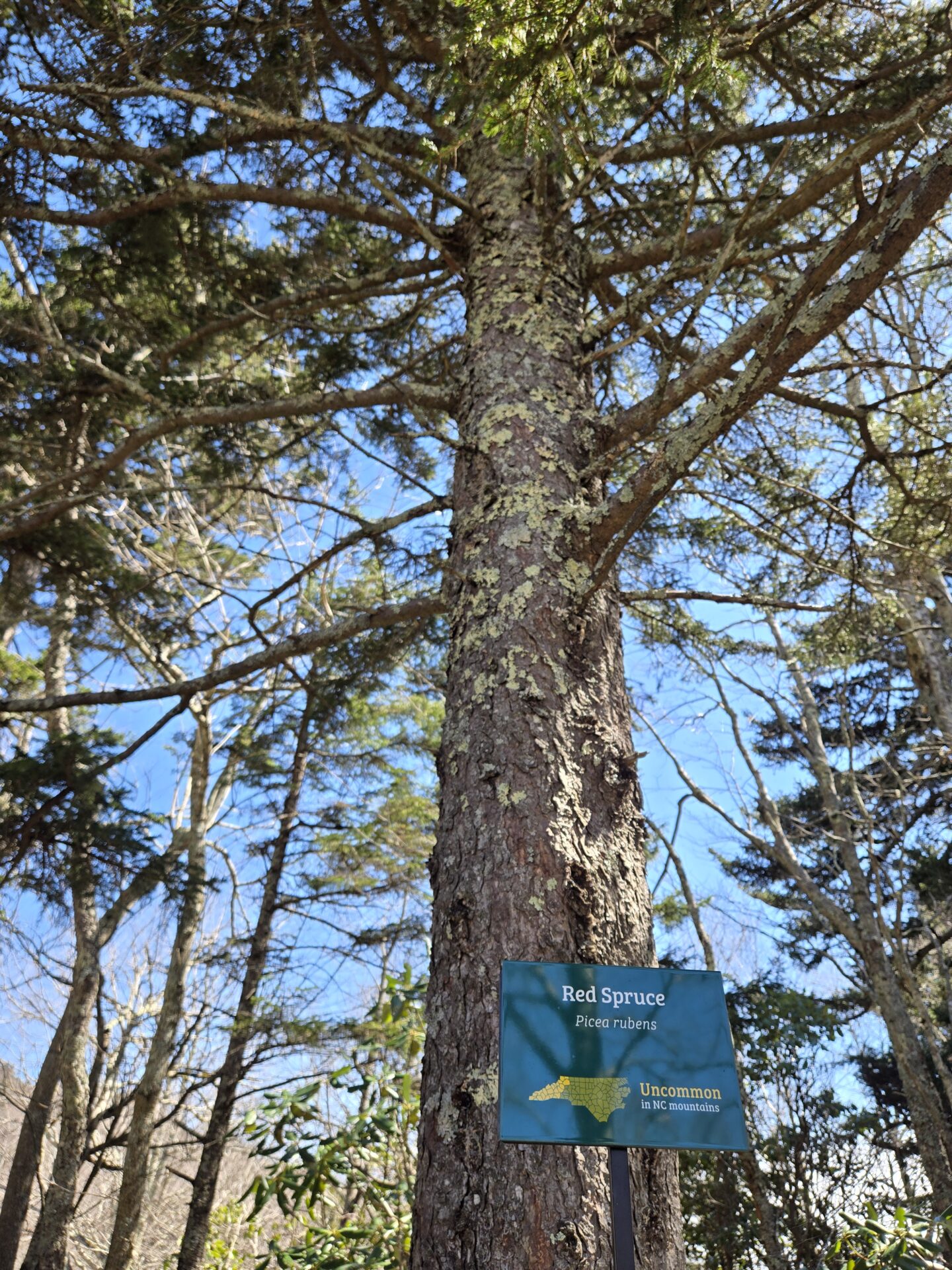
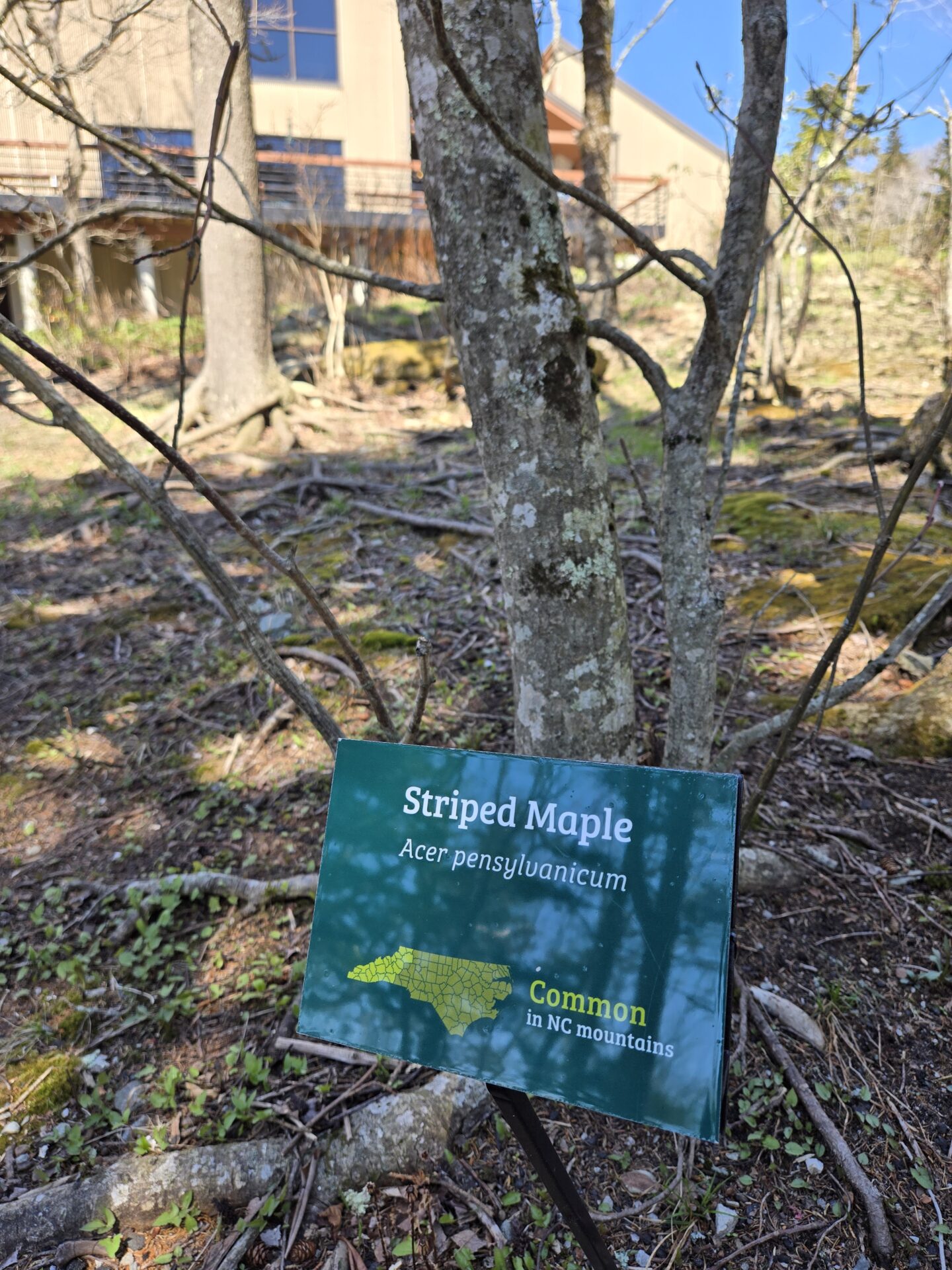
The sign says it all.

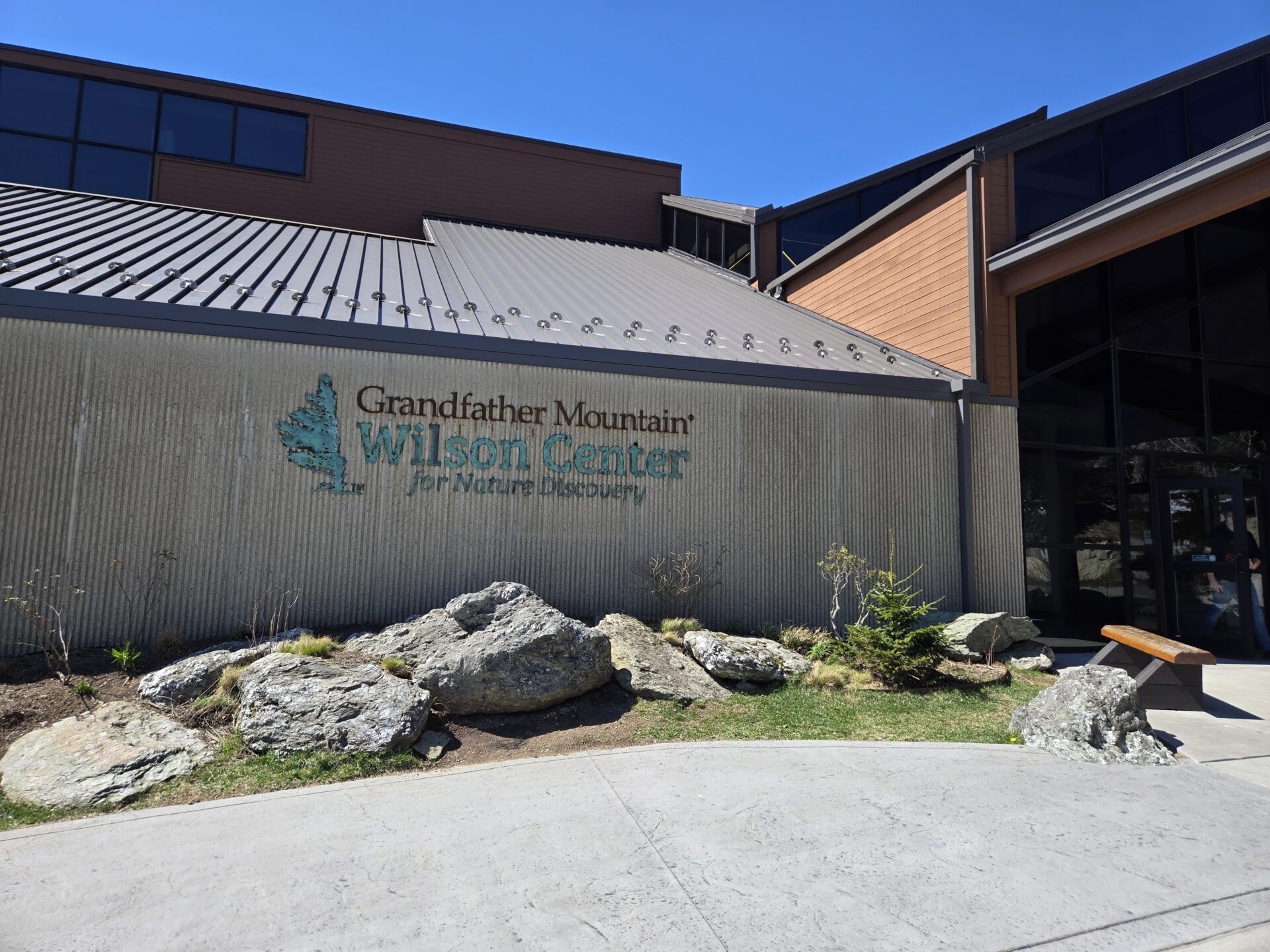
The gardens can be found outside the Wilson Center for Nature Discovery about halfway up the mountain, adjacent to the Wildlife Habitats and Yonni’s Clubhouse (which was previously the Fudge Shop).

We hope this garden will inspire people to see their own yards as opportunities for conservation and stewardship. The garden is still developing, and we hope as it grows into itself that it can be a source of inspiration, exploration, and wonder.

Elizabeth Trott is the Botanical Garden and Exhibit Content curator at Grandfather Mountain Stewardship Foundation in Avery County, NC. She attended Alamance Community College in the horticultural technology program and worked as an International Society of Arboriculture certified arborist in the Piedmont for a decade before moving to the High Country. Her appreciation for horticulture developed over many years working at The Unique Plant–a beloved private display garden and nursery in Chapel Hill.