Sandwiched between the high country of western North Carolina and the Piedmont to the east, the foothills region of North Carolina sits in a “Goldilocks” position environmentally as well as demographically and culturally – not too much, not too little, just right.
This region experiences warmer temperatures, less precipitation (especially in the form of snow), fewer gusty winds, longer spring and fall seasons, and more sunshine on average than its mountainous neighbor to the west. In contrast, this region is a bit cooler and receives a bit more precipitation than the Piedmont to the east . As a result, the foothills function as an ecotone, supporting a mix of flora and fauna from the ecoregions around them.
Established in February 2026, we are working hard to get our meetings and events up and running. To keep up with what exciting things we are planning, you can follow us on Instagram (@ncnativeplantsfoothills) or on Facebook (North Carolina Native Plant Society – Foothills Chapter).
Chapter Events
September 2026
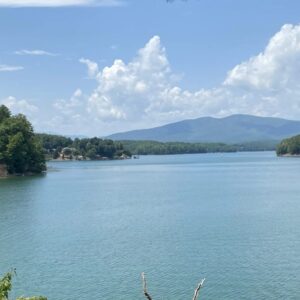
Event: BioBlitz at Lake James State Park to Celebrate the 75th Anniversary of the NC Native Plant Society When: Saturday, September 19, 2026 Time: 9:00 AM–1:00 PM Location: Lake James State Park REGISTER HERE Specific meeting location and directions will be provided to registered participants. Join the NC Native Plant Society – Foothills Chapter for […]
October 2026
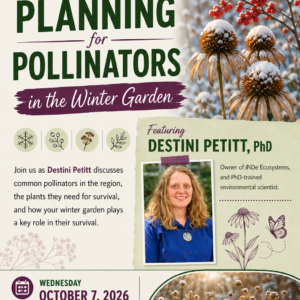
Join us as Dr. Destini Petitt discusses common pollinators in the region, the plants they need for survival, and how your winter garden plays a key role in their survival. All are welcome! Free and open to the public.
No event found!
None at this time.
Foothills Counties
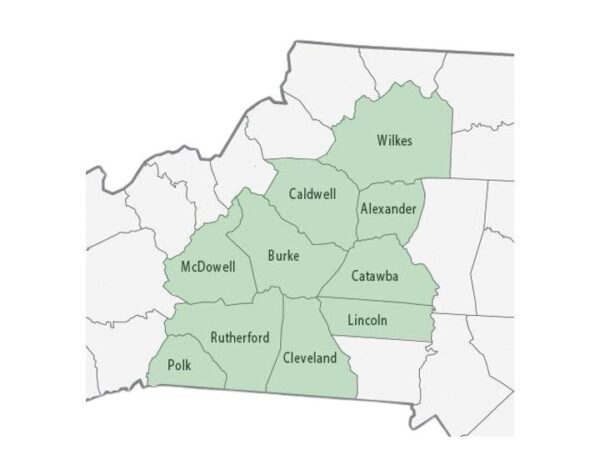
We are headquartered in Morganton, but serve the entire foothills region – Alexander, Burke, Caldwell, Catawba, Lincoln, Cleveland, Rutherford, Polk, McDowell, and Wilkes counties. With all the geography to cover, we need to hear from you! What are some of the native plant related activities that you would like to see?
Contact Us