Assessing the Effect of Urbanization on Biodiversity in the North Carolina Piedmont

Join us on March 4th, 6:30pm at the Kathleen Clay Edwards Library for a dual presentation from Dr. A. Daniel Greene and Dr. Dane Kuppinger of High Point University.
Dr. A. Daniel Greene
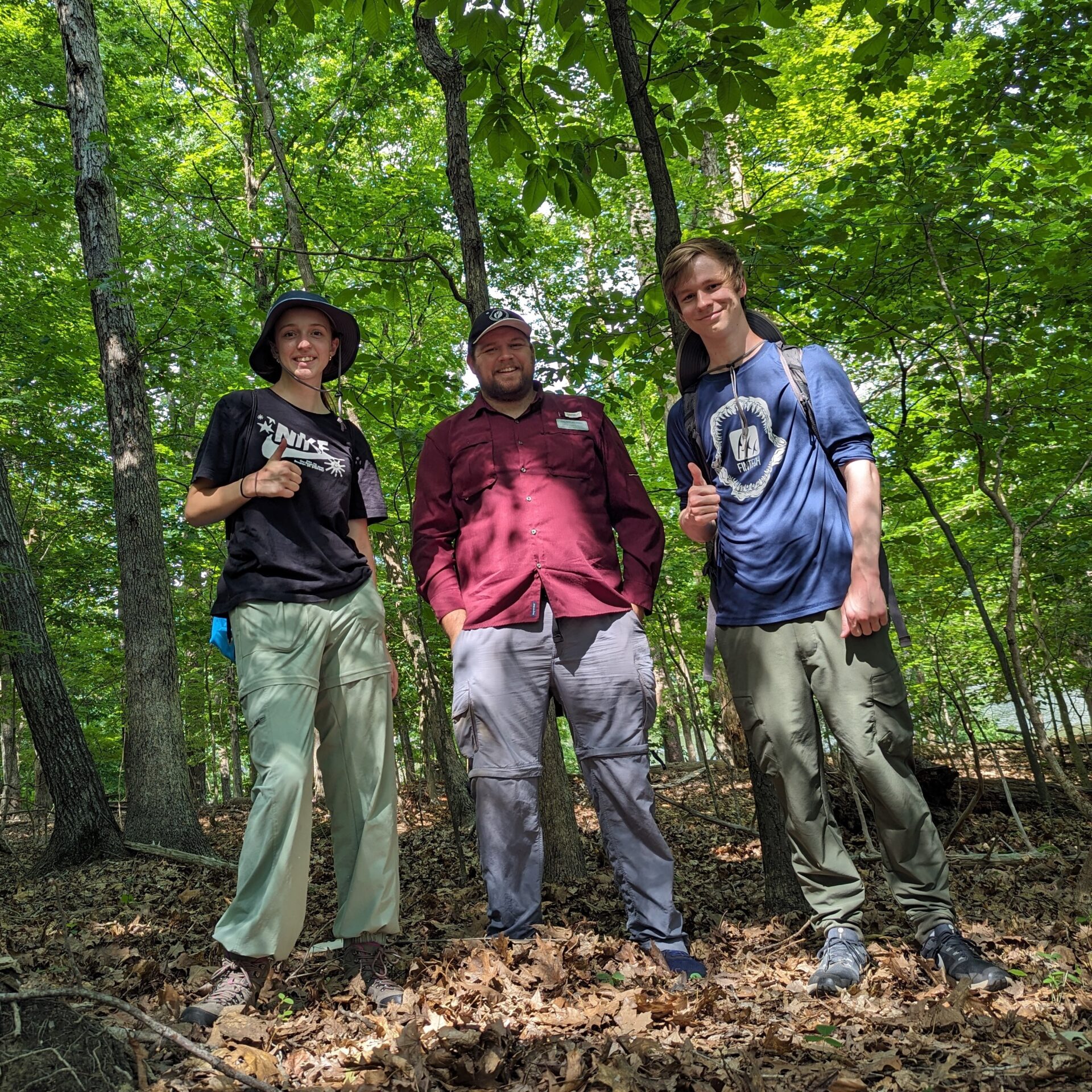
In my research lab, we study the effects of urbanization on arthropod communities. We measure how arthropod community patterns change across managed and natural landscapes alongside environmental (e.g., climatic and landscape) gradients. We ask questions such as: Are all arthropod groups affected in the same way by urbanization? Can we identify specific variables associated with differences in arthropods, and if so, can we use this understanding to protect biodiversity by making changes to land use in urban areas? Attendees will learn how various arthropods provide ecosystem services in the habitats surrounding our homes, gardens, and commercial and recreational areas, as well as how those arthropod communities and associated ecosystem services may be altered due to human-mediated habitat modifications.
Dr. Dane Kuppinger:
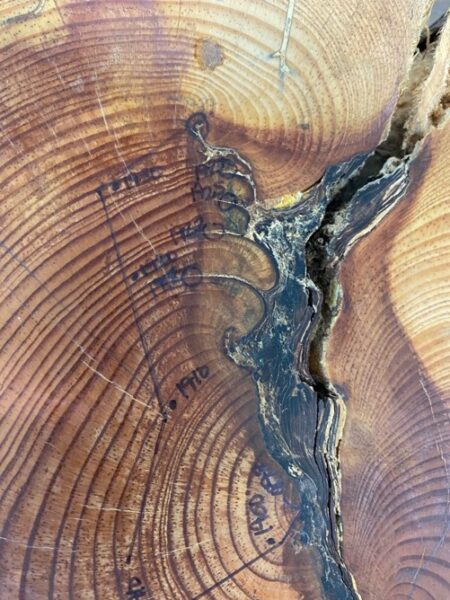
Fire is essential to maintain the forest communities found on the rocky outcrops and ridges of Pilot Mtn and Hanging Rick State Parks. Fire frequency and intensity in these forests has also been shaped, often unwittingly, by human actions from fire suppression to forestry and agriculture. For most of the last 200 years, the occurrence of fire have been poorly documented leaving land managers with a limited understanding of their parks’ fire history. As they increasingly turn to prescribed fire to maintain the forests under their care and limit uncontrolled wildfires, understanding this history is a crucial guide to policy decisions. My research has begun to recreate this history and identify how it can be used to maintain and improve the health of these forest ecosystems.
About the Speakers:
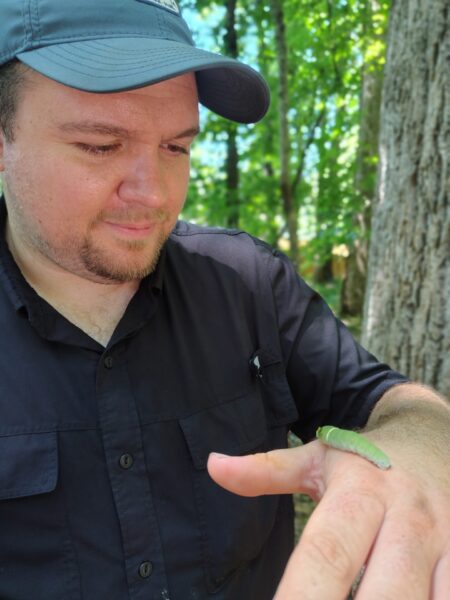
Daniel Greene is a wildlife and insect ecologist originally from east Tennessee. After completing graduate degrees at UNCG and Clemson University and a postdoctoral appointment with the University of Florida, Daniel began his current role as an assistant professor of biology and the director environmental studies at High Point University in 2023. Daniel has worked with small mammals, amphibians, aquatic and agricultural insects, and arthropod vectors of diseases like ticks and mosquitoes. Daniel loves to bring students outdoors for hiking and camping trips alongside other biology faculty at HPU to help instill the same wonder and awe of the natural world that has filled so many of us throughout human history. Teaching others about the diversity of all life forms here in the Southern Appalachians is a true passion for Daniel and he hopes to continue to learn more about the wonderful world around us in the process.
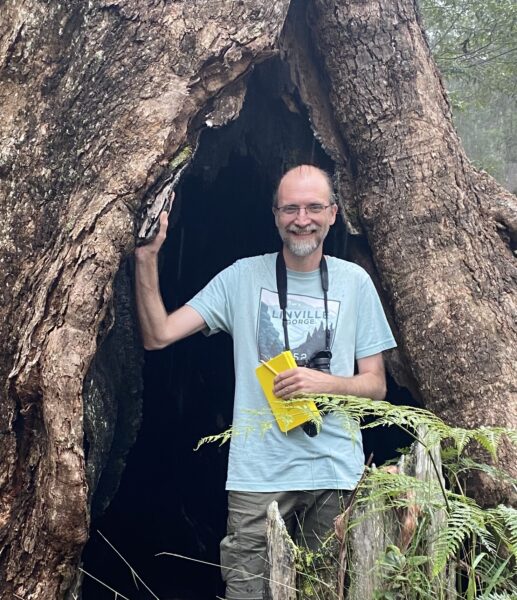
I am a plant community ecologist and I study the effects of disturbances, particularly fire, on forest dynamics. I have been teaching at High Point University for the last 5 years and before that taught at Salem College for 11 years. Outside of my research I teach Ecology, Botany, Intro. to GIS, a travel course to Australia, Senior seminar, and Intro. to Environmental Studies. I love taking students into the field to teach them how to identify plants and understand the dynamics of forest ecosystems.