2024 NCNPS Annual Meeting-Plant Sale and Auction-Picnic
June 8, 2024
Hosted at Pfeiffer University in Misenheimer, NC
Registration Opens May 1, 2024
More Information
Our mission is to promote the enjoyment and conservation of North Carolina’s native plants and their habitats through education, protection, cultivation, and advocacy.
Featherbells (Stenanthium gramineum var. robustum) on the Parkway. Photo by Will Stuart.
Why native plants?
How can I make a difference?
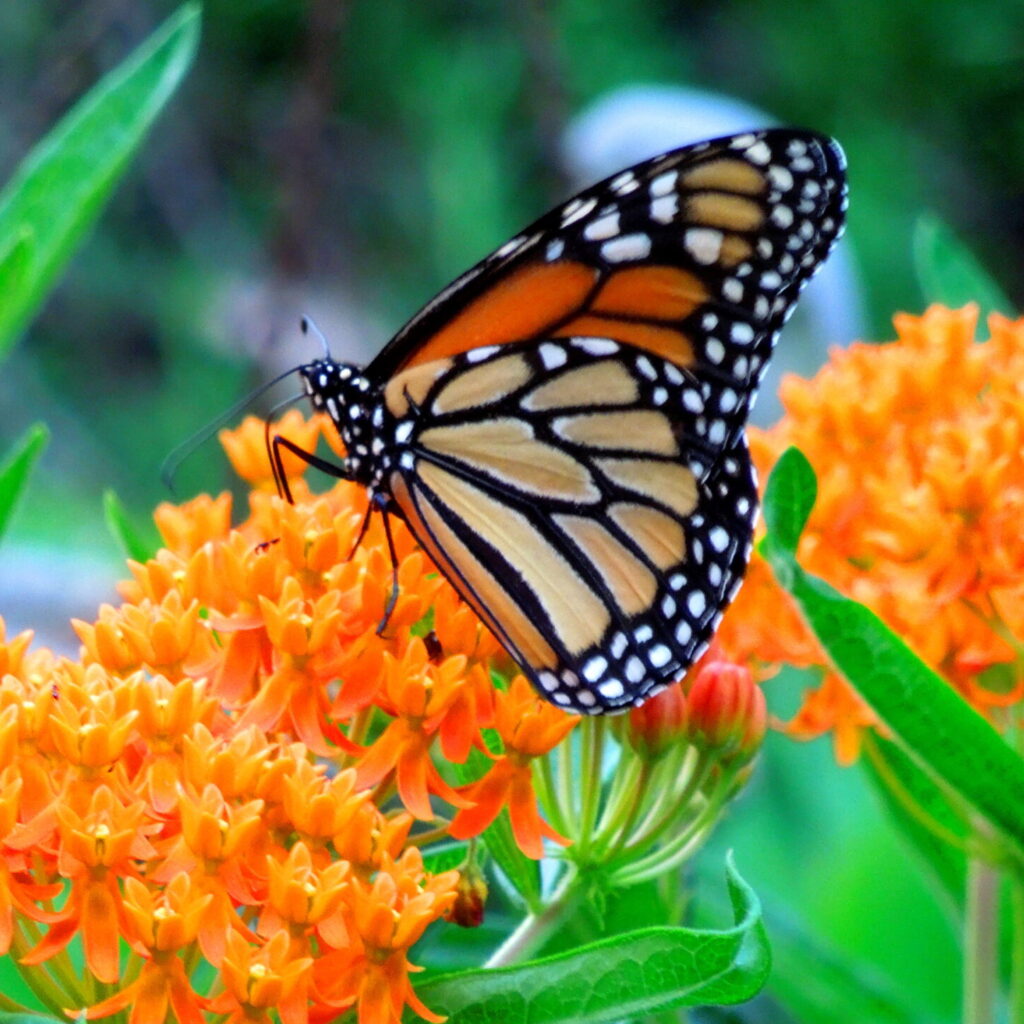
Garden with native plants
Native plants are the cornerstone for North Carolina’s biological diversity. Choosing native plants for your garden is the best way to provide food and shelter for our native animals and insects.
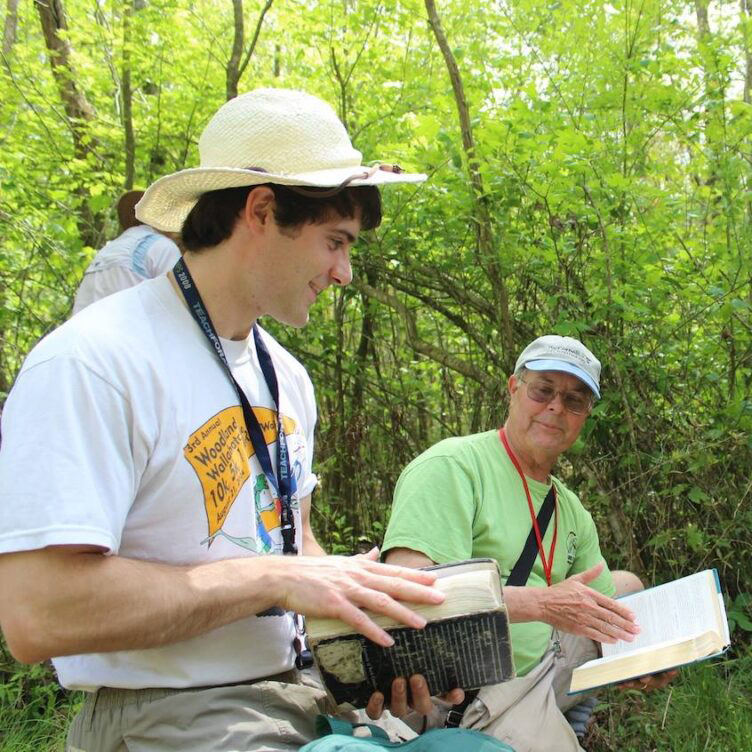
Identify native & non-native plants
Identifying both native & non-native plants is the first step to moving in the right direction. We’ve got a myriad of ways to search plants with detailed photos and helpful search tools.
Apply for grants & scholarships
To preserve and protect native plants in North Carolina, we offer four funding sources that support projects to achieve our mission. Click through for more details below.
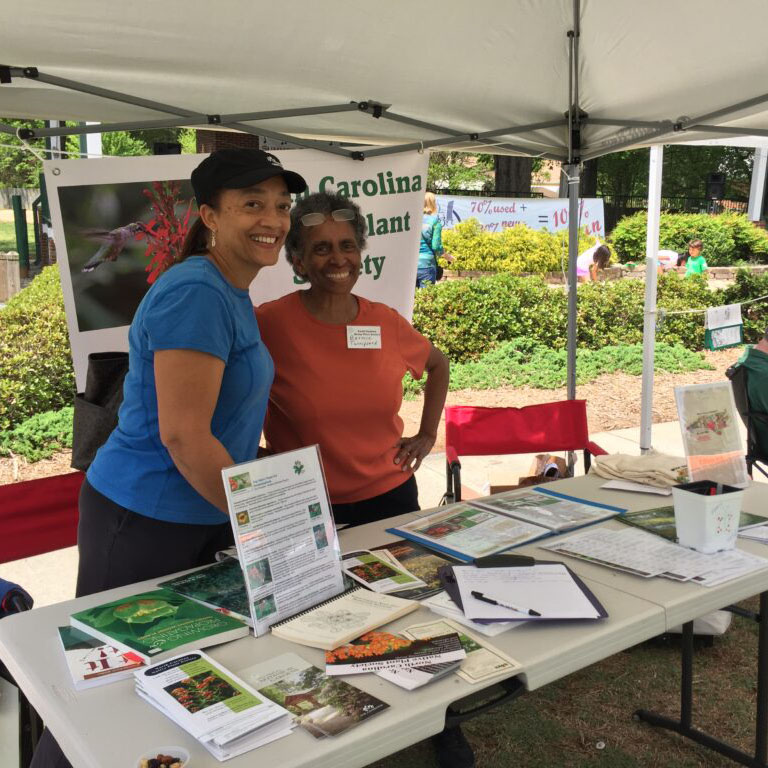
Native plant education
To know native plants is to want to protect them. That’s why education is a central part of our mission. We support a wide range of activities and resources that foster new generations of native plant enthusiasts.
Follow our chapters on Facebook
Also find us on YouTube!
Scroll Up
Solar WordPress Theme By ThemesEye
Powered By WordPress